Is Scar Removal the Fix for Stubborn Old Scars? What You Should Know
78 Views
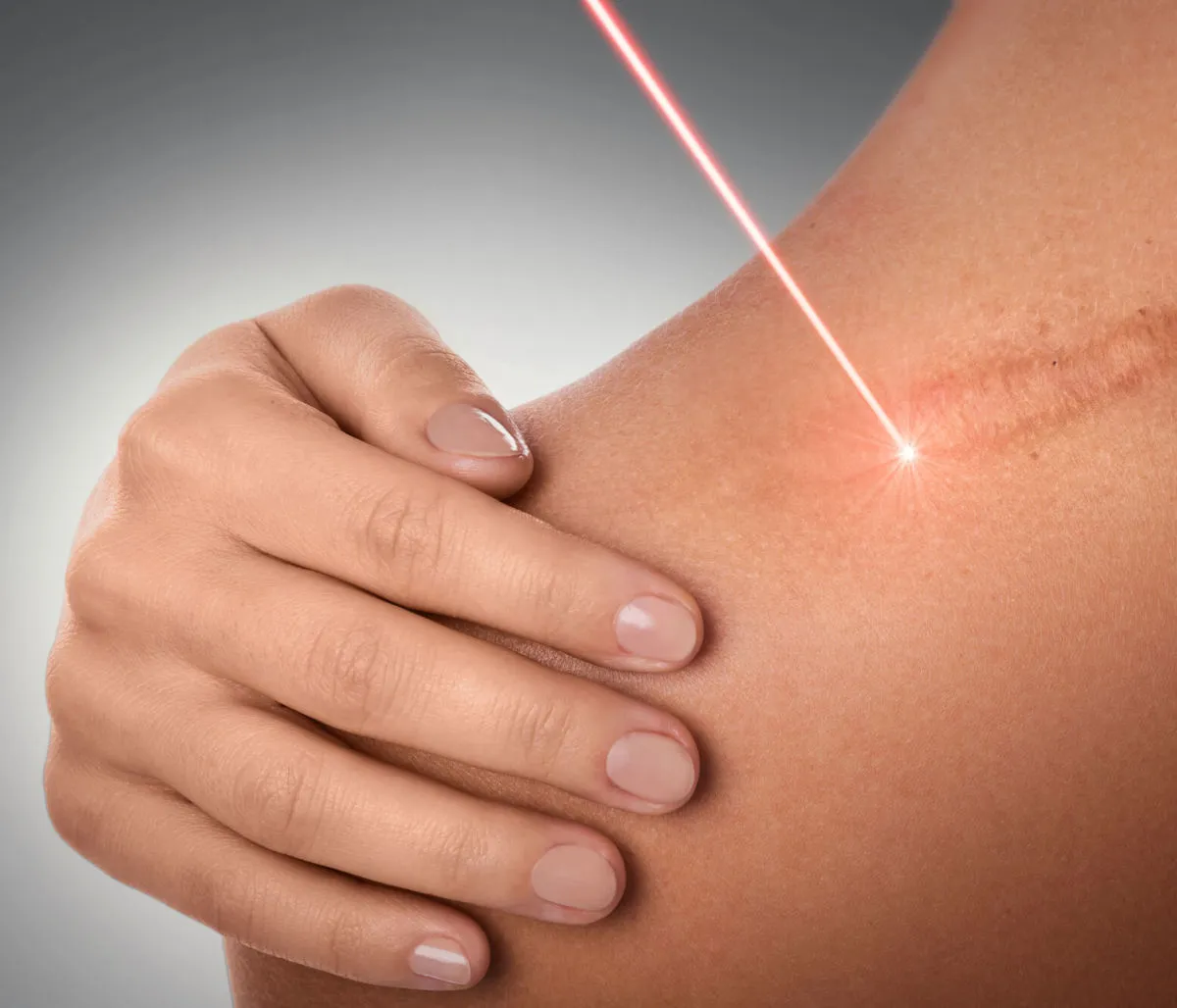
Old scars can feel like permanent reminders of an injury, surgery, acne, or skin condition. While some scars naturally become less noticeable over time, others remain visible for years and may affect how smooth or even your skin looks. Scar Removal in Dubai has become an option for people who want to reduce the appearance of stubborn scars, but the right approach depends heavily on the scar’s type, depth, location, and your skin characteristics.
The important thing to understand is that scar treatment does not usually mean completely erasing scar tissue. Instead, modern dermatological procedures aim to make scars flatter, smoother, softer, or closer in color to the surrounding skin. With the right diagnosis and realistic expectations, even an old scar may become significantly less noticeable.
Why Are Old Scars So Difficult to Treat?
A scar forms when the skin repairs deeper damage. During healing, the body produces collagen and other tissue to rebuild the injured area. Depending on how the injury heals, the resulting scar may be flat, raised, depressed, darker, lighter, or noticeably different in texture from the surrounding skin.
As a scar matures, it can become more stable and may not respond to simple skincare alone. Some scars also involve structural changes beneath the skin, meaning that applying creams cannot necessarily correct the uneven surface.
For example, depressed acne scars may create indentations, while hypertrophic scars and keloids involve excess scar tissue. Because these scar types develop differently, a procedure that works for one may not be appropriate for another.
This is why a professional assessment is an important first step before choosing any scar reduction treatment.
Can Scar Removal in Dubai Improve Long-Standing Scars?
Yes, treatment can improve the appearance of many long-standing scars, although the outcome varies from person to person. The American Academy of Dermatology notes that treatments can make scars less noticeable, while some scars—particularly keloids and depressed acne scars—may not fade significantly on their own.
The age of a scar does not automatically mean it cannot be treated. Instead, the treatment plan depends on factors such as:
- Whether the scar is raised, depressed, flat, or uneven
- Its color compared with the surrounding skin
- The depth and texture of the scar
- Its location and size
- Your skin type and tendency to develop pigmentation
- Whether the scar causes itching, discomfort, tightness, or restricted movement
- Previous treatments and how your skin responded
Consequently, Scar Removal in Dubai is best viewed as a personalized process rather than a single procedure designed to eliminate every type of scar.
Which Scar Removal Treatments May Help?
Different procedures target different characteristics of scars. A dermatologist may recommend one technique or combine several approaches depending on what needs to be improved.
Laser Treatment for Scar Texture and Color
Laser treatment can be used for several types of scars. Depending on the laser, treatment may help reduce redness, improve texture, soften raised scars, or make certain depressed acne scars less noticeable.
However, laser treatment should not be described as a way to completely erase a scar. The American Academy of Dermatology explains that laser treatment can make a scar less noticeable but cannot simply make the scar disappear.
Several sessions may also be recommended, and improvements can take time to develop as the skin heals and remodels.
Microneedling for Depressed Scars
Microneedling is another option commonly used for acne scars and scars caused by injuries or surgery. The procedure creates controlled microscopic punctures in the skin, stimulating the body's natural collagen-production process. As new collagen develops, uneven texture may gradually become less noticeable.
The American Academy of Dermatology notes that microneedling can be used across different skin tones and may sometimes be combined with radiofrequency or platelet-rich plasma to enhance treatment results.
Because collagen remodeling takes time, the final improvement is generally gradual rather than immediate.
Steroid Injections for Raised Scars
Raised scars and keloids require a different strategy because the problem involves excess scar tissue rather than a depression in the skin. Dermatologists may use corticosteroid injections to reduce the size of certain raised scars and relieve symptoms such as itching or discomfort.
Several sessions may be necessary, and treatment needs to be carefully controlled because possible side effects include skin thinning and changes in pigmentation.
For difficult keloids, doctors may combine injections with laser therapy, cryotherapy, surgery, or other treatments. Mayo Clinic also notes that keloids can require repeated treatment and may return after treatment.
Why the Right Diagnosis Matters Before Scar Treatment
One of the biggest mistakes people make is choosing a procedure based only on how a scar looks. Two scars may appear similar but have completely different structures and therefore require different treatment strategies.
For instance, depressed acne scars are often approached with techniques designed to stimulate collagen or improve the skin's surface. Raised scars, on the other hand, may require treatments aimed at reducing excess scar tissue.
A dermatologist can evaluate the scar and determine whether it is suitable for laser treatment, microneedling, injections, surgery, or a combination approach. The American Academy of Dermatology specifically recommends professional assessment before scar treatment because scar type, age, health factors, and skin characteristics can all influence the appropriate treatment.
A consultation can also help establish realistic expectations. The goal may be smoother texture, reduced discoloration, a flatter appearance, or an overall reduction in visibility rather than complete removal.
What Can You Expect From a Scar Removal Treatment Plan?
A professional treatment plan usually begins with an examination rather than immediately performing a procedure. Your provider may ask about how the scar developed, how long you have had it, previous treatments, healing patterns, and your desired outcome.
The treatment itself may involve a single technique or several procedures performed over time. For example, acne scarring may sometimes be addressed with microneedling, laser resurfacing, radiofrequency-based procedures, or other methods depending on the type of scars present.
It is also important to understand that improvement is often gradual. With procedures that stimulate collagen, the skin needs time to produce and remodel collagen before the full effect becomes visible. The AAD notes that microneedling results can develop over several weeks, with fuller results appearing over several months.
Aftercare is equally important. Sun protection, following post-treatment instructions, and avoiding unnecessary irritation can help support the healing process. Sun exposure can also make pigmentation differences more noticeable, so protecting treated skin is particularly important.
Is Scar Removal Worth Considering for Stubborn Old Scars?
For people who have lived with a noticeable scar for years, professional treatment may be worth considering when the scar continues to affect their appearance, confidence, comfort, or skin texture.
However, the decision should be based on the characteristics of the scar rather than its age alone. An old scar is not necessarily untreatable, but there is also no universal procedure that works equally well for every scar.
A useful way to think about scar removal treatment in Dubai is as a process of improvement. Depending on the scar, treatment may aim to:
- Smooth uneven or rough texture
- Reduce the visibility of depressed scars
- Flatten certain raised scars
- Minimize redness or discoloration
- Encourage healthier-looking collagen remodeling
- Improve the overall uniformity of the skin
Laser procedures, microneedling, injections, and other dermatological techniques each have specific uses and limitations.
If you are considering treatment, a qualified dermatologist can determine whether your scar is suitable for a procedure and explain what level of improvement may realistically be achieved.
Conclusion
Stubborn old scars can be challenging, but their age does not automatically rule out improvement. Modern dermatology offers several approaches that can make suitable scars less noticeable by addressing texture, color, depth, or excess scar tissue. The key is identifying the scar type first and selecting a treatment that matches its specific characteristics.
If an old scar has remained unchanged for years and continues to bother you, a professional consultation can help you understand your options. Rather than expecting complete erasure, focus on realistic improvement and a treatment plan designed around your skin. A personalized Scar Removal Treatment may help restore a smoother, more even-looking appearance when performed appropriately and with realistic expectations.