Is PRP Treatment Right for Your Skin Type?
48 Views
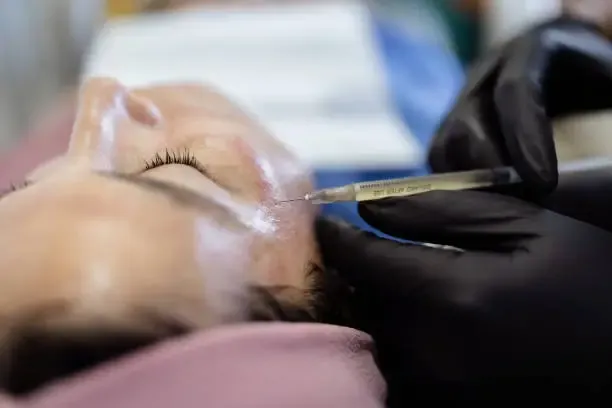
Skin can vary greatly from person to person, and a treatment that works well for one individual may not provide the same results for another. Factors such as skin texture, hydration, sensitivity, pigmentation, age, and the presence of scars can all influence the choice of aesthetic treatment. Platelet-rich plasma, commonly known as PRP, is one option that has gained attention for its ability to support natural skin renewal. For anyone considering PRP Treatment In Abu Dhabi, understanding how the treatment relates to different skin types can help set realistic expectations and support a more personalized approach.
PRP uses a concentrated portion of a person's own blood. After the blood is processed, the platelet-rich component is prepared for use in the selected treatment area. Platelets contain naturally occurring growth factors that participate in tissue repair and regeneration. When PRP is introduced into the skin, these growth factors may support the body's natural renewal processes and encourage a fresher-looking complexion.
How PRP Treatment Works for the Skin
PRP treatment begins with a small blood sample. The sample is processed to separate the platelet-rich plasma from other blood components. The resulting plasma contains a higher concentration of platelets than ordinary blood.
Once prepared, PRP can be applied or introduced into targeted areas of the skin according to the treatment approach. The goal is to encourage natural skin regeneration and support collagen production. Over time, this process may contribute to improvements in skin texture, firmness, and overall appearance.
The treatment is not designed to change the fundamental nature of a person's skin. Instead, it works with the body's natural biological processes. This makes skin characteristics an important consideration when determining whether PRP is an appropriate option.
Is PRP Suitable for Dry Skin?
Dry skin often appears dull, rough, or less supple because it lacks adequate moisture and may have a compromised surface barrier. PRP may be considered when the primary goal is to support skin renewal and improve the overall appearance of the complexion.
Although PRP is not a moisturizer and does not directly replace the skin's natural hydration, its regenerative properties may support improvements in texture and skin quality. Individuals with dry skin may therefore explore PRP when their concerns involve dullness, uneven texture, or reduced firmness.
The treatment approach should still be tailored to the individual's skin condition. The underlying reason for dryness can also influence whether PRP is an appropriate choice.
Can PRP Work for Oily Skin?
Oily skin produces more sebum than other skin types and may be associated with enlarged-looking pores, congestion, and uneven texture. PRP does not primarily target oil production, but it may be considered when the main concern is skin quality rather than excess oil itself.
For someone with oily skin who is also concerned about acne marks, uneven texture, or a tired complexion, PRP may form part of a broader skin-rejuvenation approach. The treatment focuses on supporting the skin's natural repair mechanisms rather than directly controlling sebum.
This distinction is important because choosing PRP solely to reduce oiliness may not address the underlying concern effectively. A personalized assessment can help determine whether regenerative treatment aligns with the individual's goals.
Is PRP Appropriate for Combination Skin?
Combination skin has different characteristics across different areas of the face. The T-zone may produce more oil, while the cheeks can feel normal or dry. Because of this variation, a treatment approach may need to account for multiple skin characteristics simultaneously.
PRP may be suitable for combination skin when the objective is overall rejuvenation, improved texture, or support for collagen production. Since PRP is intended to stimulate natural renewal rather than simply moisturize or remove surface oil, it can be considered for broader skin-quality concerns.
The specific areas receiving treatment can also be selected according to individual needs. This allows the approach to focus on areas where improvements are most desired.
What About Sensitive Skin?
Sensitive skin requires careful consideration because it may react more easily to cosmetic procedures and changes in skincare routines. Sensitivity itself does not automatically determine whether PRP is suitable.
Before treatment, the skin's current condition and the reason for its sensitivity should be considered. Active irritation, inflammation, or other temporary skin concerns may influence whether treatment should proceed.
For individuals with sensitive skin, the treatment plan can be adapted to their specific circumstances. Understanding the skin's current condition is more useful than relying solely on a general skin-type label.
Can PRP Help Mature Skin?
As skin matures, natural collagen production gradually changes. This can contribute to visible lines, reduced firmness, uneven texture, and a less radiant appearance. PRP is often considered for mature skin because it focuses on supporting natural regenerative processes.
The growth factors present in platelet-rich plasma may encourage cellular activity associated with tissue repair and collagen formation. With appropriate treatment planning, this may help improve the overall quality and appearance of mature skin.
PRP does not attempt to completely alter the aging process. Instead, its purpose is to support the skin's natural renewal mechanisms and promote a healthier-looking appearance.
PRP for Uneven Skin Texture
Uneven texture can develop for many reasons, including previous acne, natural aging, environmental exposure, and changes in collagen. PRP may be explored when texture improvement is one of the primary treatment goals.
By supporting collagen production and tissue regeneration, PRP may gradually contribute to smoother-looking skin. Results generally develop progressively rather than appearing immediately because the body's regenerative processes require time.
This makes realistic expectations an important part of the treatment journey. The number of sessions and treatment intervals can vary depending on individual skin characteristics and desired outcomes.
PRP and Acne Scars
Acne scars can leave visible changes in the skin's surface and texture. PRP may be used as part of a regenerative approach for certain types of acne-related scarring.
The growth factors found in PRP can support tissue repair and collagen activity. Increased collagen formation may gradually improve the appearance of certain textural irregularities.
However, not every type of acne scar responds in the same way. The depth, structure, and characteristics of the scar can influence the suitability of PRP and the expected outcome.
How Skin Type Influences PRP Treatment
Skin type is only one factor considered when determining whether PRP is appropriate. The overall condition of the skin, treatment objectives, previous procedures, existing skin concerns, and individual expectations can also influence the treatment plan.
Someone with dry skin may prioritize improved texture and radiance, while someone with mature skin may focus more on firmness and collagen support. Another person may be interested in addressing acne-related texture concerns.
Because these goals differ, PRP treatment should not follow a one-size-fits-all approach. The technique, treatment areas, and schedule can be adjusted according to individual needs.
What Results Can You Expect From PRP?
PRP results typically develop gradually as the skin responds to the regenerative process. Improvements may include a fresher appearance, smoother-looking texture, enhanced firmness, and more even-looking skin quality.
The outcome can vary considerably between individuals. Age, skin condition, lifestyle factors, treatment goals, and the body's individual response can all influence the visible results.
A realistic approach is therefore important. PRP is intended to support natural skin regeneration rather than provide an instant transformation.
Why Personalized Assessment Matters
Determining whether PRP is suitable for a particular skin type requires more than simply identifying whether the skin is oily, dry, combination, or sensitive. Two people with the same skin type can have very different concerns and treatment goals.
A professional assessment can help evaluate the current condition of the skin and identify whether PRP aligns with the desired outcome. It can also help determine which areas should be addressed and what treatment approach may be most appropriate.
For people considering PRP Treatment In Abu Dhabi, this personalized approach can make the treatment plan more relevant to their individual skin characteristics.
Conclusion
PRP can be a versatile option for people seeking to improve overall skin quality through natural regenerative processes. Its suitability is not determined by skin type alone. Dry, oily, combination, sensitive, and mature skin may each have different reasons for considering PRP, making individualized treatment planning particularly important.
For those exploring PRP Treatment In Abu Dhabi, understanding the condition of the skin and defining realistic goals are essential steps. When the treatment approach is matched to individual needs, PRP may support collagen production, skin renewal, improved texture, and a more refreshed-looking complexion over time.
Frequently Asked Questions
Is PRP suitable for all skin types?
PRP can be considered for many different skin types, but suitability depends on the individual's skin condition, concerns, and treatment objectives. A personalized assessment is important before choosing the treatment.
Can PRP be used for oily skin?
Yes, PRP may be considered for oily skin when the goal involves improving texture, acne-related marks, or overall skin quality. It is not primarily designed to control excess oil production.
Is PRP useful for dry skin?
PRP may support skin renewal and improve the appearance of texture and radiance in individuals with dry skin. However, it does not replace the role of proper hydration.
Can sensitive skin receive PRP treatment?
Sensitive skin does not automatically exclude someone from PRP treatment. The current condition of the skin should be evaluated to determine whether the treatment is appropriate.
Does PRP help improve acne scars?
PRP may support collagen production and tissue regeneration, which can help improve the appearance of certain acne scars, particularly textural concerns.
How long does it take to see PRP results?
PRP results generally develop progressively because the treatment relies on natural regenerative processes. The timing of visible improvement varies from person to person.
Can PRP improve skin texture?
Yes, PRP may support collagen activity and natural tissue renewal, potentially contributing to smoother and more refined-looking skin texture.
Is PRP suitable for mature skin?
PRP may be considered for mature skin when concerns include reduced firmness, uneven texture, fine lines, or diminished radiance. Treatment planning should be individualized according to the person's goals.