IS PRIME RAW DOG FOOD A SMART CHOICE FOR YOUR PET? WHAT TO KNOW BEFORE YOU BUY
By PRIME RAW
44 Views
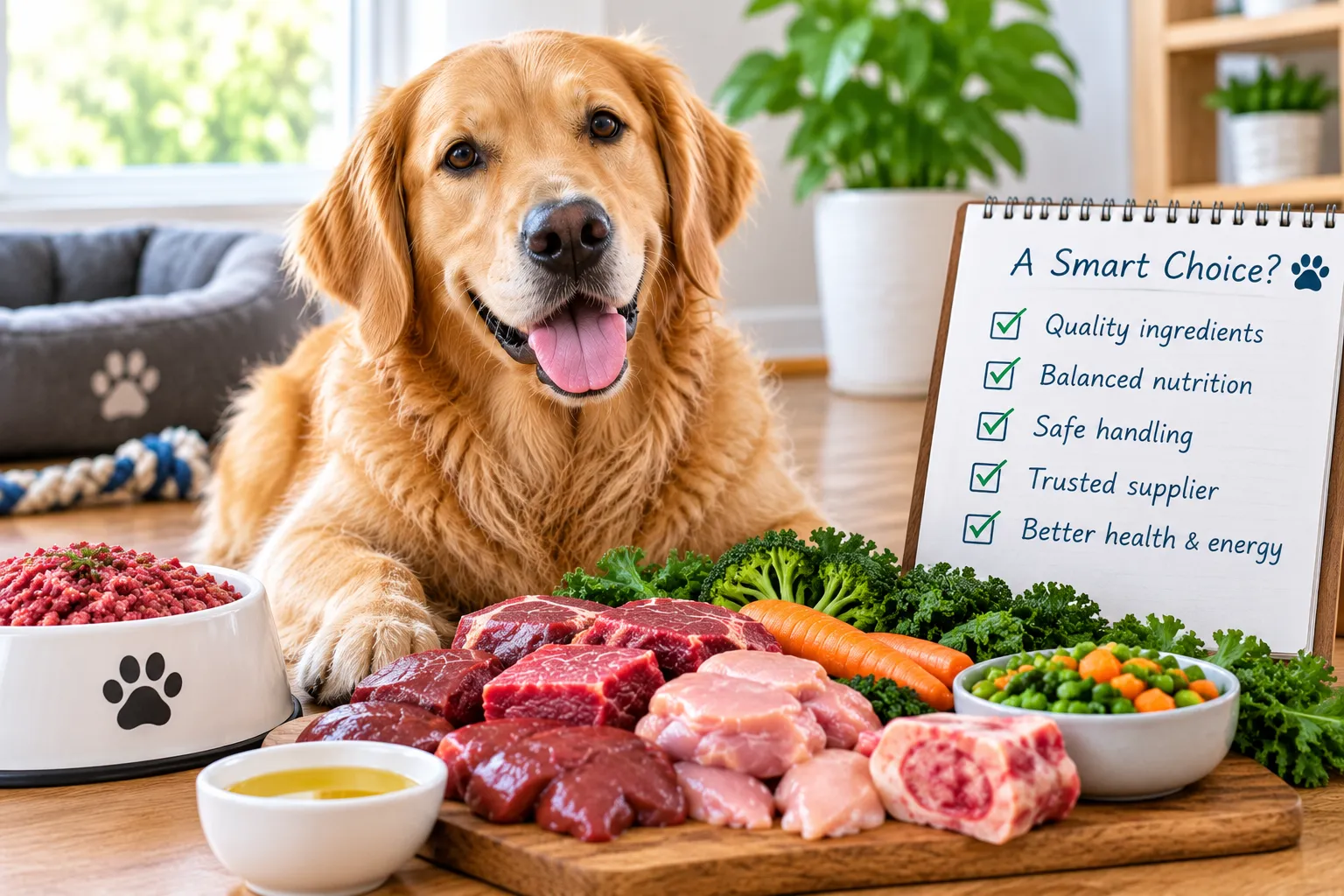
Walk down any pet aisle and you will notice how many owners are looking beyond the usual bag of dry food. Fresh, uncooked meals are growing in popularity, and prime raw dog food is a phrase you will see more and more. It sounds appealing, but what should you actually expect from it? This article breaks the topic down in simple terms, so you can shop wisely and feed with confidence.
Why the Word “Prime” Deserves a Second Look
Marketing loves strong words, and “prime” is one of them. On a pet food pack, though, it is not a protected term. Nobody checks whether a meal truly earns it. For most shoppers, prime raw dog food simply suggests better cuts of meat, fresh organs, and gentle handling.
That means the burden is on you. Instead of trusting a single word, study what is inside the package, where it came from, and how it was stored.
The Thinking Behind Feeding Uncooked
Dogs share ancestors with wolves, and many owners feel that a menu of meat, bone, and organ matches their dog’s natural design. Supporters like the simplicity. There are no pellets, no powders, and no long chemical names.
Critics point out that modern dogs have lived alongside people for thousands of years and have adapted to a wider diet. Both views have some truth. The key is not to follow a trend blindly but to choose a feeding style that fits your dog’s health, your budget, and your household.
Signs of a Well-Made Meal
How can you tell quality from hype? Look for these clues:
- Named meats such as “lamb” or “chicken,” not mystery terms
- A statement that the meal is complete and balanced
- A packing date and clear storage advice
When a product ticks all of these boxes, it is far more likely to deserve the title of prime raw dog food than one that relies on fancy photos alone.
Health Gains Reported by Owners
Many people say their dogs look and feel better after changing foods. They mention shinier coats, brighter eyes, better stamina, and neater stools. Some also notice that mealtime excitement goes up.
Avoid drawing too many conclusions from this.. Dogs differ, and an improvement may come from removing something that did not suit them rather than from the raw food itself. Until more research is done, think of these reports as encouraging stories, not scientific proof.
Hidden Dangers Worth Understanding
Uncooked meat can carry harmful bacteria. A dog with a strong stomach may handle them, but people are another matter. Germs can spread from packaging, bowls, floors, and even a dog’s tongue. Babies, seniors, and those with weaker immunity face the greatest risk.
There is also the danger of an unbalanced diet. If a recipe lacks calcium, vitamins, or trace minerals, problems may appear slowly over months. This is why prime raw dog food should always be complete, or carefully designed with expert help.
Planning a Weekly Menu
Variety keeps meals interesting and widens the range of nutrients. You might rotate between poultry, beef, and fish across the week, adding a small serving of organ meat a couple of times. Introduce each new protein slowly, so you can notice any reaction.
Some owners like to prepare a simple schedule on the fridge door. It helps you remember what was fed and makes shopping easier. Keep portions steady, and avoid piling on extras such as table scraps, which can throw the balance off.
Setting Up Your Freezer and Kitchen
A little preparation makes fresh feeding much easier. Clear a dedicated freezer shelf or drawer, and use sealed containers to stop leaks. Defrost only what you will use in the next day or two, and keep it on the bottom shelf of the fridge.
Use a separate chopping board and utensils for your dog’s food if possible. Wash everything in hot water afterward. When handled this way, prime raw dog food fits into a busy home without much fuss.
Common Slip-Ups New Owners Make
Beginners often make the same errors. They switch foods too quickly, buy more than they can store, or feed only plain meat with nothing to balance it. Others skip hygiene steps because the dog seems fine.
Another frequent mistake is ignoring the dog’s own signals. If your pet has ongoing loose stools, scratches constantly, or loses weight, the plan needs adjusting. Do not push on out of stubbornness. Dogs cannot tell you what is wrong, so you have to watch closely.
Special Cases That Need Extra Care
Puppies grow fast and need precise nutrition. Pregnant or nursing dogs have high energy demands. Older dogs and those with kidney, liver, or pancreas issues may need tailored diets. If anyone in your home has a weak immune system, a cooked fresh diet may be safer.
In all these situations, professional advice is not optional. A vet or qualified animal nutritionist can design a plan that fits.
Making the Final Decision
Ask yourself a few honest questions. Do you have the time to prepare food safely? Can you afford the cost on a regular basis? Is your household low risk? Does your vet support the idea? If the answers are mostly yes, fresh feeding may suit you well. If not, there are other ways to give your dog wholesome food.
Conclusion
Prime raw dog food can be a good option when quality, balance, and hygiene all line up. Do not rely on a catchy word; read the label, question the seller, and watch your dog’s response. Start slowly, keep your kitchen spotless, and involve your vet at every stage. With careful steps, you can serve fresh, satisfying meals that keep your dog happy and your family safe.