Is Pityriasis Rosea Linked to Skin Cancer?
By blogingi
90 Views
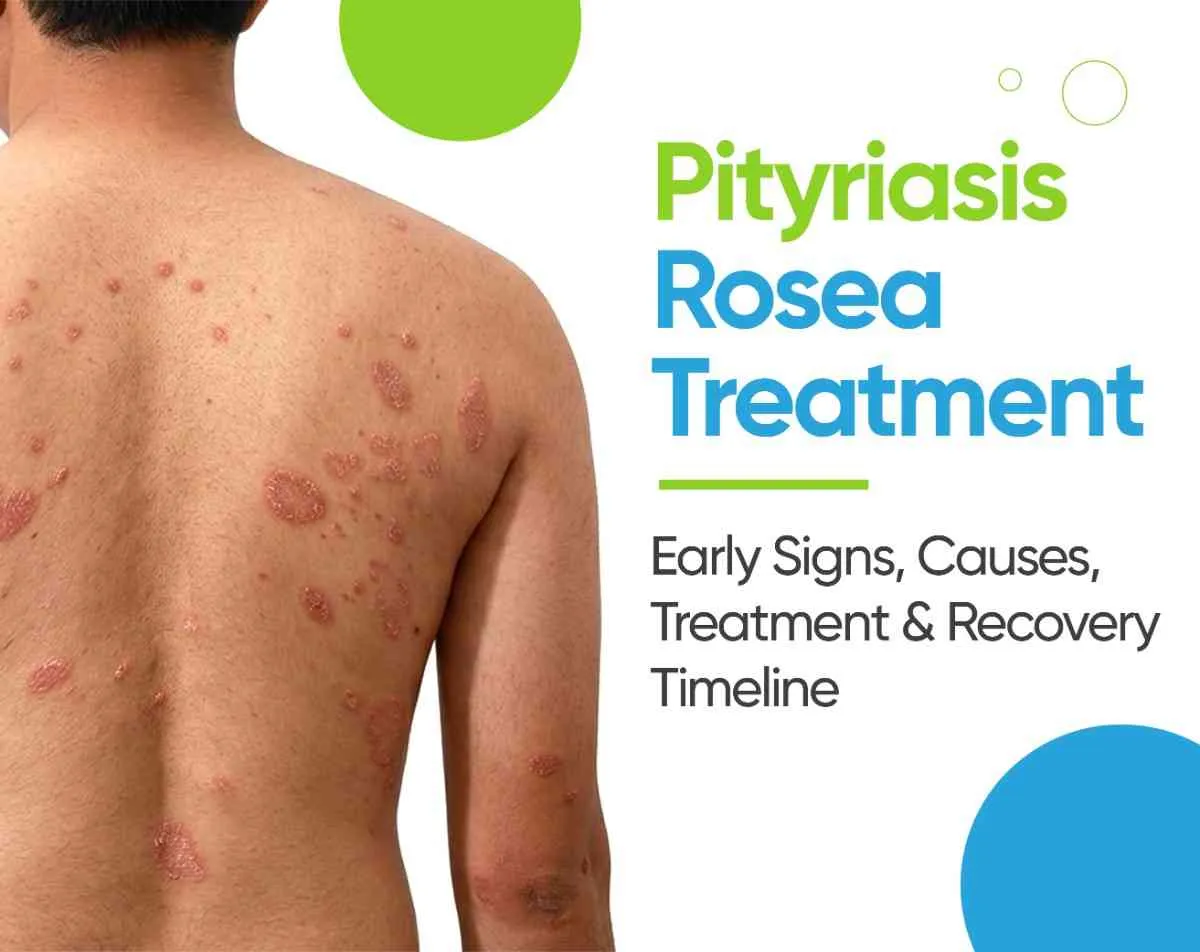
Discovering an unexpected rash or a sudden, unexplained spot on your skin can be an unsettling experience. In a country like Australia, where public health campaigns actively remind us to monitor our skin for signs of malignancy, it is completely natural for any new skin eruption to trigger anxiety about melanoma or other carcinomas.
One relatively common rash that frequently causes alarm is Pityriasis Rosea. Because its primary lesion can appear large, scaly, and slightly irregular, many individuals immediately worry if it is a sign of something more sinister.
In this comprehensive, evidence-based guide, we will clear up the confusion. You will learn exactly what Pityriasis Rosea is, explore the biological differences between this viral rash and skin malignancies, and discover how dermatologists differentiate between the two during a clinical examination.
What is Pityriasis Rosea?
Pityriasis Rosea is a benign (non-cancerous), acute, self-limiting inflammatory skin disease. It typically begins with a single, distinctive primary lesion called a "herald patch" , a large, oval-shaped, pink or salmon-colored plaque with a fine, scaly border.
Within days to weeks after the herald patch appears, a secondary eruption of smaller, similar-looking scaly spots spreads across the body, typically favoring the trunk, back, and upper limbs. The exact cause remains fully unconfirmed, but strong clinical evidence links its onset to the reactivation of widespread, common viral strains, specifically Human Herpesvirus 6 (HHV-6) and Human Herpesvirus 7 (HHV-7). It is completely non-contagious and generally resolves on its own without medical intervention.
Is Pityriasis Rosea Linked to Skin Cancer?
To put it simply and directly: No, Pityriasis Rosea is not linked to skin cancer.
There is absolutely no clinical evidence, statistical data, or oncological research drawing a causal link between Pityriasis Rosea and any form of skin malignancy, including melanoma, basal cell carcinoma (BCC), or squamous cell carcinoma (SCC).
- No Cellular Mutation: Pityriasis Rosea is an acute, reactive inflammatory response to a viral trigger. It does not cause DNA damage, cellular mutations, or atypical cell proliferation, which are the fundamental biological hallmarks of skin cancer.
- No Increased Risk: Having an episode of Pityriasis Rosea does not compromise your skin matrix or make you more susceptible to developing skin cancer in the future.
- Benign Lifecycle: Skin cancers are progressive diseases that grow over time and require targeted medical or surgical removal. In contrast, Pityriasis Rosea is entirely self-limiting; the immune system naturally resolves the rash, and it fades away completely within 4 to 10 weeks, leaving no permanent damage or scarring.
Why Do People Mistake Pityriasis Rosea for Skin Cancer?
If there is no biological connection, why does this concern pop up so frequently in dermatology clinics? The confusion boils down to visual similarities in the early stages of the condition.
1. The "Herald Patch" Mimicry
The initial herald patch can measure anywhere from 2 to 10 centimeters in diameter. Because it features raised edges, slight scaling, and a deep pink or reddish hue, a layperson might easily mistake it for a large superficial basal cell carcinoma or an atypical, amelanotic (colorless) melanoma.
2. The Multi-Spot Eruption
When the widespread secondary rash erupts, it can look intensely dramatic. Seeing dozens of red, scaly spots appear across the abdomen and back can trigger an immediate fear of systemic illness or metastasized lesions, even though the rash itself is superficial and harmless.
3. The "Christmas Tree" Pattern
On the back, the secondary lesions of Pityriasis Rosea tend to align along natural tissue cleavage lines, creating a distinct "Christmas Tree" pattern. While highly diagnostic for doctors, an unguided search on the internet can cause patients to confuse this scaly pattern with various rarer cutaneous lymphomas or extensive actinic keratoses (precancerous sun spots).
When You Should See a Specialist?
While Pityriasis Rosea is safe and temporary, you should never self-diagnose an ambiguous skin rash. Other serious conditions can present with similar scaly patches. It is vital to book an assessment with a healthcare professional if you notice any of the following:
- The rash lasts longer than 12 weeks: Standard Pityriasis Rosea should clear within three months. Persistent spots require a biopsy to rule out other dermatological issues.
- The spots appear on your face, palms, or soles: Pityriasis Rosea notoriously spares the face, palms of the hands, and soles of the feet. Rashes in these locations could point to secondary syphilis, psoriasis, or specific drug eruptions.
- An isolated spot behaves unusually: If a specific spot is asymmetric, shows multiple colors, bleeds spontaneously, or forms an open sore, it must be evaluated immediately with a high-resolution dermatoscope to check for skin cancer.
Frequently Asked Questions
Can UV light help clear up Pityriasis Rosea?
Yes, controlled exposure to sunlight or medical phototherapy during the first week of the eruption can help lessen the severity of the rash and reduce itching. However, this must be managed carefully, as excessive UV exposure increases your risk of skin cancer the very thing you want to avoid!
Does Pityriasis Rosea leave permanent scars?
No. As the spots fade, they may leave behind temporary areas of lighter skin (hypopigmentation) or darker skin (hyperpigmentation), especially in darker skin types. This is known as post-inflammatory pigmentary change and naturally blends back into your normal skin tone over a few months.
Can Pityriasis Rosea return after it clears?
It is incredibly rare. The vast majority of individuals develop Pityriasis Rosea only once in their lifetime, as the immune system builds long-term immunity against the underlying viral trigger.
What is the best treatment for Pityriasis Rosea?
Since the condition resolves on its own, active treatment focuses purely on symptom relief. If you experience itching, your doctor may recommend over-the-counter anti-itch lotions (like calamine), mild topical steroid creams, or oral antihistamines. Keeping your showers cool and avoiding harsh, perfumed soaps also prevents further skin irritation.
Conclusion
Discovering a sudden outbreak of scaly red spots can be frightening, but you can rest assured knowing that Pityriasis Rosea is a harmless, temporary inflammatory reaction with absolutely no links to skin cancer. It is simply a viral lifecycle playing out across your skin structure that your immune system will eventually clear up all on its own.