Is Laser Acne Scar Treatment Worth Trying?
92 Views
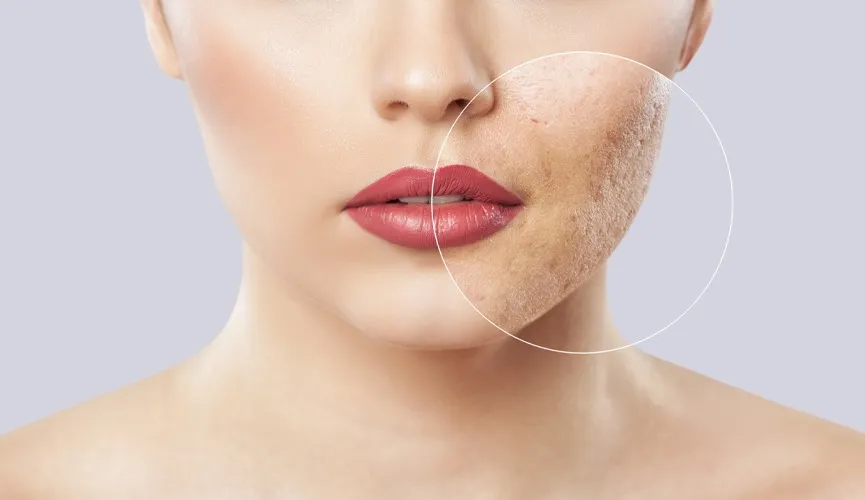
Acne scars can be a persistent reminder of past breakouts, often affecting one's confidence and self-image long after the active acne has subsided. Many individuals consider Laser Acne Scar treatment Abu Dhabi as a viable path to smoother, more uniform skin. By utilizing advanced light technology to remodel tissue and stimulate natural healing, this approach offers a modern solution for those seeking to diminish the appearance of textural irregularities and discoloration.
- Acne scars often remain after the initial condition has cleared, impacting skin texture and emotional well-being.
- Laser technology provides a targeted, professional method for improving these lingering marks.
- The procedure focuses on skin resurfacing and collagen production to create a more even complexion.
Understanding How Laser Skin Resurfacing Works
At its core, laser treatment functions by delivering controlled energy to the skin’s surface or deeper layers. This process creates precise, microscopic injuries that the body recognizes as a signal to initiate its natural repair mechanisms. By triggering the production of fresh collagen and elastin, the skin effectively "remodels" itself from the inside out, replacing disorganized scar tissue with healthier, smoother cells.
- Laser pulses are absorbed by the skin to create controlled, intentional thermal injury.
- The primary goal is to stimulate the body to produce new collagen and elastin proteins.
- Collagen remodeling gradually replaces old, damaged scar tissue with fresh, healthy skin.
- Improvements in texture and tone develop progressively as the skin continues to heal over several months.
Differentiating Between Ablative and Non-Ablative Lasers
When exploring options, it is important to understand the two main categories of lasers: ablative and non-ablative. Ablative lasers work by removing the thin, outermost layers of the skin, which allows for significant resurfacing and is often chosen for more pronounced or deep scarring. Conversely, non-ablative lasers focus on heating the underlying dermis without removing the top layer of skin, making them a gentler option that typically requires less recovery time.
- Ablative lasers remove surface skin layers, often resulting in more dramatic initial changes.
- Non-ablative lasers heat the deeper skin layers to encourage regeneration without damaging the surface.
- The choice between these methods often depends on the severity of the scars and the individual’s skin type.
- Professionals assess unique skin needs to determine which wavelength or intensity will provide the most effective outcome.
The Role of Fractional Technology in Scar Reduction
Fractional laser therapy has become a cornerstone of modern dermatological care for scarring. Instead of treating the entire surface of the skin at once, fractional lasers deliver energy in tiny, spaced-out columns. This leaves the surrounding healthy tissue intact, which significantly supports the healing process and allows for better results with manageable recovery periods.
- Fractional lasers target specific "fractions" of the skin rather than the full surface area.
- Surrounding healthy tissue acts as a reservoir of cells that helps speed up the recovery phase.
- This precision allows for deeper treatment of scars while minimizing the overall trauma to the skin.
- Most patients find that fractional treatments offer a comfortable balance between efficacy and downtime.
What to Expect During the Healing Process
Post-treatment, the skin requires gentle care as it undergoes its natural rejuvenation. It is common to experience sensations similar to a mild sunburn, including redness, slight swelling, or temporary sensitivity. As the days progress, the skin naturally sheds the treated cells and reveals a fresher, more refined surface. Following a structured aftercare routine is essential to protect the newly treated area during this vital regeneration phase.
- Initial symptoms often include redness, heat, and mild swelling, which usually resolve within a few days.
- Patients are typically advised to keep the area clean and well-moisturized during the initial healing window.
- Sun protection is paramount, as the new skin is particularly sensitive to UV exposure.
- Progressive improvement is a hallmark of the process, with the most visible results typically appearing after a few months of consistent collagen remodeling.
Tailoring Treatments to Individual Skin Needs
No two skin profiles are identical, which is why a personalized approach is vital. The depth of the scars, the skin’s baseline tone, and the presence of any active inflammation are all factors that determine the treatment plan. By customizing the intensity and the number of sessions, individuals can work toward their aesthetic goals in a way that respects their skin’s unique resilience and healing pace.
- Specialists evaluate individual skin characteristics to create a tailored treatment plan.
- The number of sessions required varies depending on how deeply the scars have penetrated the skin.
- Customization ensures that the energy levels are both safe and effective for the specific scar type.
- Consistent sessions allow the skin to heal incrementally, preventing unnecessary stress on the dermis.
The Long-Term Benefits of Choosing Professional Care
Choosing a professional path for acne scar reduction provides access to high-grade technology and clinical expertise that is difficult to replicate with at-home alternatives. Beyond the immediate physical improvement, many people find that addressing these scars leads to a lasting boost in confidence. Because the treatment encourages the body to build its own healthy collagen, the improvements are not just superficial—they represent a genuine improvement in the skin's structural integrity.
- Professional-grade lasers provide deeper, more uniform results than standard over-the-counter skincare.
- The structural changes, such as increased collagen, provide long-lasting benefits to the skin's appearance.
- Successfully reducing the visibility of scars can have a profoundly positive impact on self-esteem.
- Ongoing guidance from skincare professionals helps maintain the results and supports overall skin health for the long term.
Frequently Asked Questions
1. Is laser treatment considered suitable for all types of acne scars?
Laser treatments are versatile and can be adapted to target different types of acne scars, including atrophic (indented) scars like boxcar or rolling scars. A professional assessment is necessary to determine which laser technology best suits the depth and shape of your specific scarring.
2. How long does it usually take to see visible improvement in my skin?
While some individuals notice a subtle change in skin texture fairly quickly, the primary results of laser treatment rely on collagen production, which is a gradual biological process. Most people see significant, progressive improvement in the depth and visibility of their scars between three and six months after completing their sessions.
3. Will the skin appear completely "scar-free" after the sessions are done?
The objective of laser resurfacing is to significantly reduce the visibility of scars and improve overall skin texture. While the treatment can make scars substantially shallower and more aligned with the surrounding skin, it is important to have realistic expectations. Most patients report a high level of satisfaction with the smoother, more even appearance of their complexion.
4. Can I combine laser treatment with other skincare routines?
Yes, laser treatment is often part of a broader skincare strategy. However, it is important to wait until the skin has fully healed before reintroducing active ingredients like retinoids or exfoliating acids. A professional will guide you on when it is safe to resume your regular skincare regimen to ensure the best possible outcome.