Is Keloid Treatment Safe for Sensitive Skin Types Today?
73 Views
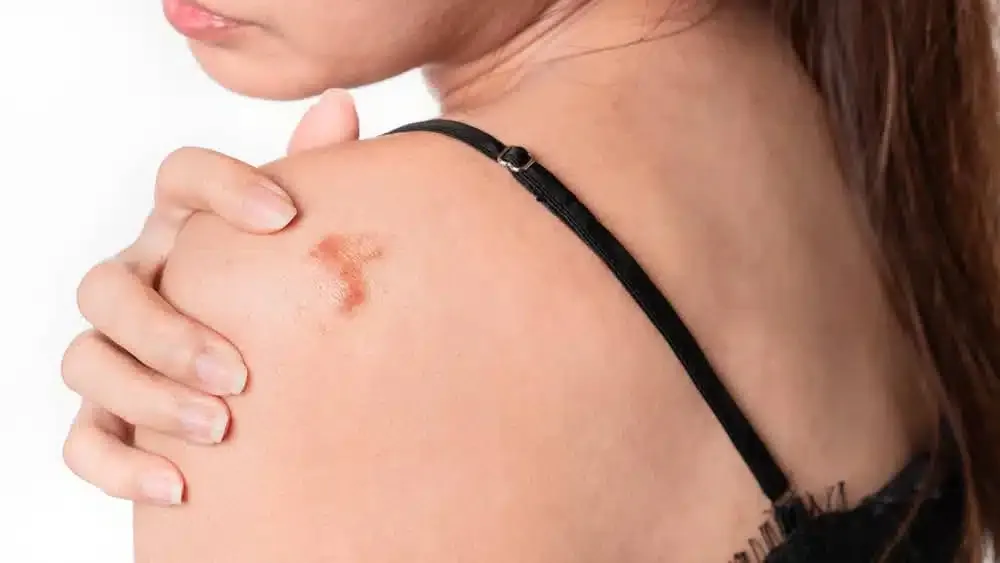
Sensitive skin often reacts more easily to cosmetic procedures, topical products, and physical irritation, making people with raised scars understandably cautious about treatment.Keloid Treatment in Dubai can be considered for sensitive skin when the approach is carefully selected and customized by a qualified skin specialist. The key is not simply choosing the strongest treatment, but finding an option that addresses excessive scar tissue while minimizing unnecessary irritation.
Keloids can cause itching, tenderness, tightness, or cosmetic concerns, and they may continue growing beyond the boundaries of the original injury. Fortunately, modern dermatology offers several approaches, ranging from silicone-based scar care and corticosteroid injections to laser procedures and combination therapies. However, sensitive skin requires particular attention to treatment intensity, healing, pigmentation, and the possibility of adverse reactions.
Why Is Sensitive Skin More Challenging to Treat?
Sensitive skin does not necessarily mean that keloid treatment is unsafe. Instead, it means the skin may require a more conservative treatment strategy and closer monitoring.
People with sensitive skin may experience increased redness, burning, dryness, swelling, or irritation after certain procedures. In addition, some individuals are more prone to post-inflammatory pigmentation changes, particularly after inflammation or injury.
A keloid itself is different from ordinary sensitive skin. It develops when the body produces excessive scar tissue during wound healing, causing the scar to become raised and extend beyond the original wound. Keloids can remain persistent without treatment and may become more noticeable over time.
Before starting treatment, a dermatologist should assess factors such as:
- The size, thickness, and location of the keloid
- How long the scar has been present
- Previous reactions to scar treatments
- Skin tone and tendency toward pigmentation
- Whether the scar is painful or itchy
- Previous keloid treatments and their results
This assessment helps determine which approach is appropriate instead of automatically using an aggressive procedure.
Which Keloid Treatments May Suit Sensitive Skin?
There is no single treatment that works equally well for every keloid. Dermatologists commonly use different approaches depending on the scar and may combine treatments to improve outcomes.
Silicone Gel and Silicone Sheets
Silicone-based scar therapy is one of the gentler options used in keloid management. Silicone gel or medical-grade silicone sheets can help soften and flatten raised scars and may also be used after other treatments to help reduce recurrence.
For sensitive skin, this option can be attractive because it does not involve needles, freezing, or heat. However, the product should be applied only as directed, and silicone sheets should not be placed over open wounds or unhealed areas.
If irritation develops underneath a silicone product, the skin should be assessed rather than assuming that continued use will improve the problem.
Corticosteroid Injections
Intralesional corticosteroid injections are commonly used for raised scars and keloids. The medication is injected directly into the scar to help reduce its size, hardness, and symptoms such as itching or discomfort.
This does not mean injections are automatically suitable for every sensitive-skin patient. The concentration and amount need to be selected according to factors such as scar thickness and location.
Potential local effects can include skin thinning, changes in pigmentation, or atrophy if the medication is not appropriately delivered. DermNet notes that hypopigmentation and atrophy are recognized complications of intralesional steroid injections.
For people particularly concerned about pigmentation, this is an important reason to have the procedure performed by an experienced medical professional.
Can Laser and Cryotherapy Be Safe for Sensitive Skin?
Laser treatment and cryotherapy can be useful for selected keloids, but they are not necessarily the first choice for every sensitive skin type.
Laser therapy may help reduce the height or color of a keloid and is frequently combined with another treatment, such as corticosteroid injections. The American Academy of Dermatology notes that laser and light treatments can reduce the appearance of raised scars and may improve symptoms such as redness, hardness, pain, and itching.
Cryotherapy works by freezing the keloid tissue. It can reduce the size and hardness of smaller keloids, but pigmentation is an important consideration. The AAD specifically notes that cryosurgery may not be recommended for people with darkly pigmented skin because it can cause a permanent light spot.
Therefore, sensitive skin and darker skin are not the same thing, although both can influence treatment planning. A specialist should consider both sensitivity and pigmentation risk before selecting a procedure.
How Can Keloid Treatment Be Customized for Sensitive Skin?
The safest approach is usually a personalized treatment plan rather than a one-size-fits-all procedure. A dermatologist can adjust the choice, intensity, frequency, and combination of treatments according to how the individual's skin responds.
For example, a treatment plan may involve silicone therapy for ongoing scar care and injections for a thicker or symptomatic keloid. In other situations, laser therapy may be considered as an additional approach rather than using it alone. Dermatologists frequently combine two or more treatment methods because keloids can be difficult to treat and may return after treatment.
For sensitive skin, a customized plan may focus on:
- Accurate diagnosis: A raised scar should be correctly identified because other skin conditions can sometimes resemble keloids.
- Conservative treatment selection: The least irritating effective option may be considered first when clinically appropriate.
- Controlled treatment intensity: Procedures such as injections or laser treatments can be adjusted according to the scar and surrounding skin.
- Monitoring pigmentation: Changes in skin color should be considered, particularly for individuals prone to post-treatment discoloration.
- Aftercare: Following instructions for wound care, silicone use, sun protection, and follow-up can support recovery.
This individualized approach is particularly important when the skin has reacted poorly to previous treatments.
What Should Sensitive-Skin Patients Ask Before Treatment?
Before undergoing Keloid Treatment in Dubai, patients with sensitive skin should discuss their history openly with their dermatologist. Previous reactions to injections, creams, lasers, adhesives, or other procedures can help the clinician determine what should be avoided.
It is also useful to ask whether the proposed treatment is appropriate for the keloid's location and size, how many sessions may be required, what temporary reactions are expected, and what signs would indicate excessive irritation.
Patients should also mention any previous keloids or abnormal scarring elsewhere on the body. Having one keloid can indicate a tendency to develop others, and avoiding unnecessary skin trauma may be particularly important.
After treatment, patients should follow the recommended aftercare rather than experimenting with strong exfoliants, irritating skincare products, or home remedies. If significant swelling, worsening pain, discharge, blistering, or unexpected skin-color changes develop, medical advice should be sought promptly.
Is Keloid Treatment Completely Risk-Free?
No medical or cosmetic procedure can be described as completely risk-free. The goal is to select an appropriate treatment and reduce avoidable complications through proper assessment and technique.
Keloids themselves can also be challenging because treatment does not guarantee permanent removal. The AAD explains that no treatment consistently eliminates keloids or guarantees that they will not return. Combination therapy is often used to improve the likelihood of a favorable result.
For sensitive skin, the biggest consideration is balancing scar improvement with preservation of healthy surrounding skin. A treatment that is too aggressive may create unnecessary inflammation, while an appropriately selected approach can target the raised scar more carefully.
It is also worth remembering that the goal may not always be complete disappearance. Depending on the case, successful treatment may mean making the keloid flatter, softer, less noticeable, and less symptomatic.
Conclusion
Sensitive skin does not automatically prevent someone from undergoing keloid management, but it does make individualized planning especially important. Silicone therapy, corticosteroid injections, laser treatment, cryotherapy, and combination approaches may all have a role depending on the scar and the patient's skin characteristics.
The most appropriate Keloid Treatment should be selected after a professional assessment rather than based solely on the treatment's popularity or intensity. If you have sensitive skin and a raised or growing scar, consulting a qualified dermatologist can help determine a suitable approach while keeping irritation and pigmentation risks in mind.