Intensive Outpatient Program Marietta, GA: Flexible Mental Health Support That Fits Real Life
By Zenith Mental Health Center
152 Views
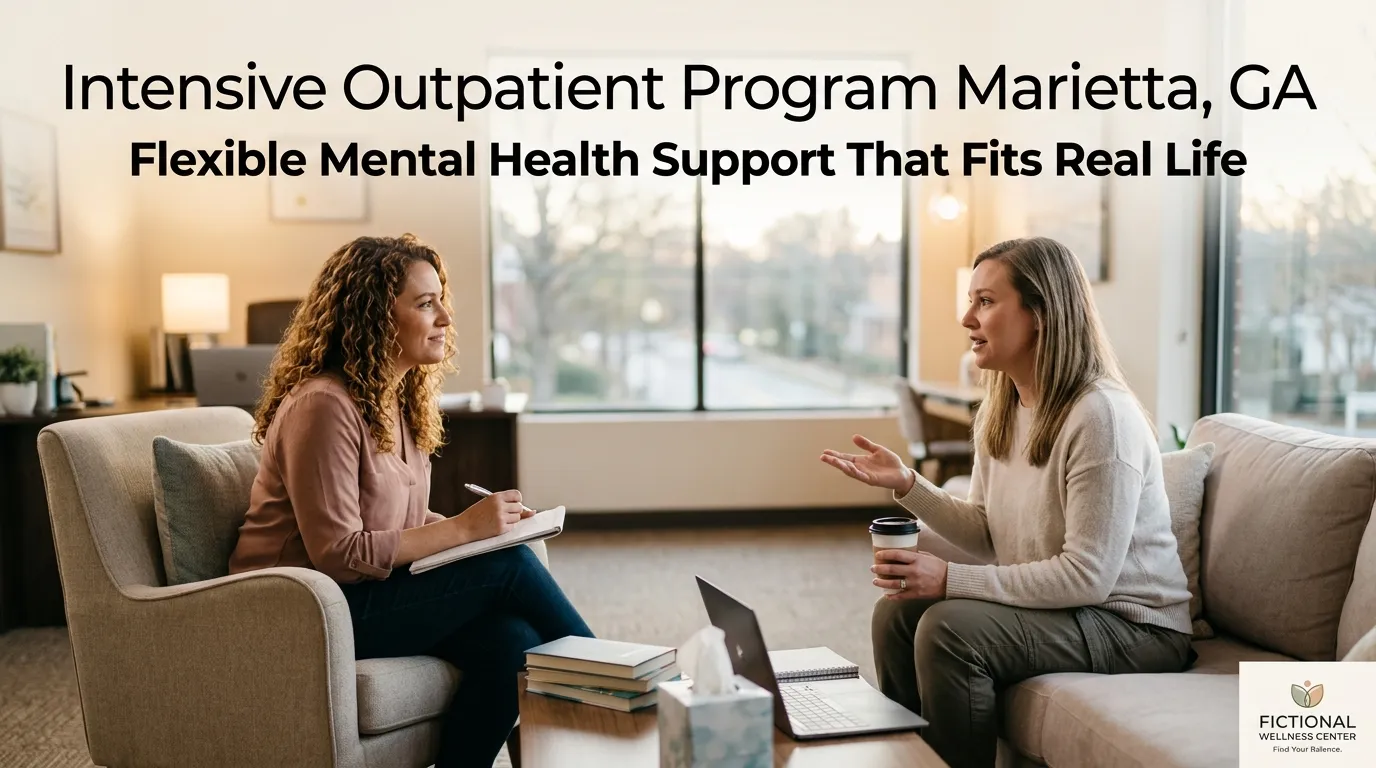
Mental health recovery rarely follows a straight line. Some people need more support than weekly therapy, but they do not require 24/7 inpatient care. That is where an Intensive Outpatient Program (IOP) can make a real difference.
If you are searching for an Intensive outpatient program in Marietta, GA, you are probably looking for a treatment option that balances structure, flexibility, and real-life responsibilities. Whether you are managing anxiety, depression, trauma, or mood disorders, an IOP gives you access to professional care while allowing you to continue living at home, working, or attending school.
At Zenith Mental Health Center, the goal is simple: provide compassionate, evidence-based mental health care that helps people move forward without putting their entire lives on pause.
What Is an Intensive Outpatient Program?
An Intensive Outpatient Program is a structured mental health treatment program designed for individuals who need more support than traditional outpatient therapy.
Unlike inpatient hospitalization, an IOP does not require overnight stays. Clients attend scheduled therapy sessions several days a week while continuing daily responsibilities at home.
According to the Substance Abuse and Mental Health Services Administration (SAMHSA), outpatient mental health programs play an important role in helping individuals manage mental health conditions through consistent therapeutic support and community-based care.
Most IOPs include:
- Individual therapy
- Group counseling
- Cognitive Behavioral Therapy (CBT)
- Coping skill development
- Medication management
- Relapse prevention support
- Family education when appropriate
Think of it as the middle ground between weekly therapy and inpatient treatment. It offers structure without making life feel like a hospital drama series.
Who Can Benefit From an IOP?
An Intensive Outpatient Program can help people facing a wide range of mental health challenges.
Many individuals seek IOP treatment for:
- Anxiety disorders
- Depression
- PTSD and trauma
- Bipolar disorder
- Emotional burnout
- Stress-related conditions
- Co-occurring mental health concerns
IOPs also help people transitioning out of inpatient care who still need ongoing support before returning fully to independent routines.
The National Institute of Mental Health notes that early and consistent mental health treatment improves long-term outcomes for many psychiatric conditions. Structured outpatient care often provides that consistency.
Why People Choose an Intensive Outpatient Program in Marietta, GA
Life does not stop when mental health challenges appear. Bills still show up. Kids still need rides. Emails somehow multiply overnight.
That is one reason many people prefer an Intensive outpatient program in Marietta, GA, instead of residential treatment.
An IOP allows clients to:
- Maintain work or school schedules
- Stay connected with family
- Practice coping skills in real-life situations
- Receive structured therapeutic care without hospitalization
For many adults, flexibility matters just as much as treatment quality. Recovery should fit into real life whenever possible.
At Zenith Mental Health Center, treatment plans focus on practical, individualized care rather than one-size-fits-all solutions.
What to Expect During an IOP
Starting treatment can feel intimidating at first. Many people worry they will walk into a room where everyone speaks in therapy quotes and drinks herbal tea in complete silence.
Reality looks much more normal.
A typical Intensive Outpatient Program includes several therapy sessions each week, often scheduled during daytime or evening hours. Programs usually combine:
- One-on-one counseling
- Group therapy sessions
- Skill-building exercises
- Mental health education
- Medication monitoring if needed
Therapists help clients develop healthier coping mechanisms, improve emotional regulation, and identify patterns that contribute to distress.
Group therapy also provides something many people miss during mental health struggles: connection. Hearing others describe similar experiences often reduces feelings of isolation and shame.
Evidence-Based Therapies Matter
Quality mental health care should rely on proven clinical approaches, not trends from social media wellness influencers who suddenly became “mindset experts” last Tuesday.
Evidence-based therapies commonly used in IOP treatment include:
- Cognitive Behavioral Therapy (CBT)
- Dialectical Behavior Therapy (DBT)
- Trauma-informed therapy
- Mindfulness-based approaches
The American Psychological Association recognizes CBT as one of the most effective treatments for anxiety, depression, and several related conditions.
These therapies focus on practical skills people can apply outside the therapy office. The goal is not just feeling better during sessions. The goal is to build tools that support long-term stability.
The Importance of Personalized Mental Health Care
No two people experience mental health challenges the same way. Stress affects everyone differently. One person shuts down completely, while another suddenly decides reorganizing the garage at 2 a.m. sounds productive.
Effective treatment plans should reflect those differences.
At Zenith Mental Health Center, mental health professionals work closely with clients to create personalized treatment strategies based on individual symptoms, goals, and daily responsibilities.
Personalized care may include:
- Flexible scheduling
- Customized therapy goals
- Medication management support
- Family involvement is beneficial
- Long-term recovery planning
This individualized approach helps clients feel supported instead of overwhelmed.
Mental Health Support Should Feel Accessible
One of the biggest barriers to treatment is the belief that getting help must involve completely stepping away from daily life.
That assumption prevents many people from seeking care early.
An Intensive outpatient program in Marietta, GA, offers a more accessible option for individuals who need meaningful support without full hospitalization. Clients can receive structured treatment while continuing to engage with work, school, family, and community life.
That balance often improves confidence during recovery because people practice coping skills in real-world situations instead of isolated clinical settings.
When to Seek Help
Mental health symptoms rarely disappear simply because someone stays busy or ignores them long enough.
It may be time to consider professional support if you notice:
- Persistent anxiety or sadness
- Difficulty functioning at work or school
- Emotional exhaustion
- Panic attacks
- Mood instability
- Withdrawal from relationships
- Trouble managing stress
Seeking treatment is not a weakness. It is healthcare.
The earlier someone receives support, the better the chances of improving emotional well-being and preventing symptoms from worsening over time.
Final Thoughts
Finding the right mental health support can feel overwhelming, especially when every website promises life-changing results after three deep breaths and a motivational quote.
Real recovery takes time, consistency, and professional guidance.
If you are looking for a trusted Intensive outpatient program in Marietta, GA, Zenith Mental Health Center provides structured, compassionate care designed around real-life needs. With evidence-based therapies, personalized treatment plans, and flexible outpatient support, individuals can take meaningful steps toward long-term mental wellness while staying connected to everyday life.