Infertility Explained: Causes, Symptoms, Diagnosis & Treatment Options
50 Views
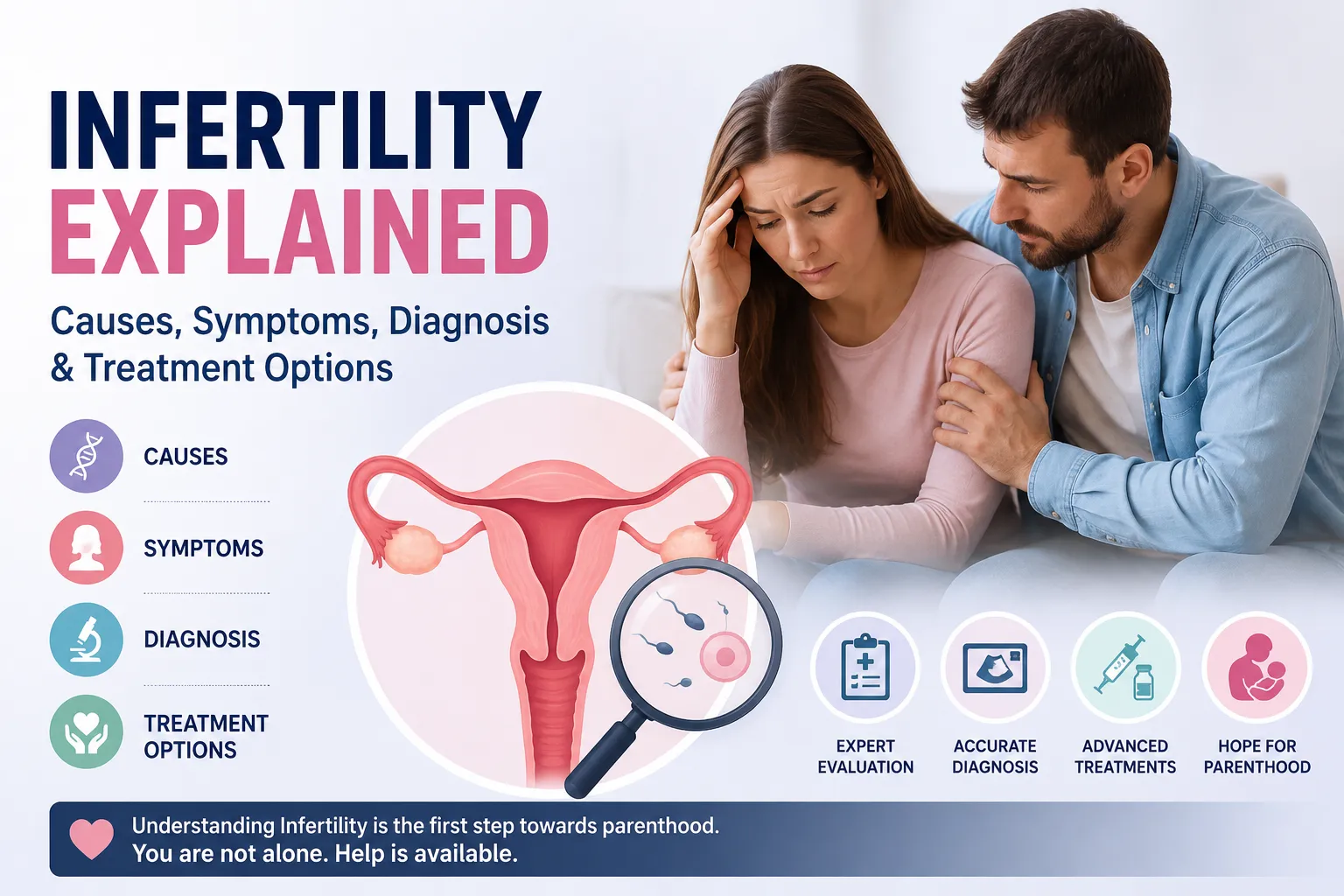
Starting a family is an important dream for many couples, but conceiving does not always happen as quickly as expected. Infertility in Jaipur is becoming an increasingly discussed reproductive health concern as more couples seek timely diagnosis and appropriate medical guidance. Infertility can affect women, men, or both partners, and in many cases, the underlying cause can be identified and treated. Understanding its causes, warning signs, diagnosis, and available treatment options can help couples make informed decisions about their reproductive health.
What Is Infertility?
Infertility refers to difficulty achieving pregnancy after regular, unprotected sexual intercourse for a certain period. Generally, couples are advised to seek an evaluation after 12 months of trying to conceive. For women aged 35 or above, an assessment is often recommended after six months because fertility can change with age.
Infertility is not always caused by one specific problem. It may result from hormonal changes, ovulation disorders, sperm-related issues, blocked fallopian tubes, uterine conditions, age-related fertility decline, lifestyle factors, or a combination of several factors.
In some cases, doctors may not find an obvious cause even after detailed testing. This is known as unexplained infertility. Importantly, experiencing infertility does not mean that pregnancy is impossible. Modern fertility care offers several approaches depending on the individual situation.
Common Causes of Female Infertility
Female fertility depends on healthy ovulation, functioning fallopian tubes, a healthy uterus, and appropriate hormonal balance. Problems affecting any of these areas can make conception more difficult.
Ovulation Disorders
Ovulation occurs when an ovary releases an egg. If ovulation is irregular or does not occur, conception may become difficult. Polycystic ovary syndrome (PCOS), thyroid disorders, hormonal imbalances, significant weight changes, and certain medical conditions can interfere with normal ovulation.
Irregular periods, very long menstrual cycles, or absent periods can sometimes indicate an ovulation problem. However, some women may have fertility issues without experiencing obvious menstrual changes.
Blocked Fallopian Tubes
The fallopian tubes provide the pathway where the egg and sperm normally meet. Previous pelvic infections, certain sexually transmitted infections, endometriosis, or abdominal and pelvic surgeries can damage or block these tubes.
When both tubes are blocked, natural conception may be significantly affected because sperm cannot reach the egg.
Endometriosis
Endometriosis is a condition in which tissue similar to the uterine lining grows outside the uterus. It may affect the ovaries, fallopian tubes, and surrounding pelvic tissues.
Painful periods, chronic pelvic pain, pain during intercourse, and difficulty conceiving can occur in people with endometriosis. However, symptoms can vary considerably from person to person.
Uterine Problems
Fibroids, polyps, scar tissue, or structural abnormalities of the uterus may sometimes interfere with implantation or conception. Depending on the condition, treatment may improve the chances of pregnancy.
Common Causes of Male Infertility
Infertility is not only a female health concern. Male factors contribute to many cases of difficulty conceiving and should be evaluated as part of the fertility assessment.
Sperm-related problems may involve a low sperm count, reduced movement, or abnormal sperm shape. Conditions such as varicocele, hormonal disorders, infections, genetic factors, previous testicular surgery, and certain medications can also affect fertility.
Lifestyle habits may play a role as well. Smoking, excessive alcohol consumption, recreational drug use, obesity, poor nutrition, prolonged heat exposure, and inadequate physical activity may negatively affect reproductive health.
A semen analysis is commonly used as an initial investigation because it provides important information about sperm count, movement, and morphology.
Symptoms of Infertility
Infertility does not always cause noticeable symptoms. For many couples, the main indication is simply that pregnancy has not occurred despite regular, unprotected intercourse.
Some signs may point toward an underlying reproductive problem. In women, these may include irregular or absent periods, unusually painful menstruation, pelvic pain, abnormal bleeding, or symptoms associated with hormonal imbalance.
Men may experience signs such as erectile difficulties, reduced sexual desire, problems with ejaculation, testicular pain, swelling, or other changes involving reproductive health.
It is important to remember that the absence of symptoms does not necessarily mean fertility is normal. Some people discover fertility problems only after undergoing an evaluation.
When Should You See a Fertility Specialist?
Waiting too long to seek professional advice can sometimes reduce available treatment options, particularly when age or ovarian reserve is a concern.
Couples are generally encouraged to consider an evaluation after 12 months of unsuccessful attempts to conceive. Women over 35 may benefit from seeking medical advice after six months.
Earlier evaluation may be appropriate if there are irregular periods, known reproductive disorders, previous pelvic infections, repeated miscarriages, a history of reproductive surgery, suspected endometriosis, or concerns about sperm health.
Both partners should ideally be assessed. Evaluating only one partner can sometimes delay identification of the actual cause.
How Is Infertility Diagnosed?
A fertility evaluation usually begins with a detailed medical history. Doctors may ask about menstrual cycles, previous pregnancies, surgeries, medical conditions, medications, lifestyle factors, and the duration of attempts to conceive.
For women, diagnostic tests may include blood investigations, hormone testing, pelvic ultrasound, ovarian reserve assessment, and tests that evaluate whether the fallopian tubes are open. In selected cases, additional examinations may be recommended to assess the uterus or other reproductive structures.
For men, semen analysis is an important initial investigation. If abnormalities are identified, doctors may recommend repeat testing or additional hormonal, genetic, or imaging investigations.
The purpose of diagnosis is not simply to label infertility but to identify factors that may be preventing conception and determine the most suitable treatment strategy.
Treatment Options for Infertility
Infertility treatment varies according to its cause, age, reproductive history, test results, and overall health. Some couples may require simple interventions, while others may benefit from assisted reproductive techniques.
Lifestyle and Health Improvements
Maintaining a healthy weight, eating a balanced diet, exercising regularly, avoiding tobacco, limiting alcohol, managing stress, and getting sufficient sleep can support overall reproductive health.
These changes cannot correct every cause of infertility, but they can create a healthier environment for conception and may complement medical treatment.
Fertility Medicines
Medications may be prescribed to stimulate or regulate ovulation in women with specific ovulation disorders. Treatment is generally monitored by a fertility specialist to reduce potential risks and determine whether the ovaries are responding appropriately.
In selected male infertility cases, medication may also be considered when hormonal abnormalities are contributing to reduced sperm production.
Intrauterine Insemination
Intrauterine insemination, commonly called IUI, involves placing specially prepared sperm directly into the uterus around the time of ovulation.
IUI may be considered for certain cases of unexplained infertility, mild male-factor infertility, or selected ovulation-related problems. Its suitability depends on factors such as age, ovarian function, sperm quality, and the condition of the fallopian tubes.
In Vitro Fertilisation
In vitro fertilisation, or IVF, is an assisted reproductive technique in which eggs are collected from the ovaries and fertilised with sperm in a laboratory. After fertilisation, an embryo can be transferred into the uterus.
IVF may be considered for blocked fallopian tubes, certain male-factor infertility cases, endometriosis, reduced ovarian reserve, unexplained infertility, or when other treatments have not produced the desired outcome.
Intracytoplasmic Sperm Injection
Intracytoplasmic sperm injection, known as ICSI, is a specialised form of IVF. During the procedure, a single sperm is injected directly into an egg to assist fertilisation.
ICSI may be recommended in certain cases of severe male-factor infertility, previous fertilisation failure, or when there are specific concerns regarding sperm quality.
Does Age Affect Fertility?
Age is an important factor in fertility, particularly for women. The number and quality of eggs generally decline over time, which can make conception more difficult and may increase the risk of miscarriage.
Male fertility can also change with age, although the pattern is different. Changes in sperm quality and other reproductive factors may occur gradually.
For this reason, people who are concerned about fertility should consider discussing their individual circumstances with a qualified medical professional rather than relying on general assumptions.
Emotional Health During Infertility
The fertility journey can be emotionally demanding. Appointments, investigations, treatment decisions, financial concerns, and uncertainty about the outcome may create significant stress.
Couples may experience sadness, anxiety, frustration, or feelings of isolation. Open communication between partners can help them navigate these challenges together. Professional counselling can also be useful when emotional stress becomes difficult to manage.
Infertility should never be viewed as a personal failure. It is a medical concern that deserves appropriate evaluation, compassion, and evidence-based care.
Final Thoughts
Infertility can have many possible causes, but advances in reproductive medicine have created more diagnostic and treatment options than ever before. From lifestyle improvements and medication to IUI, IVF, and ICSI, the appropriate approach depends on the individual needs of each couple. Early evaluation can help identify potential problems and prevent unnecessary delays. If you are experiencing difficulty conceiving, seeking qualified guidance for Best Hospital in Jaipur can help you understand the possible cause, explore suitable treatment options, and take the next step with greater confidence and clarity.