Industrial Solar Projects: A Practical Path to Smarter Resource Management in Pakistan
By Green Power
22 Views
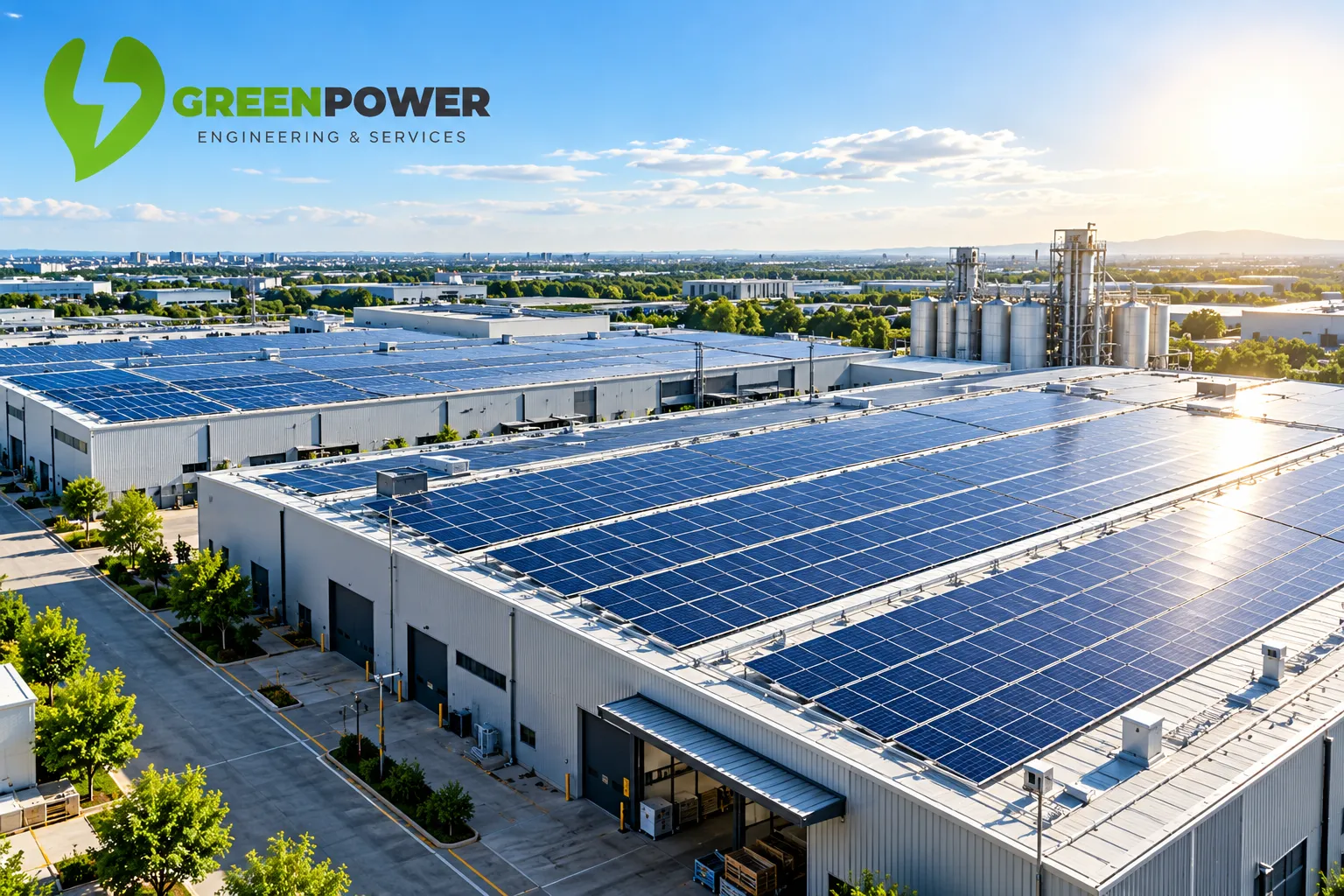
Manufacturing businesses must manage multiple resources to remain competitive, from raw materials and labour to machinery, warehouse space, and transportation. Electricity connects many of these activities. It powers production lines, ventilation, compressors, pumps, lighting, cooling equipment, and the systems that keep industrial operations running.
When electricity consumption is not properly managed, businesses may struggle to control operating expenses and plan future investments. For factories in Pakistan, developing a more structured energy strategy can help management understand where electricity is used and how alternative energy sources may support daily operations.
Industrial Solar Projects offer an opportunity to generate electricity at the facility and make productive use of available sunlight. When designed around a factory’s consumption patterns, solar generation can supply a portion of daytime electricity demand and reduce reliance on grid electricity.
For Green Power Engineering Solutions, the key to a suitable industrial solar solution is understanding the facility first. Energy requirements, production schedules, available installation space, electrical infrastructure, and future expansion plans all influence the right system design.
Why Industrial Solar Projects Are Important for Pakistani Businesses
Electricity is a major operational consideration for many factories, processing facilities, warehouses, and manufacturing plants. A business that understands its energy consumption can make better decisions about equipment use, production scheduling, and long-term infrastructure investments.
Industrial Solar Projects in Pakistan can support this process by adding an on-site source of electricity. During periods of solar generation, a suitable system can supply part of the factory’s electrical demand, depending on its capacity and the facility’s load at that time.
The value of solar generation varies by industry. A factory operating mostly during daylight hours may use a larger share of its solar electricity directly than a facility whose main production activities occur at night. Seasonal demand, shading, roof orientation, equipment performance, and electricity tariffs also influence the result.
Rather than choosing a system based on capacity alone, industrial decision-makers should evaluate how solar generation will fit into the facility’s existing energy strategy.
Understand Where Your Factory Uses Electricity
Before investing in Industrial Solar Solutions, a business should develop a clear picture of its electricity consumption. This allows the proposed solar system to be matched to actual operating requirements.
Review Electricity Bills and Consumption Patterns
Electricity bills provide an initial overview of consumption and costs. Where interval data is available, it can provide additional detail about when the facility draws the most power.
Management should review working hours, production shifts, seasonal changes, and periods of high demand. These details help determine whether solar generation is likely to align with the facility’s main operating hours.
For example, a factory that runs several production lines throughout the day may have different requirements from a warehouse that mainly uses lighting and material-handling equipment. Both may benefit from solar, but the system design and expected electricity use can differ significantly.
Identify High-Consumption Equipment
Industrial machinery, air compressors, pumps, cooling equipment, and ventilation systems can contribute significantly to electricity consumption. Identifying these loads helps facility managers understand where energy is being used and whether operational improvements may be possible.
The objective is not necessarily to reduce production. Instead, businesses can evaluate whether equipment schedules, maintenance routines, and operating practices can be improved without affecting product quality or output.
Combining these insights with solar planning can help create a more effective energy management strategy.
How Industrial Solar Power Can Support Daily Operations
Industrial Solar Power can contribute to factory operations by supplying electricity during suitable sunlight conditions. When solar output aligns with the facility’s demand, the business can use the generated power directly instead of drawing the same amount from the grid.
This may help businesses manage daytime electricity purchases and understand how much of their demand can be supplied by on-site generation.
However, solar output changes with weather, sunlight, shading, panel temperature, and equipment performance. Factories should therefore plan around expected generation patterns rather than assume the system will supply a constant amount of electricity throughout the day.
Solar generation also does not automatically provide backup during outages. A standard grid-connected inverter generally shuts down when the grid fails for safety reasons. If a facility needs backup power, the system must be designed with suitable storage and backup equipment.
Selecting the Right Industrial Solar System
A suitable Industrial Solar System should reflect the factory’s electrical requirements, available installation area, budget, and operational priorities. The main configurations offer different capabilities.
On-Grid Industrial Solar Systems
An on-grid system connects solar generation to the facility’s electrical network while maintaining a connection to the utility grid. Solar electricity can supply factory loads when generation is available, and the grid can provide additional power when required.
This configuration may be suitable for facilities with significant daytime consumption that want to offset a portion of their grid electricity use without installing batteries.
Businesses should assess their load patterns and current utility requirements before finalising the design. Any arrangement for exporting surplus electricity must be evaluated according to applicable regulations and utility approvals.
Hybrid Industrial Solar Systems
A hybrid system combines solar panels with battery storage and, where applicable, grid electricity. Depending on its design, it can provide backup to selected loads during grid interruptions.
Factories should identify which equipment needs to remain operational during an outage and how long that equipment must run. Supporting essential controls or communication equipment may require considerably less storage than powering heavy machinery or a complete production line.
Battery capacity, inverter output, load-starting requirements, and operating duration should be evaluated before selecting this configuration.
Off-Grid Industrial Solar Systems
An off-grid system operates independently of the utility grid and generally requires batteries to provide electricity when solar generation is unavailable.
This option may be considered for remote industrial sites or facilities without practical access to a dependable grid connection. Because production requirements can be substantial, the design must account for seasonal sunlight, energy demand, storage capacity, and backup arrangements.
A detailed technical assessment is essential before deciding whether an off-grid solution is suitable.
Industrial Rooftop Solar: Use Existing Space More Effectively
Many factories and warehouses have large roof areas that may be suitable for solar panel installation. Industrial Rooftop Solar can help businesses use existing property for electricity generation without necessarily allocating additional land for a solar installation.
However, roof availability is only one part of the assessment. The building’s structural strength, roof condition, waterproofing, drainage, shading, wind exposure, and maintenance access must also be evaluated.
The panel layout should account for skylights, ventilation equipment, walkways, and other rooftop installations. Appropriate mounting structures and safe cable routing are important for protecting both the building and the solar equipment.
If the roof is unsuitable, the business may investigate a suitable ground-mounted arrangement or another installation area. The final decision should be based on a professional site assessment.
Solar Power for Factories Across Different Industries
Industrial facilities have different operating conditions, so their solar requirements should be evaluated individually.
Textile and Garment Manufacturing
Textile facilities may use electricity for production machinery, motors, ventilation, lighting, and supporting equipment. Energy demand can vary according to production schedules, machinery type, and seasonal activity.
A solar assessment should examine when these loads operate and how much daytime electricity demand can be matched by solar generation.
Food Processing and Packaging
Food processing businesses may require electricity for processing equipment, packaging lines, refrigeration, pumps, and ventilation. Some operations have strict production and storage requirements that make reliable energy planning especially important.
Solar generation can contribute to daytime demand, while any requirement for outage protection should be evaluated separately. Battery-backed systems must be designed around the loads that genuinely require backup.
Warehousing and Logistics
Warehouses may use electricity for lighting, ventilation, office areas, cooling systems, and material-handling equipment. Where a building has suitable roof space, Industrial Rooftop Solar may be an option worth evaluating.
The design should consider occupancy schedules, daytime equipment use, roof condition, and future changes to the building.
Engineering and General Manufacturing
Manufacturing workshops may operate cutting equipment, motors, compressors, pumps, and assembly systems. Their electricity requirements can change as production volumes and machinery use change.
An energy assessment can help management understand these patterns and determine whether solar generation can contribute meaningfully to the facility’s energy needs.
Industrial Solar Installation: Plan Around Production Requirements
Industrial projects require careful coordination because installation work may affect roof access, electrical equipment, material movement, and normal business activities.
A well-organised Industrial Solar Installation begins with site planning and an agreed scope of work. The installation team should coordinate with factory management to identify work areas, delivery schedules, safety procedures, electrical shutdown requirements, and commissioning arrangements.
Where practical, work can be scheduled around planned maintenance or lower-activity periods. Electrical connections and testing should be carried out by qualified personnel using appropriate safety procedures.
Before the system is placed into operation, the relevant inspections and commissioning checks should be completed. The factory team should receive operating guidance, equipment documentation, and maintenance recommendations.
The overall timeline depends on system capacity, site conditions, equipment availability, structural work, and any required utility approvals.
Improve Industrial Energy Management Through Monitoring
Installing solar panels is only one part of an effective industrial energy strategy. Businesses also need a way to understand how the system performs and how its electricity generation relates to production activity.
Industrial Energy Management can include monitoring solar output, reviewing electricity consumption, maintaining equipment, and identifying opportunities to improve operational efficiency.
Monitoring data may help facility managers recognise unexpected changes in generation. These can result from dust accumulation, shading, equipment alerts, or technical faults. Investigating these issues promptly can help the business maintain suitable system performance.
Regular reviews can also reveal whether changes in production schedules affect the proportion of solar electricity used directly. For example, a factory that introduces additional daytime shifts may have a different solar consumption profile from one that moves production into the evening.
Maintenance should follow equipment manufacturer recommendations and site safety requirements. Cleaning, inspections, and electrical servicing should be performed safely by appropriately qualified personnel.
Evaluate the Financial Value of Industrial Solar Projects
The financial value of Industrial Solar Projects in Pakistan depends on the relationship between installation costs, solar generation, electricity consumption, and applicable tariffs.
Businesses should consider the complete installed cost, expected generation, maintenance expenses, financing costs, and possible equipment replacement. The amount of solar electricity consumed directly by the factory is particularly important when assessing potential savings.
Surplus electricity exported to the grid may be treated differently from electricity consumed on-site. Businesses should verify the current regulations, utility requirements, and approval arrangements that apply to their facility.
A useful financial assessment should explain its assumptions and consider different scenarios, such as changes in operating hours, future production growth, or electricity prices. It should not rely on guaranteed savings or payback periods without supporting calculations.
By comparing realistic scenarios, management can determine whether a proposed system aligns with its financial objectives and operational requirements.
Why Equipment Quality and Professional Design Matter
Large-scale installations require compatible equipment and a sound electrical design. Solar panels, inverters, mounting structures, cables, connectors, protection devices, and monitoring equipment all contribute to system safety and performance.
For Large-Scale Solar Systems, the design should account for the factory’s existing electrical infrastructure and the appropriate point of connection. Depending on the project, the work may involve distribution boards, transformers, switching arrangements, earthing, and electrical protection.
Businesses should request clear equipment specifications, warranty details, and installation scope before approving a project. The proposal should explain what is included, what additional work may be required, and what technical support is available after commissioning.
Professional installation and regular maintenance help support dependable operation over the system’s service life.
How Green Power Engineering Solutions Can Help
Choosing a solar provider is an important step in developing an industrial energy strategy. A suitable provider should understand the factory’s requirements and propose a solution that reflects the building, electrical infrastructure, and intended use of the generated power.
Green Power Engineering Solutions provides solar energy solutions for residential, commercial, and industrial requirements. Its approach includes customized solar planning, quality equipment, professional installation, and customer support.
For businesses considering Industrial Solar Projects, the process should begin with an assessment of electricity usage, operating schedules, installation space, and any backup requirements. This information can help establish an appropriate system configuration and provide a stronger basis for evaluating the project.
Whether the objective is to offset daytime electricity consumption, use rooftop space productively, or explore backup for selected loads, the proposed system should be based on the factory’s actual needs.
Frequently Asked Questions
1. What should a factory consider before starting an Industrial Solar Project?
A factory should review electricity bills, operating schedules, high-consumption equipment, available rooftop or ground space, electrical infrastructure, budget, and future expansion plans. These factors help determine an appropriate system size and configuration.
2. Can Industrial Solar Power reduce factory electricity expenses?
Industrial Solar Power may reduce grid electricity consumption when solar generation supplies factory loads. The actual financial benefit depends on system capacity, daytime demand, equipment performance, electricity tariffs, and the amount of generated power used directly by the facility.
3. How can I arrange an Industrial Solar Installation in Pakistan?
Start by gathering recent electricity bills and basic information about the facility’s operating schedule and installation area. Green Power Engineering Solutions can help assess your requirements and explore a customized industrial solar proposal.
Take the Next Step Toward Smarter Industrial Energy Management
A well-planned solar installation can help your business make more informed energy decisions and explore ways to improve electricity management. With customized Industrial Solar Projects, factories can evaluate on-site generation, make better use of suitable roof space, and align energy planning with their operational goals.
Contact Green Power Engineering Solutions to discuss your factory’s electricity requirements, arrange a site assessment, and request a project-specific proposal. Build an energy strategy around your production needs and long-term business priorities.
Related Reading
Expert Insights: Navigating the Complex World of Home Improvement
Welcome to our in-depth exploration of Home Improvement. In an era defined by ra...
Why Home Improvement is Transforming the Global Industry Landscape
Welcome to our in-depth exploration of Home Improvement. In an era defined by ra...