Induction Motor Manufacturer in India Buy Industrial
By Altra Moters
7 Views
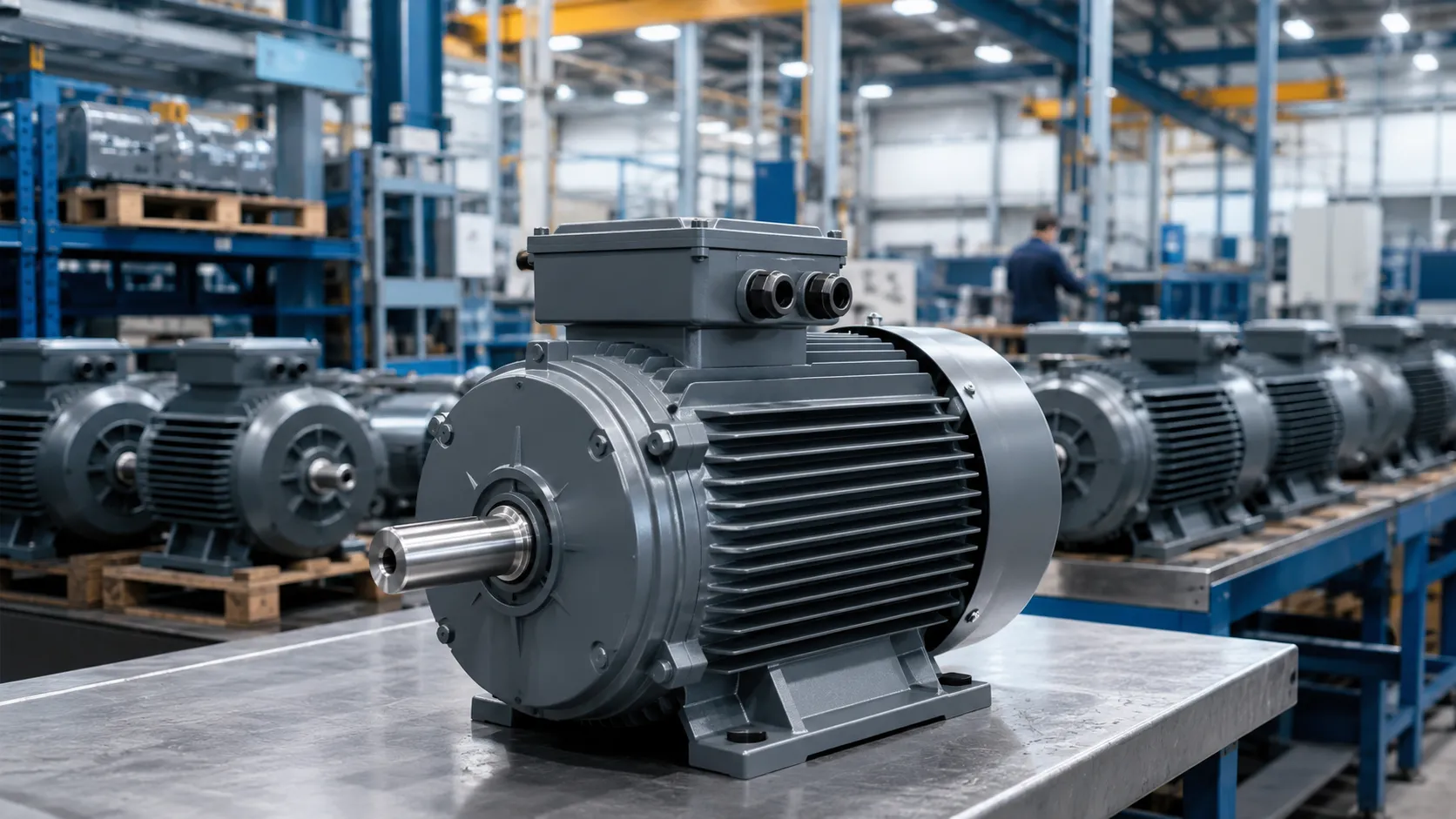
A procurement manager once told us he rejected an entire shipment because the motors ran 11°C hotter than the approved sample during continuous load testing. That is the kind of problem an Induction Motor can create when the supplier focuses on price first and process control second. The majority of industrial buyers are not seeking the lowest price. They want a motor that can be started reliably, that will stay efficient under load, and that comes with documentation that will satisfy maintenance teams and auditors.
That is where many sourcing decisions go wrong.
A surprising number of buyers compare only the nameplate rating and unit cost.They never enquire about winding insulation class, rotor balancing records, or whether the supplier performs full load testing prior to dispatch. Those details decide if the motor will run for years, or be a warranty dispute in months.
Specifications that really count in production
Most industrial applications in India need motors that can withstand fluctuating voltage, exposure to dust and long running hours. Those conditions should be addressed directly on a specification sheet.
Common Configurations
Core specs
Specification
Typical Range
Power rating
0.25 HP to 50 HP
Voltage
230V / 415V / 440V
Frequency
50 Hz
Speed
750 / 1000 / 1500 / 3000 RPM
Insulation
Class F
Protection
IP55
Duty cycle
S1 Continuous
Mounting
Foot / Flange
Types Available
Application based
- Three-phase induction motors
- Single-phase induction motors
- Flange-mounted motors
- Foot-mounted motors
- High-efficiency industrial motors
The Specification Buyers Commonly Overlook
Critical
Bearing brand and grease type.
We have seen motors fail within 8 months because the supplier substituted a lower-grade bearing during production. The nameplate remained identical. The bearing did not.
Which means a proper RFQ should request bearing make, insulation class, and test report format not just voltage and HP.
Five Questions That Expose Weak Suppliers
- Can you provide full-load test reports?
- Bad answer: “We test samples from each batch.” That usually means your motor may not have been tested.
- What is the insulation class and temperature rise limit?
- Bad answer: “Standard quality.” If the supplier cannot state Class F or Class H, walk away.
- What is your warranty claim process?
- Bad answer: “We handle defects case by case.” That is not a policy. That is future negotiation.
- Can you maintain specification consistency across repeat orders?
- Bad answer: “Minor changes may happen.” Minor changes in winding wire or bearings become major maintenance costs.
- What is the actual production lead time?
- Bad answer: “About a week.” Serious Induction Motor Manufacturers will specify dispatch windows, testing time, and packaging schedules.
How the Right Motor Protects Your Margin
- Lower energy consumption: IE2 and IE3 efficiency motors can reduce power usage by 3–8% compared with older designs.
- Less downtime: Better winding insulation keeps things from overheating during constant operation.
- Lower maintenance inventory: Standard bearing and seal specs simplify spare stocking.
- Consistent production output: Motors are balanced to reduce vibration and wear on couplings.
- Lower Replacement Cost: A motor that reliably lasts 5-7 years is cheaper than replacing a cheaper unit every 18 months.
- Better audit compliance: Test report documentation is valuable in customer audits and vendor audits.
Availability Across India: More Than a Location Advantage
Buyers searching for Induction Motor Manufacturers in India often focus only on factory location. Logistics is the bigger issue.
For example, shipments moving from industrial hubs in North India can typically reach Delhi NCR within 1–2 days, Gujarat within 3–4 days, and major South Indian manufacturing clusters within 5–7 days, depending on transport mode.
That is why many procurement teams work with Induction Motor Suppliers in India who maintain predictable dispatch schedules instead of simply offering lower ex-factory pricing.
We also see increasing demand from regional distributors and Induction Motor Dealers in India who need consistent model availability for OEM and replacement markets.
About Altra Motors
We manufacture industrial motors for OEMs, distributors, and bulk procurement buyers across India. Our production process includes winding inspection, rotor balancing, and load testing before dispatch.
One operational detail most buyers never see: we segregate motors by test status before packaging because mixing tested and untested inventory is one of the fastest ways to create dispatch errors during peak production weeks.
We have learned that repeat business comes from consistency, not from offering the lowest quotation on the first order.
Request Pricing, Specifications, and Delivery Schedule
For bulk requirements, send us:
- HP or kW rating
- Voltage and phase
- RPM requirement
- Mounting type
- Expected monthly quantity
- Delivery location
At Altra Motors, we respond to technical enquiries within one business day for standard models. MOQ starts from 25 units for distributor orders and may vary for customized specifications.
Conclusion
The right Induction Motor is more than a component buy. It is a decision that impacts energy cost, maintenance planning, production uptime and customer commitments. Buyers who consider testing procedures, documentation and specification consistency, tend to pay less over the lifetime of the equipment. As industrial automation spreads across India, the difference between a low-cost motor and a reliable industrial motor will become even more apparent.
Frequently Asked Questions
1. What should I check before buying an Induction Motor?
Most important
Check the insulation class, efficiency rating, bearing details, IP rating and whether the supplier can provide full load test reports. Most buyers look at only HP and price and that is usually where the problems start.
2. How do I know if Induction Motor Manufacturers are trustworthy?
Request full load test certificates, insulation class, warranty conditions and delivery history on previous orders. You can get clear answers and documentation from a reliable manufacturer. If the answer is “standard quality” or “we will take care of it later,” that is often a warning sign.
3. Do Induction Motor Suppliers Offer Custom Specifications?
Yeah. Many Induction Motor Suppliers will modify voltage, RPM, mounting type, shaft dimensions, and duty cycle to meet a particular application. Custom orders tend to take longer than stock models so it is worth checking the production schedule before issuing a purchase order.
4.What is the difference between Induction Motor Dealers and manufacturers?
Induction Motor Dealers normally stock finished motors and supply them to the local markets whereas manufacturers are responsible for the actual production, testing and specification control. For OEM projects, repeat production runs or private-label needs, working directly with the manufacturer often provides more control of quality and consistency.
5. Are motors from Induction Motor Manufacturers in India suitable for export?
They can be, if the motors meet the efficiency standards and certification requirements of the destination country. Foreign buyers should pay attention to the packaging specifications, voltage compatibility and customs documentation before the goods are shipped. Missing paperwork results in delays more often than many buyers expect.
6. Why do some Induction Motor Dealers in India quote significantly lower prices?
Watch out
Sometimes the lower quote reflects different bearings, thinner winding wire, lower insulation class, or reduced testing. A price difference of 6–10% can become much more expensive if the motor fails during continuous production.
Related Reading
Top 10 Hidden Secrets About Business & Finance You Need to Know
Welcome to our in-depth exploration of Business & Finance. In an era defined...
Why Business & Finance is Transforming the Global Industry Landscape
Welcome to our in-depth exploration of Business & Finance. In an era defined...