Indoor Dome Cameras: A Practical Guide to Smarter Indoor Security
By abcom africa
27 Views
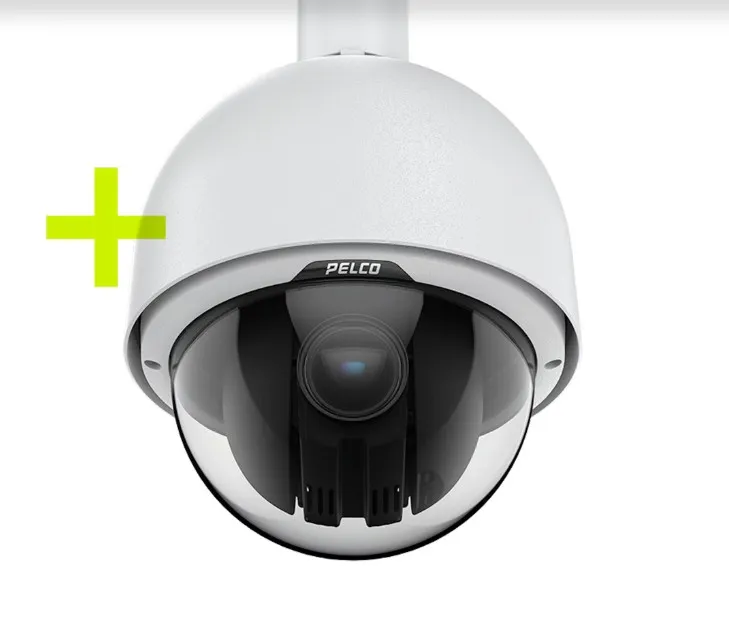
Indoor security has become an important consideration for businesses, offices, retail stores, schools, hotels, healthcare facilities, and other public or commercial spaces. While security requirements can vary from one environment to another, having clear visibility inside a property is often an essential part of a well-planned security setup.
An indoor dome camera offers a practical way to monitor indoor areas while maintaining a compact and relatively unobtrusive appearance. Its dome-shaped design, flexible installation options, and range of surveillance features make it suitable for monitoring entrances, corridors, reception areas, workspaces, retail floors, and other indoor locations.
But choosing a camera is not simply about installing one wherever there is an empty ceiling or wall. Understanding how indoor surveillance works and what features matter can help businesses build a more effective security system.
What Is an Indoor Dome Camera?
An indoor dome camera is a surveillance camera enclosed within a rounded, dome-shaped housing. It is generally designed for installation on ceilings or walls and is commonly used in areas where discreet monitoring is preferred.
The dome enclosure provides a clean appearance while helping protect the camera components from accidental contact. Depending on the model, the camera may offer features such as high-resolution imaging, wide-angle coverage, infrared illumination, motion detection, digital zoom, and network connectivity.
Unlike traditional box-style cameras, dome cameras are often designed to blend more naturally into indoor environments.
Why Are Dome Cameras Popular for Indoor Security?
The design of a surveillance camera can influence both its practicality and appearance.
A dome camera can be useful when businesses want effective monitoring without making the camera the visual focus of a room.
Some common advantages include:
1. Compact Design
Indoor spaces often have limited installation areas. A compact dome camera can fit neatly into ceilings, walls, or other suitable locations without occupying much physical space.
This makes it suitable for offices, shops, reception areas, classrooms, corridors, and other environments where space and aesthetics matter.
2. Wide-Area Monitoring
Many indoor dome cameras are designed with wide viewing angles. This allows one camera to cover a relatively broad area depending on the lens and installation position.
Proper placement can help reduce blind spots and provide better visibility across important areas.
3. Discreet Appearance
The rounded housing gives dome cameras a less intrusive appearance compared with some larger surveillance systems.
This can be particularly useful in customer-facing environments such as retail stores, hotels, offices, and reception areas.
4. Flexible Installation
Dome cameras can often be installed on ceilings or walls depending on the design of the camera and the requirements of the space.
Ceiling installation is particularly useful in areas where monitoring from above provides a clearer view of people and activities.
Where Can Indoor Dome Cameras Be Used?
The versatility of indoor dome cameras makes them suitable for many applications.
Offices
Businesses can use cameras to monitor entrances, reception areas, corridors, common spaces, and other appropriate areas.
The goal is not simply to record everything happening inside an office. Instead, cameras can help improve situational awareness and provide useful footage when an incident needs to be reviewed.
Retail Stores
Retail environments can benefit from surveillance across entrances, aisles, checkout areas, and storage spaces.
Strategically positioned cameras can help provide visibility across customer and operational areas.
Schools and Educational Facilities
Indoor cameras can be used in corridors, entrances, common areas, and other appropriate locations within educational facilities.
They can support overall campus security while helping authorized personnel review incidents when necessary.
Hotels
Hotels typically have multiple indoor areas that require monitoring, including reception spaces, corridors, elevators, and common areas.
Dome cameras can provide surveillance while maintaining a professional appearance that fits hospitality environments.
Healthcare Facilities
Hospitals and clinics have complex security requirements. Depending on privacy policies and applicable regulations, indoor surveillance may be used in entrances, corridors, waiting areas, and other suitable locations.
Camera placement should always take privacy requirements into consideration.
Important Features to Consider
Not every indoor dome camera offers the same capabilities. Before choosing a model, it is important to consider the environment and the type of monitoring required.
High-Resolution Video
Image quality is one of the most important factors.
A camera with higher resolution can provide greater detail, which may be useful when reviewing recorded footage. However, resolution should be considered alongside lighting, lens quality, storage capacity, and network performance.
Low-Light Performance
Indoor lighting can change throughout the day.
Some areas may have bright artificial lighting, while others may become relatively dark after working hours. Cameras with good low-light performance can help maintain useful visibility in challenging lighting conditions.
Infrared Night Vision
If monitoring is required after dark, infrared capabilities can be useful.
Night vision allows compatible cameras to capture images in low-light or dark environments, helping extend surveillance beyond normal business hours.
Wide Dynamic Range
Indoor environments can sometimes have significant differences between bright and dark areas. For example, a camera facing an entrance may capture both indoor lighting and strong daylight coming through a glass door.
Wide Dynamic Range, or WDR, can help the camera produce more balanced images in such situations.
Motion Detection
Motion detection can help identify activity within the camera's field of view.
Instead of treating every second of recorded footage equally, motion-based features can help highlight periods when activity occurred, depending on how the system is configured.
Network Connectivity
Many modern surveillance cameras use network connectivity to communicate with recording systems or management platforms.
This can make it easier for authorized users to manage multiple cameras from a centralized system.
Dome Camera vs. Other Indoor Cameras
The right camera depends on the application.
A dome camera is often preferred where a compact and discreet installation is important. Other camera formats may be better suited to specific environments.
For example, a larger camera may be appropriate where long-distance monitoring is required, while a specialized camera may be preferable for environments with unusual lighting or specific viewing requirements.
Rather than choosing a camera based only on its appearance, consider:
- Area that needs to be monitored
- Required viewing angle
- Lighting conditions
- Mounting location
- Required image detail
- Recording requirements
- Network infrastructure
- Storage requirements
- Privacy considerations
- Future expansion
Proper Placement Matters
Even a technically advanced camera cannot provide effective coverage if it is poorly positioned.
Before installation, identify the areas that require monitoring and consider potential blind spots.
For example, cameras near entrances should ideally provide a useful view of people entering and leaving. Cameras in corridors should be positioned to maximize visibility along the passage without unnecessarily covering private areas.
It is also important to consider lighting. Avoid placing cameras directly opposite extremely bright light sources unless the camera has suitable capabilities for handling such conditions.
Connecting Cameras to a Larger Security System
An indoor dome camera does not necessarily operate as an isolated device.
Modern surveillance environments can combine cameras with recording systems, network equipment, monitoring software, access control, alarms, and other security technologies.
This creates a more connected approach to security.
For larger facilities, centralized management can make it easier for authorized personnel to monitor multiple areas, review footage, and manage cameras from one location.
This can become especially valuable as the number of cameras increases.
Think About Storage Before Installation
Video surveillance generates data continuously, so storage should be considered before deploying cameras.
Storage requirements can depend on several factors, including:
- Number of cameras
- Video resolution
- Recording duration
- Frame rate
- Compression technology
- Continuous or motion-based recording
- Retention requirements
A small installation may require relatively limited storage, while a large commercial property may generate substantial amounts of video data.
Planning storage in advance can help prevent unexpected limitations later.
Privacy Should Be Part of the Planning Process
Security cameras can improve visibility, but surveillance should always be implemented responsibly.
Businesses should consider applicable privacy laws, organizational policies, signage requirements, access restrictions, and data retention practices.
Cameras should not be installed in areas where monitoring would create inappropriate privacy concerns.
Access to recorded footage should also be restricted to authorized personnel wherever appropriate.
The Role of Indoor Surveillance in Modern Security
Indoor security is no longer only about recording video.
Modern surveillance systems can provide organizations with greater awareness of what is happening within their facilities. Depending on the technologies involved, video systems can be integrated with analytics, access control, alarms, and other security tools.
An indoor dome camera can therefore become one component of a broader security ecosystem.
The important point is to focus on the overall objective rather than simply choosing a camera with the highest number of features.
Final Thoughts
An indoor dome camera can be a practical solution for organizations that need reliable indoor visibility without installing bulky equipment.
Its compact design, flexible mounting options, wide-area coverage, and availability of modern imaging features make it suitable for many environments, from offices and retail stores to educational institutions and hospitality spaces.
However, effective surveillance depends on more than the camera itself. Proper placement, lighting, network connectivity, recording, storage, privacy, and ongoing system management all play an important role.
When these elements are planned together, indoor surveillance can become a valuable part of a modern security strategy—providing clearer visibility today while creating a foundation that can adapt to future security requirements.