The Importance of Specialized Eye Care for Long-Term Vision Health
17 Views
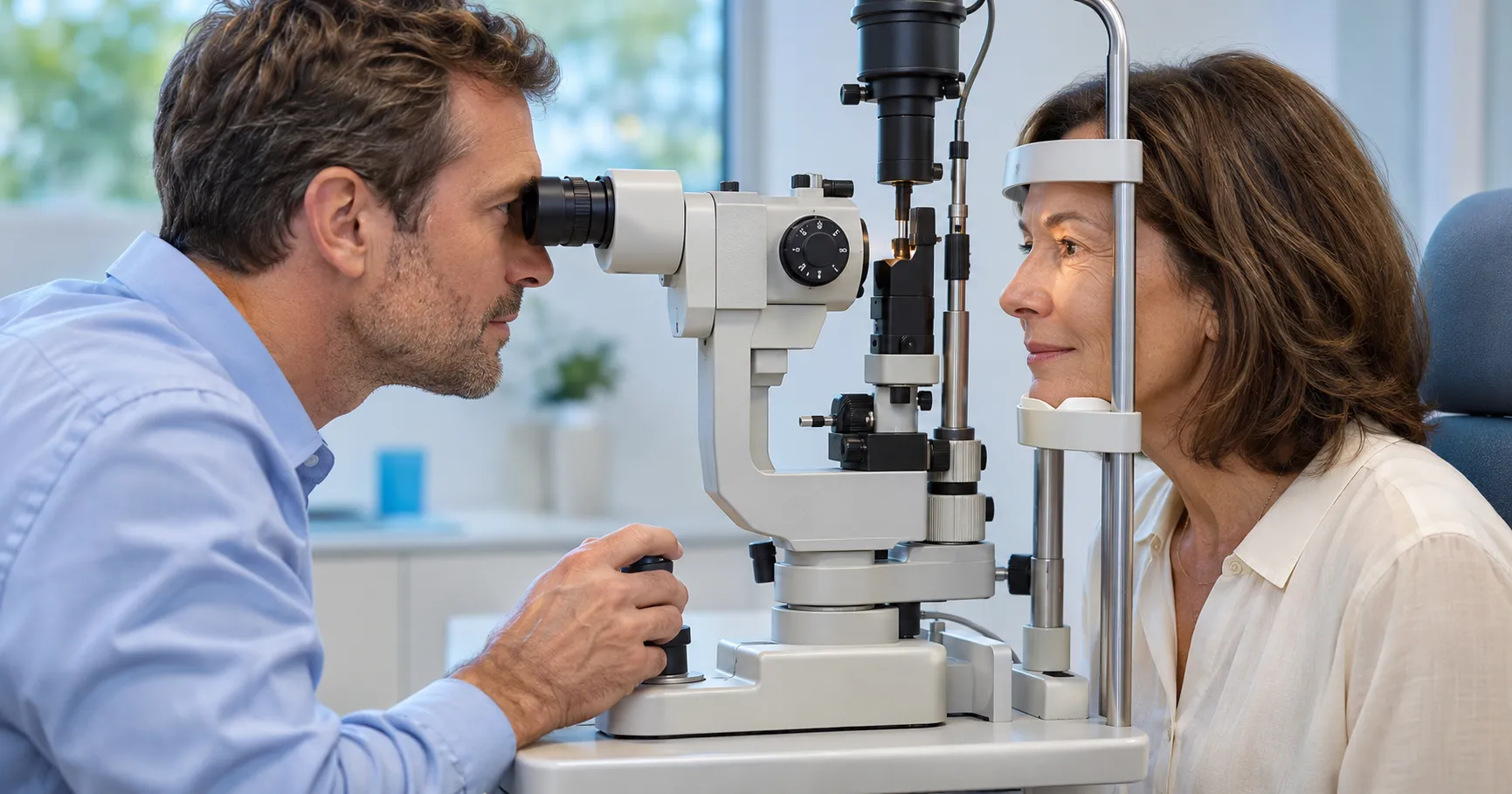
Healthy eyesight plays an essential role in everyday life, from reading and driving to working, learning, and enjoying time with family. However, maintaining good vision involves more than simply having clear eyesight. It requires regular monitoring, preventive care, and professional attention to detect potential problems before they affect daily activities. This is where specialized eye care becomes particularly important.
Different eye conditions can develop gradually, sometimes without noticeable symptoms during their early stages. Comprehensive eye examinations and personalized treatment approaches help identify these concerns and support long-term visual wellness. For individuals experiencing more complex vision problems, learning about options such as Eye Surgery San Antonio can also provide insight into available treatments. Understanding the importance of professional eye care can help individuals make informed decisions about protecting their eyesight at every stage of life.
Understanding the Importance of Long-Term Vision Health
Vision health is closely connected to overall well-being. Healthy eyes allow people to remain independent, perform daily tasks comfortably, and maintain an active lifestyle. However, several factors can influence eyesight over time, including aging, genetics, underlying health conditions, environmental exposure, and lifestyle habits.
Some common factors that may affect eye health include:
- Aging: Natural changes in the eyes can increase the likelihood of developing cataracts, glaucoma, and age-related macular degeneration.
- Family history: Certain eye conditions have genetic components, making regular screenings especially important for individuals with a family history of vision problems.
- Digital screen exposure: Extended computer, smartphone, and tablet use may contribute to digital eye strain, dryness, and temporary blurred vision.
- Chronic health conditions: Diabetes and high blood pressure can affect the blood vessels and structures responsible for healthy vision.
- Environmental factors: Ultraviolet radiation, dust, smoke, and prolonged exposure to dry environments may contribute to eye discomfort and other concerns.
Recognizing these influences helps individuals understand why routine eye care should remain a priority throughout their lives.
Why Specialized Eye Care Makes a Difference
General vision screenings can identify certain eyesight problems, but they do not always provide a complete assessment of eye health. Specialized eye care focuses on evaluating specific conditions, understanding individual risk factors, and determining appropriate management strategies.
Eye care professionals may have additional training and expertise in areas such as retinal disorders, glaucoma, corneal conditions, pediatric vision, and complex eye diseases.
Specialized attention offers several important benefits:
- More accurate assessments: Detailed examinations can help identify subtle changes that may not be detected through basic vision testing.
- Early disease detection: Certain eye conditions develop without obvious warning signs, making professional monitoring essential.
- Personalized care plans: Treatment and monitoring recommendations can be adapted to an individual's age, medical history, symptoms, and risk factors.
- Ongoing condition management: Patients with existing eye diseases may benefit from regular evaluations to monitor progression and treatment effectiveness.
- Better understanding of eye health: Professional guidance helps individuals recognize symptoms, risk factors, and preventive measures.
This targeted approach supports more informed decisions about preserving eyesight over the long term.
Common Eye Conditions That Require Professional Attention
Several eye conditions can affect vision quality and, in some cases, lead to permanent vision loss if left untreated. Understanding these conditions can encourage individuals to seek timely evaluations.
1. Glaucoma
Glaucoma refers to a group of eye diseases that damage the optic nerve, often associated with increased pressure inside the eye. The condition may progress without noticeable symptoms during its early stages.
Regular eye pressure measurements, optic nerve evaluations, and visual field testing can help identify glaucoma. Early diagnosis and appropriate management are important for reducing the risk of further vision damage.
2. Cataracts
Cataracts develop when the eye's natural lens becomes cloudy, making it harder to see clearly. Common symptoms include blurred vision, increased sensitivity to light, difficulty driving at night, and faded color perception.
Although cataracts are commonly associated with aging, other factors such as certain medications, injuries, and medical conditions can also contribute to their development.
3. Age-Related Macular Degeneration
Age-related macular degeneration (AMD) affects the macula, the part of the retina responsible for central vision. It can make activities such as reading, recognizing faces, and seeing fine details more difficult.
Specialized retinal examinations help detect changes in the macula and determine whether further monitoring or treatment is necessary.
4. Diabetic Eye Disease
Diabetes can damage the small blood vessels in the retina, potentially leading to diabetic retinopathy and other vision complications. The condition may not cause noticeable symptoms until significant damage has occurred.
People living with diabetes should follow recommended diabetic eye screening schedules, even when their eyesight appears normal.
5. Dry Eye Disease
Dry eye occurs when the eyes do not produce enough tears or when tears evaporate too quickly. Symptoms may include burning, itching, redness, blurred vision, and a gritty sensation.
Professional evaluation can help determine the underlying cause and identify suitable management options.
The Role of Regular Comprehensive Eye Examinations
One of the most effective ways to support long-term eye health is through comprehensive eye examinations. These assessments evaluate more than visual sharpness. They also examine the structures and functions of the eyes to identify possible abnormalities.
Depending on individual needs, an examination may include:
- Visual acuity testing to assess how clearly a person sees.
- Refraction testing to determine the appropriate prescription for glasses or contact lenses.
- Eye pressure measurement to assess glaucoma risk.
- Retinal examination to identify changes in the back of the eye.
- Optic nerve assessment to evaluate signs of potential damage.
- Visual field testing to detect areas of reduced peripheral vision.
The frequency of examinations depends on age, existing conditions, medical history, and individual risk factors. People with diabetes, glaucoma risk, or other known eye conditions may require more frequent monitoring than those without additional risk factors.
How Lifestyle Choices Support Healthy Vision
Professional eye care is essential, but everyday habits also contribute to maintaining comfortable and healthy eyesight. Simple lifestyle adjustments can help reduce certain risks and support overall well-being.
Consider incorporating these habits into your daily routine:
- Eat a balanced diet: Include leafy green vegetables, colorful fruits, fish, nuts, and other nutrient-rich foods that provide vitamins and antioxidants.
- Protect your eyes from sunlight: Wear sunglasses that provide 100% UVA and UVB protection when outdoors.
- Follow the 20-20-20 rule: When using digital screens, look at something approximately 20 feet away for 20 seconds every 20 minutes.
- Maintain healthy blood sugar levels: Proper diabetes management can help reduce the risk of diabetic eye complications.
- Avoid smoking: Smoking is associated with an increased risk of certain eye diseases, including cataracts and macular degeneration.
- Stay physically active: Regular physical activity supports cardiovascular health, which is also important for healthy blood circulation.
- Get adequate sleep: Sufficient rest helps reduce eye fatigue and supports general health.
These habits work alongside professional examinations rather than replacing them.
Recognizing Warning Signs That Should Not Be Ignored
Some vision changes develop gradually, while others occur suddenly and require immediate medical attention. Understanding the difference can help prevent unnecessary delays in seeking care.
Contact an eye care professional if you experience:
- Persistent blurred or fluctuating vision.
- Frequent headaches associated with visual activities.
- Increased sensitivity to light.
- Ongoing redness, irritation, or eye discomfort.
- Difficulty seeing clearly at night.
- Changes in color perception or peripheral vision.
Seek immediate medical attention for sudden vision loss, new flashes of light, a sudden increase in floaters, a dark curtain or shadow across your vision, or severe eye pain. These symptoms can indicate serious conditions that require urgent evaluation.
Making Eye Health a Lifelong Priority
Protecting eyesight requires a consistent approach that combines preventive care, professional monitoring, and healthy daily habits. Specialized eye care helps identify potential concerns, evaluate complex conditions, and provide appropriate guidance based on individual needs.
Rather than waiting until vision problems interfere with everyday activities, individuals should make comprehensive eye examinations part of their long-term wellness routine. Paying attention to changes in eyesight, managing underlying health conditions, and following professional recommendations can all contribute to better visual outcomes.
Ultimately, maintaining healthy vision is an ongoing responsibility. Taking proactive steps today can help preserve visual function, support independence, and improve quality of life for years to come.