Ice Axes and Glory: What Makes Yala Peak So Special?
By Nadia Rossa
19 Views
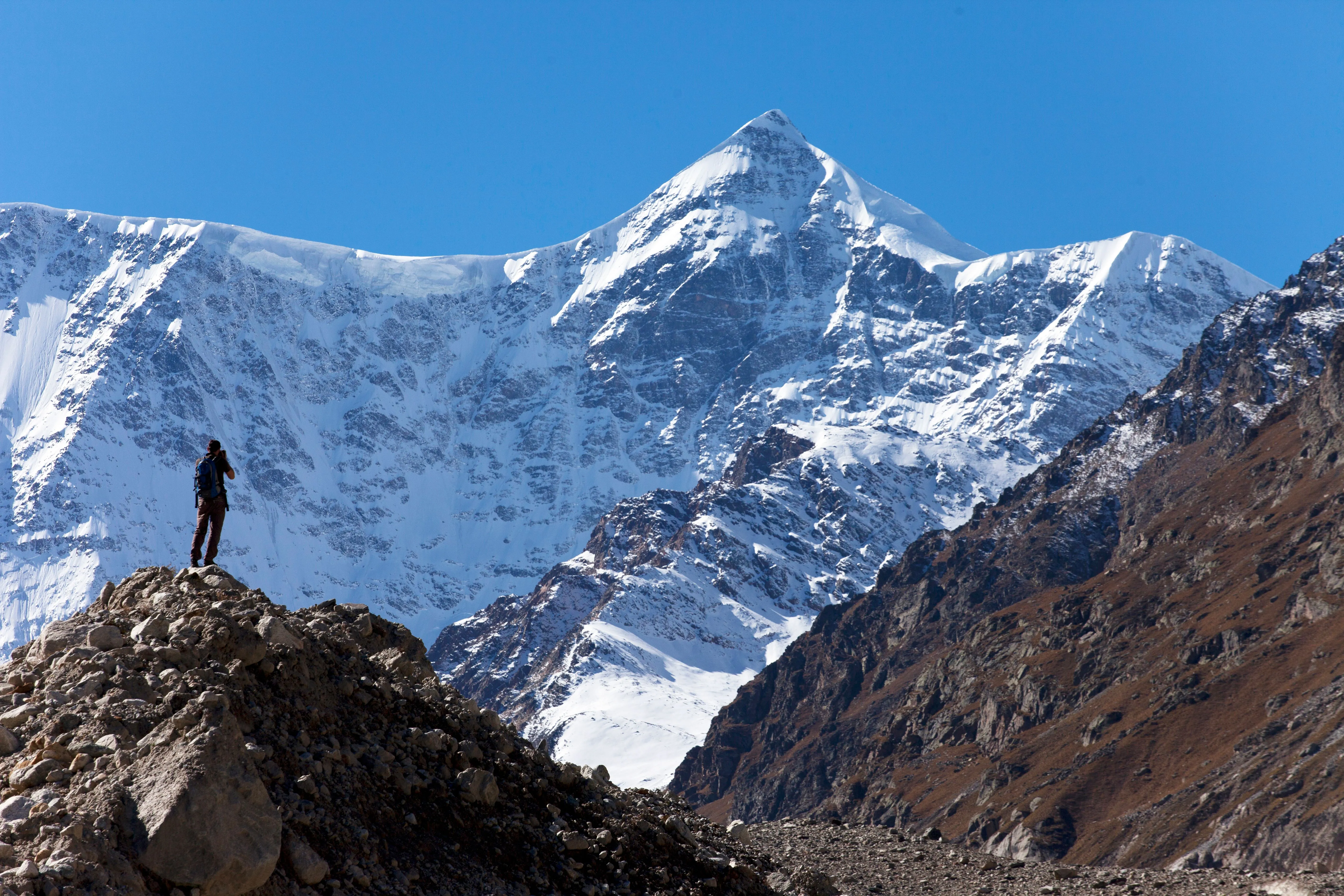
You have never worn crampons before. You have never held an ice axe. Yet here you are at sunrise, walking across a glacier with a rope on your harness. Above you sits a snowy summit. Behind you, Tibet stretches out forever. This is Yala Peak Climbing, and it turns ordinary trekkers into real mountaineers in just over a week.
No years of training. No huge budget. Just courage and a good team.
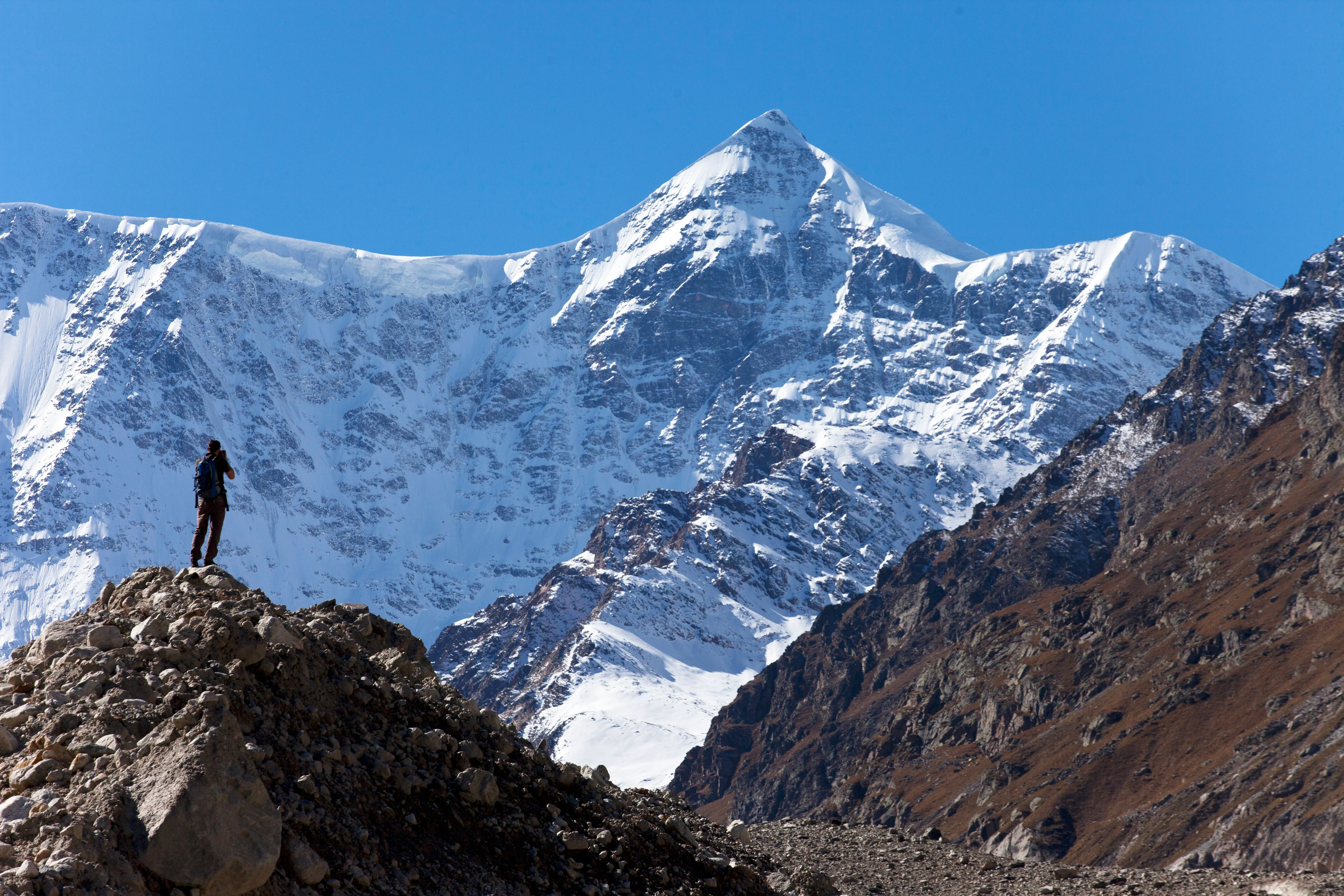
The Friendliest Summit in Nepal
Nepal has many trekking peaks, but most are tough. Island Peak has a steep headwall. Lobuche has a sharp, exposed ridge. Mera sits above 6,400 meters.
Yala Peak is different. There are no technical rock sections and no scary ladders. The route is mostly a long, steady snow walk.
That does not mean it is easy. The air is thin and the cold is real. But if you can hike for six hours a day, you can learn to climb this mountain.
Where It Stands
Yala Peak rises in the Langtang region, north of Kathmandu. It sits close to the Tibetan border, above the village of Kyanjin Gompa.
The approach is simple. You drive to Syabrubesi, then walk up the beautiful Langtang Valley. No domestic flights are needed, which saves both money and weather delays.
The Numbers You Should Know
A full Yala Peak climbing trip usually takes 10 to 14 days from Kathmandu. Total walking distance is roughly 80 to 90 kilometers round trip.
The summit stands at 5,520 meters, or 18,110 feet. Some maps list it slightly higher, near 5,732 meters.
You begin in Syabrubesi at about 1,460 meters. Kyanjin Gompa sits at 3,870 meters, and high camp rests near 4,800 meters. Summit day usually takes six to nine hours from high camp and back.
The View That Steals the Show
Here is Yala's secret weapon. From the top, you can see Shishapangma, an 8,027-meter giant that sits entirely inside Tibet.
Very few places in Nepal offer that view. You also see Langtang Lirung, Dorje Lakpa, Naya Kanga, and rows of unnamed white peaks.
On a clear morning, the whole Tibetan plateau spreads out below you like a brown ocean. It is a strange and beautiful sight.
The Walk In Is Half the Fun
The approach through Langtang Valley is a trek worth doing on its own.
You pass through thick forests where langur monkeys leap between branches. Rivers roar beside the path. Waterfalls drop from high cliffs.
Higher up, the valley opens into wide meadows filled with grazing yaks. Stone villages appear with prayer flags snapping in the wind.
Kyanjin Gompa is the highlight. It has an old monastery and a famous yak cheese factory. Resting here helps your body adjust to the altitude.
Learning the Skills
Most trips include a training day near base camp. Your guide teaches you the basics.
You learn how to walk in crampons without tripping. You practice using an ice axe. You learn to clip into a rope and move as a team.
It feels awkward at first. Then it clicks. By summit day, the gear starts to feel normal.
Climbing With Nepal Social Treks and Expedition
A strong team matters more than strong legs on any mountain.
Nepal Social Treks and Expedition organizes guided Yala Peak climbs from Kathmandu. Their packages usually include licensed climbing guides, climbing permits, Langtang National Park fees, group climbing gear, teahouse lodging, base camp tents, meals, and ground transport.
Their guides run a proper training session before the summit push. They also track your health daily and slow the pace when the altitude bites.
The company offers other adventures too, including Langtang Valley treks, Everest Base Camp, Mera Peak, and Island Peak. Contact them for current dates and prices, since seasons and rules change.
Best Time to Climb
Spring runs from March to May. Days grow warm and rhododendrons bloom in the lower valley.
Autumn runs from October to November. Skies are clearest and snow conditions are stable.
Winter brings brutal cold and deep snow. Monsoon brings rain, clouds, and poor visibility. Most teams skip both.
Who Should Try It?
You do not need past climbing experience. You do need good fitness and a calm mind.
Train with hill walks carrying a loaded pack. Build your legs and lungs for a few months before you travel.
Most of all, bring patience. Altitude does not care how strong you are.
Why It Stays With You
Ask anyone who has summited Yala what they remember most.
They rarely mention the height. They talk about the moment they first stood on a glacier. The sound of crampons biting into ice. The sunrise hitting Shishapangma.
Yala Peak does not just give you a summit. It gives you proof that you are a climber after all.