Hydromulch North Texas: Effective Erosion Control for Local Properties
By luca oscar
7 Views
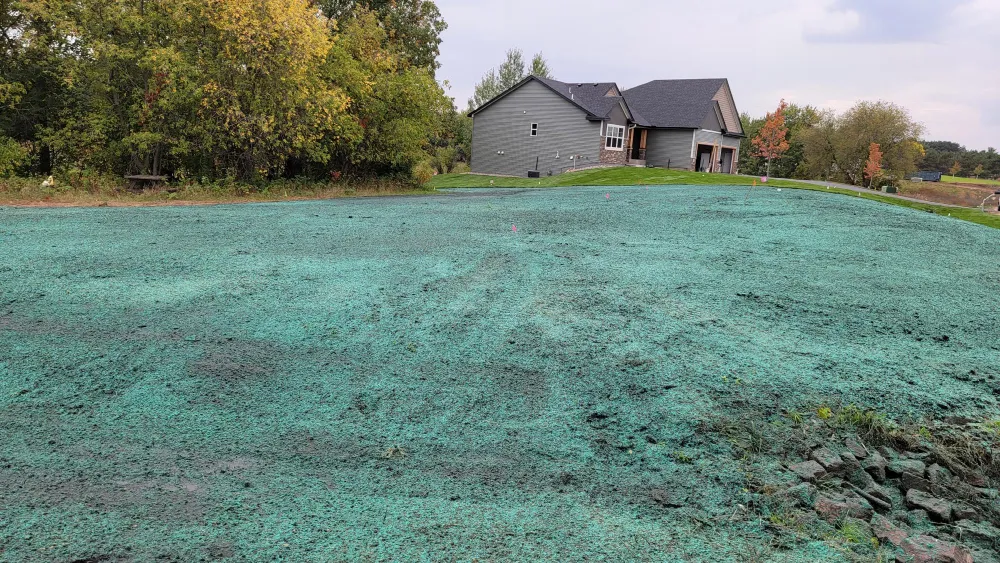
Erosion can quickly become a serious concern when North Texas properties have exposed soil, newly graded land, construction areas, or sloped terrain. Heavy rainfall can move loose soil, while hot and dry conditions can leave surfaces vulnerable to wind and further deterioration. Hydromulch North Texas provides a practical approach for protecting disturbed ground while supporting the establishment of healthy vegetation. The process uses a fiber-based slurry that can help cover exposed soil and retain moisture during the early stages of growth. When properly planned and professionally applied, hydromulching can improve surface stability and help property owners protect their landscapes from preventable soil loss.
What Is Hydromulch and How Does It Work?
Hydromulch is a spray-applied mixture designed to provide protective coverage over prepared soil. Depending on the project's goals, the mixture can contain water, wood or cellulose fiber, tackifying materials, seed, and other selected components. The fiber forms a protective layer across the soil surface, helping reduce the direct impact of rainfall and supporting moisture retention. When seed is included, the process can also encourage vegetation establishment as the plants develop roots. The exact mixture should be selected according to soil conditions, slope, vegetation requirements, weather, and the property's erosion-control needs.
Although the terms hydroseeding and hydromulching are sometimes used interchangeably, they can serve slightly different purposes. Hydroseeding generally emphasizes vegetation establishment by combining seed with mulch and other materials, while hydromulch can be applied primarily as a protective soil covering. Some hydromulch applications include seed, while others are designed specifically for erosion protection. Understanding this distinction helps property owners select a treatment based on their actual needs. A professional assessment can determine whether seeded hydromulch, hydroseeding, or another stabilization method is most appropriate.
Why North Texas Properties Need Erosion Protection
North Texas properties can experience changing weather conditions that place exposed soil under considerable stress. Strong rainfall can produce rapid runoff, particularly on slopes or recently graded surfaces where vegetation has not yet developed. Construction activities can make the problem worse by removing existing vegetation and disturbing the natural soil structure. Once erosion begins, small channels can become larger ruts, carrying soil toward drainage areas and lower sections of the property. Addressing exposed ground early can help prevent minor erosion problems from becoming more difficult and expensive to manage.
Heat and drought can create another challenge for properties waiting for vegetation to become established. Dry soil can lose moisture quickly, making it harder for newly planted seed to germinate and develop strong roots. A suitable mulch layer can help maintain more favorable moisture conditions around developing vegetation while providing surface coverage. However, hydromulch should not be considered a complete solution for every erosion problem. Severe drainage issues, concentrated water flow, unstable slopes, and highly compacted soil may require additional measures before or alongside the application.
Benefits of Hydromulch for Local Properties
One of the primary benefits of hydromulch is its ability to cover exposed soil efficiently across large or irregular areas. Applying loose mulch manually can require substantial labor, particularly on slopes or properties with extensive disturbed ground. Hydraulic equipment allows the prepared slurry to be distributed across the surface in a controlled application. The fiber layer can help protect soil from rainfall impact while supporting moisture retention during vegetation establishment. This makes hydromulch useful for residential landscapes, construction sites, commercial properties, acreage, and other areas where bare soil needs protection.
Hydromulch can also improve the appearance of a property while the longer-term landscape develops. Bare construction areas can make a newly completed project appear unfinished and can expose the property to continued erosion. Applying a suitable mulch mixture creates immediate surface coverage while vegetation begins developing underneath or within the treated area. As the plants establish, their roots can provide additional support for the soil. The combination of temporary surface protection and long-term vegetation can make hydromulch a valuable component of a broader landscape restoration or stabilization strategy.
Preparing the Site Before Hydromulching
Professional results begin with proper site preparation. Before hydromulch is applied, the surface should be evaluated for compacted soil, drainage problems, unwanted vegetation, debris, excessive slopes, and other conditions that could interfere with successful stabilization. Construction sites may require grading or soil preparation to create a suitable surface. Compacted areas can prevent water from infiltrating properly and make it difficult for roots to develop. Addressing these issues before application can improve both the performance of the mulch layer and the establishment of vegetation.
Drainage should receive particular attention when erosion is already occurring. Hydromulch can help protect the soil surface, but concentrated water flowing through a property may overwhelm a surface treatment. Property owners should identify where water enters, travels across, and exits the site before selecting an erosion-control approach. Depending on the situation, drainage improvements, erosion-control blankets, grading changes, or other stabilization measures may be necessary. A professional evaluation helps ensure that hydromulch is being used as part of an appropriate solution rather than as a temporary fix for an underlying drainage problem.
Hydromulch for Residential and Commercial Properties
Residential properties can benefit from hydromulch when homeowners need to protect bare ground, restore areas damaged by construction, establish grass on slopes, or improve a newly graded yard. Homeowners researching residential hydroseeding near me may encounter both hydroseeding and hydromulching options when comparing ways to establish new vegetation. The right choice depends on whether the primary objective is grass establishment, surface protection, or a combination of both. A qualified contractor can evaluate the property and recommend materials based on its size, soil, slope, drainage, and landscaping goals.
Commercial properties often require a more coordinated erosion-control strategy because they may contain large areas of disturbed soil and multiple drainage features. New developments, office complexes, industrial sites, subdivisions, road improvements, and construction projects can all benefit from professionally planned vegetation establishment. Commercial projects may also involve specific schedules and requirements that need to be coordinated with grading, irrigation, inspections, and other construction activities. Professional planning ensures that the hydromulch application fits the broader project rather than being treated as an isolated landscaping service.
Choosing a Professional Hydromulching Contractor
Selecting an experienced contractor is essential when erosion control is an important part of the project. Property owners should ask about the company's experience with North Texas conditions, equipment capabilities, material selection, soil preparation, and previous projects involving similar terrain. A dependable provider should explain what the proposed treatment is designed to accomplish and identify any limitations that may affect the results. Homeowners should also receive a clear estimate that outlines preparation, materials, application, and recommended follow-up care. Choosing a contractor based only on the lowest price can lead to problems if essential preparation or stabilization work is excluded.
Experience becomes even more important when the property includes steep slopes, drainage channels, construction disturbances, or large open areas. Contractors should understand that different surfaces require different application strategies and that heavier runoff can require additional stabilization. They should also be able to explain how vegetation will be maintained after the application. Clear communication about watering, monitoring, mowing, and potential problem areas helps property owners understand their responsibilities. A professional approach focuses on long-term performance rather than simply completing the spraying portion of the project.
Maintaining the Property After Hydromulch Application
Hydromulching provides an important starting layer, but proper maintenance is necessary for lasting results. If seed is included in the application, the newly treated area needs appropriate moisture during germination and early root development. Irrigation should be carefully managed because excessive water can create runoff and disturb the mulch layer, while insufficient moisture can slow vegetation establishment. Property owners should monitor the surface after rainfall and during periods of extreme heat. Early detection of bare areas, erosion channels, displaced mulch, or drainage problems allows corrective action before damage becomes extensive.
As vegetation becomes established, maintenance can transition toward normal landscape care. Mowing should be performed according to the requirements of the selected grass, while irrigation should be adjusted for seasonal conditions and root development. High-traffic areas may require additional attention because repeated use can damage young vegetation before it becomes fully established. Property owners should also continue monitoring slopes and drainage areas after major storms. Regular inspections and timely maintenance help protect the original investment and support stronger long-term soil coverage.
A Smarter Approach to Erosion Control in North Texas
Hydromulch North Texas can provide an effective way to protect exposed soil while creating favorable conditions for vegetation establishment. Its value comes from combining surface coverage with moisture support and, when appropriate, seed for long-term plant growth. However, successful erosion control requires more than simply applying mulch to bare ground. Soil preparation, drainage management, appropriate materials, application technique, weather conditions, and follow-up maintenance all influence the final outcome. Treating hydromulch as part of a complete erosion-control plan can provide more reliable and lasting results.
For homeowners, developers, and property managers, the right solution begins with understanding the specific conditions of the property. Residential hydroseeding near me searches may be useful when the primary goal is establishing a new lawn, while hydromulch may be more appropriate when surface protection and erosion control are major concerns. Professional evaluation can help determine which method, materials, and additional measures are suitable. With proper planning and consistent maintenance, hydromulching can help North Texas properties maintain healthier soil, stronger vegetation, and a cleaner, more stable landscape over time.
Related Reading
Expert Insights: Navigating the Complex World of Home Improvement
Welcome to our in-depth exploration of Home Improvement. In an era defined by ra...
Why Home Improvement is Transforming the Global Industry Landscape
Welcome to our in-depth exploration of Home Improvement. In an era defined by ra...