HVAC Supplies in Australia: An Advanced Guide to Specification, Compliance and Procurement
25 Views
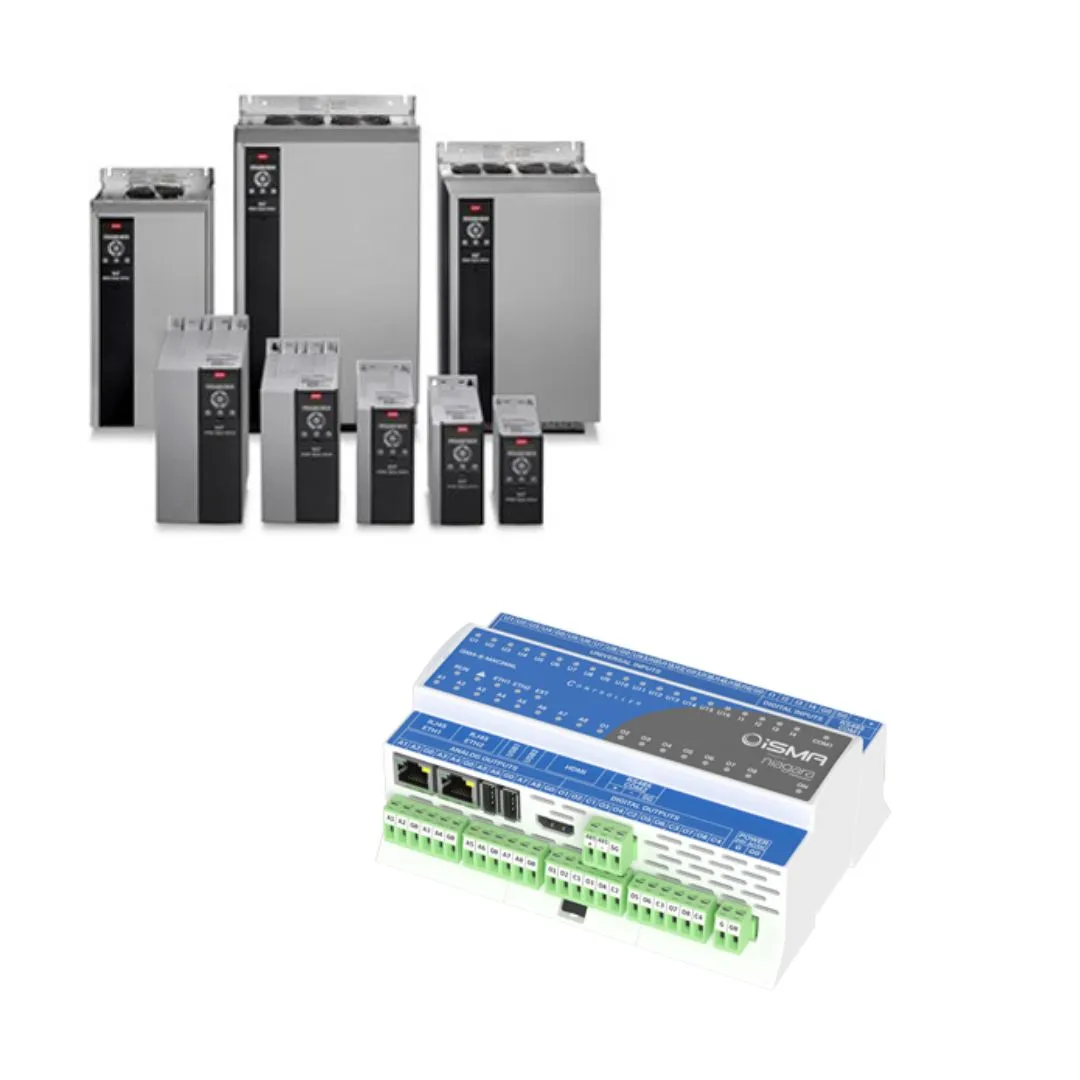
A chiller trips on a 40-degree afternoon, and the post-mortem usually finds the same culprit: a part that was close enough on paper but wrong for the duty. In a country with extreme heat, coastal humidity and strict refrigerant rules, procurement is an engineering decision. Specifying the right hvac supplies is what separates a resilient plant room from a recurring service call.
This guide goes beyond the basics. It covers technical selection criteria, regulatory obligations and lifecycle-based sourcing for Australian commercial, industrial and hospitality sites.
Regulatory Framework Every Buyer Should Know
Refrigerant Licensing
Under the Ozone Protection and Synthetic Greenhouse Gas Management framework, handling refrigerant requires an ARCtick licence issued through the Australian Refrigeration Council. Reputable suppliers verify credentials before releasing refrigerant.
Applicable Standards
- AS/NZS 3000: Wiring rules governing electrical installation
- AS 1668.2: Mechanical ventilation requirements for acceptable indoor air quality
- AS 1324.1: Air filters used in ventilation and air conditioning
- AS/NZS 5149: Safety and environmental requirements for refrigerating systems
Check that datasheets cite the relevant standard explicitly. General claims of “industry compliance” are not evidence.
Refrigerant Transition
The HFC phase-down under the Montreal Protocol’s Kigali Amendment is reshaping what gets installed. Many sites are moving from R410A (GWP around 2,088) to R32 (GWP around 675). R32 is classified A2L, meaning mildly flammable, so charge limits, ventilation and leak detection requirements apply. Components such as valves, sensors and electrical parts should be rated for the refrigerant in use.
Technical Selection Criteria
Electrical Matching
- Confirm supply: 230 V single phase or 400 V three phase at 50 Hz
- Size contactors and overloads to the motor’s full load current, not nameplate kW alone
- Specify capacitor microfarad and voltage ratings exactly; substitutions shorten motor life
Motors and Drives
EC fan motors offer better part-load efficiency than traditional AC induction types, with built-in speed control. Variable speed drives cut fan and pump energy sharply, because power consumption follows the cube of speed. A 20 per cent speed reduction can lower fan power by roughly half, though real savings depend on system curves and static pressure.
Filtration
Filter grades under AS 1324.1 and ISO 16890 differ in test method, so avoid mixing the two when comparing products. Rather than replacing on a calendar, many facilities monitor differential pressure across the filter bank and change at the manufacturer’s final pressure drop.
Controls and Sensing
Open protocols such as BACnet and Modbus protect against vendor lock-in. When selecting hvac supplies for building management integration, confirm:
- Sensor accuracy and drift specification
- Output type (0-10 V, 4-20 mA or digital)
- Compatibility with existing controllers
- Appropriate IP rating for the install location
Environmental Considerations Across Australia
Coastal sites in Queensland, the Northern Territory and Western Australia face salt-laden air that attacks bare copper and aluminium fins. Specify coated coils and corrosion-resistant enclosures.
Tropical locations such as Cairns and Darwin carry heavy latent loads, so dehumidification capacity matters as much as sensible cooling. Alpine and cold-climate sites need defrost control and low-ambient operation.
Applications That Demand Rigour
Hospitality and Tourism
Resorts and hotels run around the clock, and comfort complaints land on reviews quickly. Operators in regional and island destinations often carry spare fan motors, capacitors, sensors and filters on site, since freight delays can leave rooms offline for days.
Commercial and Industrial
Office towers pair VSDs with CO2-based demand ventilation to trim energy use. Warehouses face dust and vibration, so they favour robust contactors and sealed components.
Procurement Best Practice
- Build a critical spares register ranked by downtime cost.
- Record model, serial number, refrigerant type and capacity before ordering.
- Evaluate total lifecycle cost, including energy, maintenance and expected service life.
- Confirm lead times for imported items.
- Choose suppliers who provide technical support, datasheets and clear warranty terms.
Maintenance and Documentation
Follow a planned maintenance schedule: coil cleaning, refrigerant pressure checks, electrical termination inspection and filter differential pressure logs. Keep service records in one place, since they support warranty claims and compliance audits.
Final Word
Well-chosen hvac supplies reduce unplanned downtime, protect efficiency and keep sites compliant. Match components to the duty, verify standards and licensing, and weigh lifecycle cost over purchase price.
Treat procurement as part of system design, and your hvac supplies will keep working when Australian summers push every system to its limit.
Related Reading
Expert Insights: Navigating the Complex World of Home Improvement
Welcome to our in-depth exploration of Home Improvement. In an era defined by ra...
Why Home Improvement is Transforming the Global Industry Landscape
Welcome to our in-depth exploration of Home Improvement. In an era defined by ra...