Is Your Work-From-Home Fatigue Actually Caused by Carbon Dioxide Build-Up?
By Van Drunen
9 Views
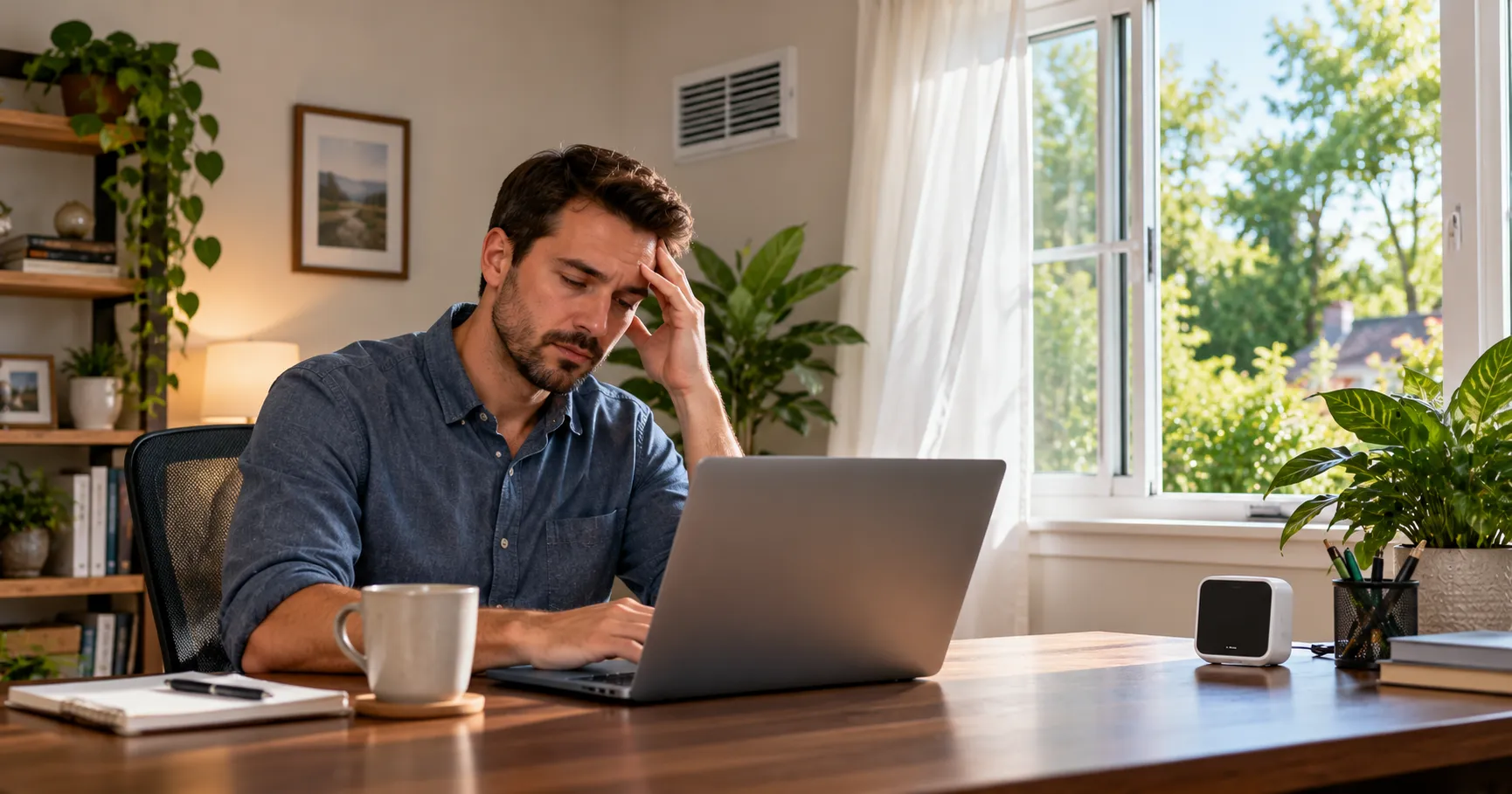
Do you feel tired, foggy, or unfocused after hours in your home office? Your indoor air could play a role.
Working in a closed room allows carbon dioxide (CO₂) to build up. Poor airflow may leave the space feeling stale and uncomfortable.
For homeowners seeking Indoor Air Quality South Holland services, checking home airflow is a smart way to improve daily comfort.
What Causes Carbon Dioxide to Build Up Indoors?
Every time you breathe out, you release carbon dioxide into the air. In rooms with good airflow, fresh outdoor air helps keep CO₂ levels down.
However, closed windows and poor ventilation allow CO₂ levels to rise.
This often happens in home offices, bedrooms, and small rooms where people spend hours working.
During cold South Holland winters, homeowners keep windows shut to stay warm. This can limit fresh air entering the home.
Can High CO₂ Levels Make You Feel Tired?
High indoor CO₂ readings often point to poor ventilation. They may also signal a buildup of other indoor air pollutants.
People in poorly ventilated rooms may notice discomfort, headaches, or trouble staying focused.
However, normal indoor CO₂ buildup does not always cause these symptoms directly. Poor sleep, stress, dry air, and other health concerns may also cause fatigue.
Signs Your Home Office Needs Better Airflow
Watch for these common warning signs:
-
Feeling sleepy during long work sessions
-
Frequent headaches or poor focus
-
Stale or stuffy indoor air
-
Feeling better after stepping outside
-
Rooms that feel humid or uncomfortable
These symptoms do not prove that CO₂ is the cause. They suggest your indoor air needs attention.
How Can You Check Carbon Dioxide Levels at Home?
A portable CO₂ monitor can help you track indoor air conditions.
Choose a monitor with a reliable CO₂ sensor. Place it near your desk, away from windows, vents, and your direct breath.
Check readings during normal work hours to spot patterns.
What Do CO₂ Readings Mean?
-
Below 800 ppm: A useful target for many occupied spaces.
-
800 to 1,000 ppm: Review airflow if readings remain high.
-
Above 1,000 ppm: A sign that fresh-air supply may need improvement.
These values are ventilation guides, not fixed safety limits. Room size, occupancy, and airflow also matter.
Simple Ways to Improve Home Office Air Quality
Small changes can help freshen your workspace.
Let Fresh Outdoor Air In
Open windows when weather and outdoor air conditions allow. Even short periods of fresh-air exchange can help lower indoor CO₂.
Check Your HVAC System
Your heating and cooling system affects airflow throughout your home. However, circulating indoor air alone does not remove CO₂.
Proper ventilation must bring in fresh outdoor air.
Keep Indoor Air Clean
Replace HVAC filters as advised and control indoor humidity. Air cleaners can reduce dust and other particles.
Remember, standard air filters do not remove carbon dioxide.
When Should You Call an Indoor Air Quality Expert?
If your home office stays stuffy despite basic changes, schedule a professional air quality review.
An HVAC expert can assess airflow, ventilation, humidity, and system performance.
Van Drunen Heating & Air Conditioning helps South Holland homeowners address poor airflow and other indoor air concerns.
Their team offers air cleaning, filtration, ventilation improvements, and HVAC solutions based on your home's needs.
Feel Better While Working From Home
Work-from-home fatigue has many causes, but poor indoor airflow deserves attention.
Better ventilation can reduce CO₂ buildup and help create a more comfortable workspace.
Contact Van Drunen Heating & Air Conditioning today to discuss indoor air quality solutions for your South Holland home.
Related Reading
Expert Insights: Navigating the Complex World of Home Improvement
Welcome to our in-depth exploration of Home Improvement. In an era defined by ra...
Why Home Improvement is Transforming the Global Industry Landscape
Welcome to our in-depth exploration of Home Improvement. In an era defined by ra...