How to Choose the Right Upland Bird Dog Breed
52 Views
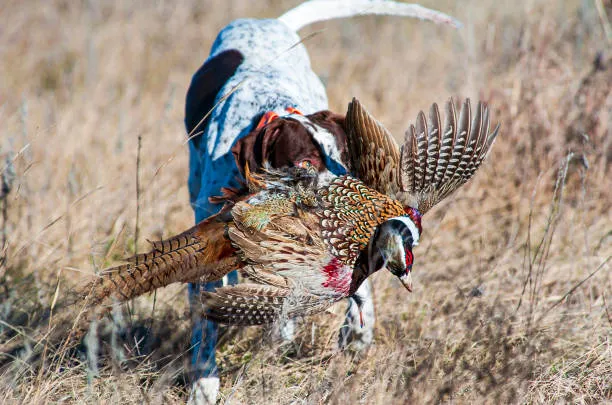
A well-planned hunting trip can be much more than time spent in the field. For businesses, a guided upland hunt can create an opportunity to step away from the office, build relationships, recognize clients, and spend meaningful time together in a relaxed outdoor setting. But if you are organizing a corporate hunting retreat, the details matter.
One of the most important considerations for an upland bird trip is the quality and experience of the hunting dogs. The right dog can make it easier to locate birds, follow a hunt safely, and give guests the chance to experience traditional bird hunting at its best. Understanding different upland bird dog breeds can help you choose an outfitter and hunting format that matches your group's experience level and expectations.
Why Dogs Matter on an Upland Bird Hunt
Upland hunting often takes place in grass, brush, agricultural fields, and other terrain where birds can be difficult to locate. A trained bird dog uses its natural scenting ability and hunting instincts to locate birds and help the hunter get into position.
For guests who do not hunt regularly, watching a well-trained dog work can be one of the most enjoyable parts of the experience. A good pointing dog may locate a bird, hold its position, and wait for the hunter and guide to approach before the bird is flushed.
The dog's role also depends on the species being hunted, the terrain, and the hunting style. Some dogs specialize in pointing, while others are particularly useful for retrieving birds after the shot.
Popular Upland Bird Dog Breeds
There is no single breed that is perfect for every upland hunt. Different breeds have different energy levels, hunting styles, range, coat types, and retrieving abilities.
When researching upland bird dog breeds, three broad groups are especially useful to understand.
Pointers
Breeds such as English Pointers, German Shorthaired Pointers, and Brittanys are commonly associated with upland hunting. Their job is to use scent to locate birds and indicate their location by pointing.
Pointers can be particularly effective in open country where birds may be spread across larger areas. They often work at a greater distance from the hunter, allowing them to cover substantial ground.
For an experienced hunting group, watching a skilled pointer search, locate, and hold birds can add a memorable element to the trip.
Flushers
Spaniels such as English Springer Spaniels and other flushing breeds work differently. Rather than stopping and pointing at a bird from a distance, they generally work closer to the hunter and push birds into the air.
This style can be a good fit for thicker cover where close-range searching is useful. Flushers can also provide an energetic hunting experience because birds may rise quickly once the dog gets close.
Retrievers
Labrador Retrievers and other retriever breeds are well known for recovering downed birds. Although retrievers are often associated with waterfowl hunting, trained retrievers can also play an important role in upland hunting.
For a mixed hunting trip, a versatile dog that can locate or retrieve different types of game may provide additional value.
Choosing the Right Dog for Your Hunting Group
If you are organizing a group hunt, you do not necessarily need to decide which breed should be used yourself. A professional outfitter should select dogs based on the species, property, terrain, and hunting conditions.
Instead, ask the outfitter how their dogs are trained and what role they play during the hunt. This can tell you more than simply knowing the breed.
Important questions include:
- What type of dogs will be used? Ask whether the hunt relies primarily on pointers, flushers, retrievers, or a combination. The answer can help you understand how the field experience will unfold and whether it suits your group's expectations.
- How experienced are the dogs? A trained dog should be comfortable working around people, other dogs, gunfire, and changing field conditions. This is especially important when guests have different levels of hunting experience.
- How many hunters work with each dog? Group size can affect how effectively dogs can cover an area. A smaller group may also make it easier for guests to see and appreciate the dog's work.
- How does the guide manage safety? The guide should establish shooting positions, movement patterns, and clear communication before the hunt begins. Good dog handling should complement these safety procedures rather than interfere with them.
Making a Corporate Hunting Retreat More Enjoyable
Corporate hunting events work best when the itinerary considers both hunters and guests who may have limited experience in the field.
Not everyone attending a business retreat will be an experienced wingshooter. Some may be completely new to hunting, while others may simply enjoy the outdoor setting and social aspect.
A professional outfitter can structure the day so that everyone has a role. A short safety briefing and explanation of the hunting format can help first-time participants feel comfortable before the group enters the field.
Consider including:
- A clear pre-hunt briefing: Explain firearm safety, field positioning, expected walking distances, and how guests should communicate with guides. A few minutes of preparation can make the entire experience more comfortable.
- Comfortable accommodations: If the retreat involves overnight travel, quality lodging and meals can make the event feel more like a complete corporate getaway rather than simply a day of hunting.
- Time for conversation: Avoid filling every part of the schedule with hunting. Meals, campfire conversations, or relaxed evenings give colleagues and clients opportunities to connect without the pressure of the field.
- Optional activities: Consider offering alternatives for guests who do not want to hunt every session. Outdoor activities, sightseeing, fishing, or other experiences can make the retreat more inclusive.
Safety Should Be Part of the Experience
Safety is especially important when organizing a corporate hunting event because participants may have very different levels of firearm experience.
Every guest should receive clear instructions before entering the field. Guides should explain safe shooting zones, movement between positions, how dogs will work around the group, and when firearms should be unloaded.
Participants should also follow all applicable hunting regulations, licensing requirements, season dates, bag limits, and property-specific rules. A reputable outfitter should be able to explain the basic requirements and direct guests to the appropriate wildlife agency for current regulations.
How to Choose a Corporate Hunting Outfitter
The best retreat is not necessarily the one with the most expensive package. Look for an outfitter that understands both hunting and hospitality.
Ask about guide experience, hunting properties, dog training, lodging, meals, transportation, group sizes, firearm requirements, and what happens if weather affects the planned schedule.
It is also worth asking how the outfitter handles first-time hunters. A corporate group often needs more structure than a group of experienced friends, and a flexible guide can make a significant difference.
Turn the Hunt Into a Memorable Corporate Experience
A successful corporate hunting retreat combines good organization with an authentic outdoor experience. The right property, experienced guides, well-trained dogs, comfortable accommodations, and thoughtful scheduling can turn a simple hunting trip into a valuable opportunity to build stronger professional relationships.
Understanding upland bird dog breeds is useful, but the breed itself should not be the only deciding factor. The dog's training, temperament, experience, and suitability for the terrain are often more important.
If you are planning a corporate hunting event, start by speaking with experienced outfitters and asking detailed questions about their dogs, hunting properties, group arrangements, safety procedures, and accommodations. Choose a provider that can tailor the experience to your group's interests and experience levels.
With the right planning, your next corporate retreat can give your team or clients something an office meeting rarely can: time outdoors, shared challenges, genuine conversation, and memories that last long after the hunt is over.
Related Reading
Top 10 Hidden Secrets About Business & Finance You Need to Know
Welcome to our in-depth exploration of Business & Finance. In an era defined...
Why Business & Finance is Transforming the Global Industry Landscape
Welcome to our in-depth exploration of Business & Finance. In an era defined...