Precision Machining Company with Advanced CNC Expertise
By genesis mfg
69 Views
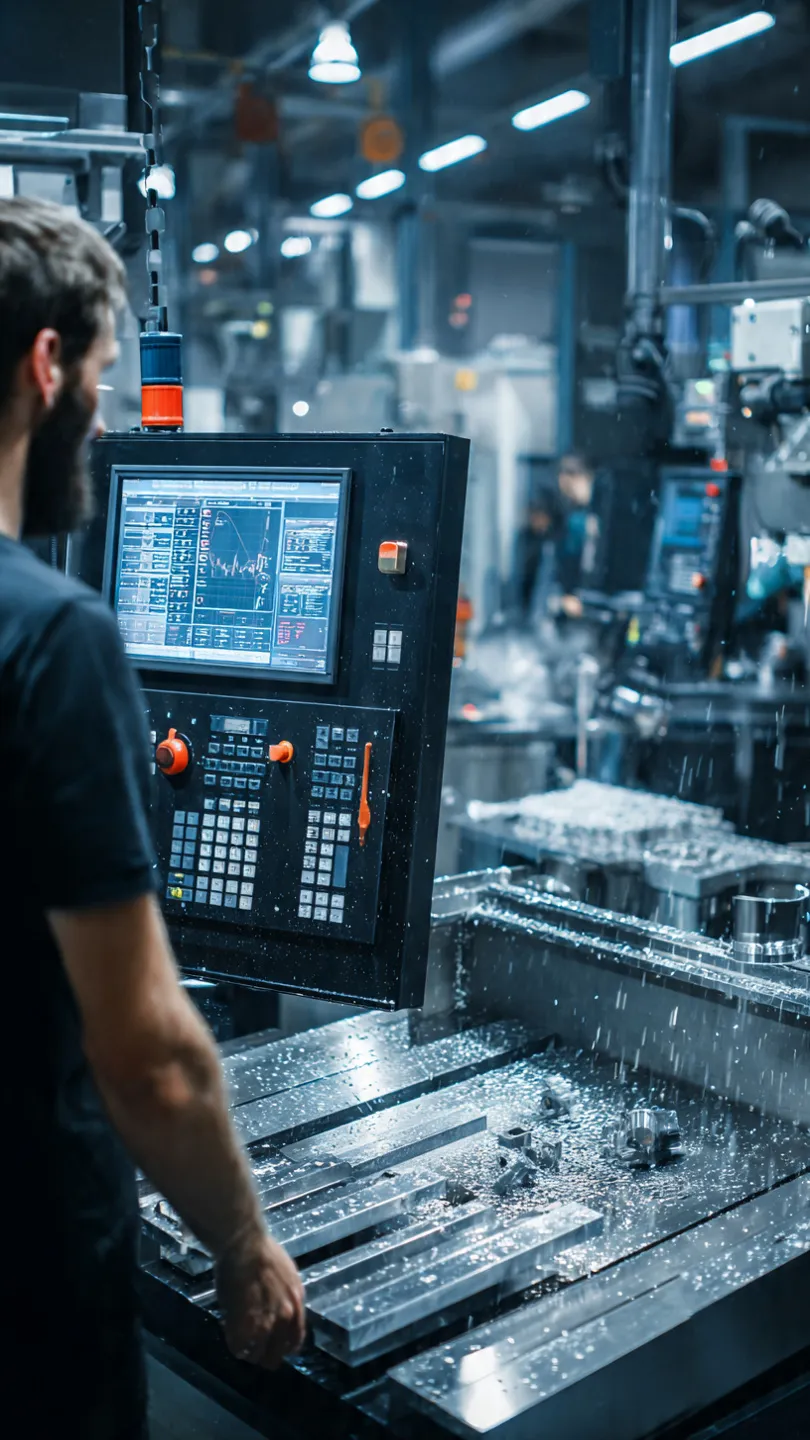
There's a common idea that a precision machining company basically runs on autopilot, load a programme, the machine does the rest, out comes a perfect part. Anyone who's actually worked in a machine shop knows that's only true on the good days. The reality involves a lot of judgement and problem-solving that doesn't show up in a sales brochure.
The Human Skill Hiding Behind Automated Precision
CNC machines are remarkably consistent once everything's dialled in, but getting there takes real expertise. Programming a toolpath isn't just telling the machine where to cut. It means understanding how a material behaves under stress, how fast a tool can move before it chatters, and which cutting strategy avoids leaving residual stress that warps the part later. Get any of that wrong and you end up with parts that look fine on the machine but fail inspection, or worse, fail in service.
Tool selection matters more than most people expect. The wrong end mill, even slightly off for the material being cut, can produce a poor surface finish or wear out faster in ways that aren't obvious until you've burned through expensive stock. Machinists who've spent years on specific alloys develop an instinct for this that no software replaces.
Then there's the setup. Workholding sounds like a minor detail until a poorly fixtured part shifts by fractions of a millimetre mid-cut, which is more than enough to push a precision component out of tolerance. Good shops spend real time getting fixturing right before running a full batch, because catching this early is far cheaper than scrapping parts later.
Quality assurance is where a decent operation and a genuinely good one start to look different. Inline measurement, statistical process control, proper documentation, none of it is paperwork for its own sake. It's what lets a company catch drift before it becomes a defect. A shop that only checks parts at the end of a run is gambling with your budget.
The better CNC machining companies treat all this as an ongoing discipline rather than a checklist. Operators get trained, machines get maintained on schedule, and processes get reviewed when something doesn't go right. That culture tends to matter more than any single piece of equipment.
Conclusion
CNC precision machining looks automated from the outside, but the quality coming out the other end depends on people making good decisions long before the machine starts cutting. When choosing who to work with, ask about their setup process, their quality checks, and how operators are trained, not just what machines sit on the floor. For projects where CNC precision machining needs to hold up under real-world demands, that's usually where the real difference lives.
FAQs
Does more advanced CNC equipment automatically mean better quality parts?
Not necessarily. Equipment matters, but skilled programming, proper workholding, and consistent quality checks have a bigger impact on the finished part.
Why do some CNC machined parts warp after they've been cut?
Usually residual stress released during machining, particularly with certain alloys, which is why experienced machinists plan cutting sequences carefully to limit it.
What should I ask a CNC machining supplier about their quality process?
Ask how they verify dimensional accuracy during production, not just at final inspection, and whether they use statistical process control on repeat orders.