How to Identify Authentic Cohiba Cuban Cigars: Labels, Packaging, and Verification
By andy gibson
14 Views
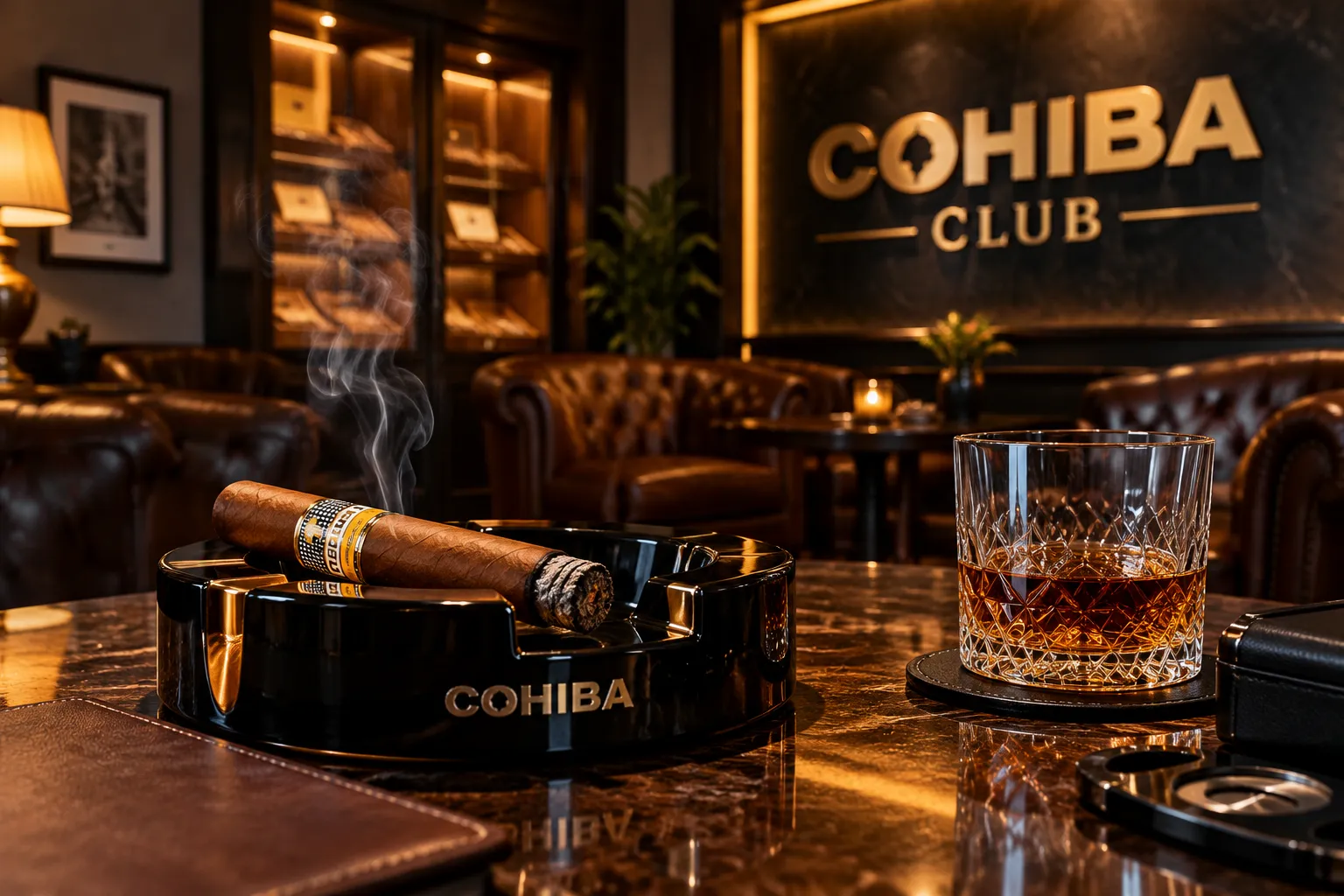
Cohiba Cuban cigars are among the most recognisable products in the premium cigar market. Their distinctive branding, Cuban origin, and association with traditional tobacco craftsmanship make them highly sought after. However, their popularity also makes them a target for counterfeiters. Fake cigars can imitate genuine packaging, labels, and bands, making authenticity checks important before purchasing.
Whether you are examining a single cigar or a complete box, understanding the packaging, security features, and verification process can help you recognise warning signs and make a more informed decision.
Examine the Original Packaging
Packaging is often the first feature buyers inspect when evaluating a Cohiba Cuban cigar. Genuine products should have packaging consistent with the specific collection, release, and market.
Look for clear printing, carefully finished surfaces, consistent branding, and professionally applied labels. Blurry text, spelling mistakes, uneven colours, damaged seals, or poorly constructed boxes may indicate a problem.
However, packaging changes over time, and different Cohiba collections have different presentations. A difference from an online photograph does not automatically mean a cigar is counterfeit. Compare the packaging with official product information relevant to the exact cigar.
Check the Cohiba Cigar Band
Cohiba is widely recognised for its yellow-and-black branding. Cuban Cohiba cigars traditionally feature a distinctive band with detailed lettering and decorative elements.
Inspect the band for clear printing, consistent colours, and neat placement. Poorly reproduced details, irregular lettering, or obvious printing defects should prompt further investigation.
Nevertheless, counterfeiters can reproduce convincing bands. A genuine-looking logo cannot establish authenticity on its own, and bands may be transferred between cigars.
For this reason, the band should be examined alongside the original box, security features, and seller information.
Verify the Cuban Security Seal
One of the most useful checks for Cuban Cohiba cigars is the official Habanos packaging authentication process.
Cuban Habanos products use security features that can include a Cuban government warranty seal, holographic elements, and a unique barcode. The exact presentation depends on the packaging and applicable production period.
Visit the official Habanos website and use its authentication guidance to check the code on the physical box. Make sure the result corresponds to the product you are examining.
Do not rely solely on a screenshot provided by a seller. If the code cannot be verified, the result does not match the product, or the seal appears tampered with, seek clarification from an authorised retailer before proceeding.
Inspect Box Markings and Product Details
The underside of a Cuban Habanos box may include markings such as “Hecho en Cuba,” “Habanos s.a.,” and factory or packing-date codes.
Check whether these details are consistent with the product's stated origin and official guidance. Altered markings, inconsistent information, or signs of tampering warrant further investigation.
Keep in mind that packaging can differ between collections and production periods. A single marking should not be treated as conclusive proof of authenticity.
It is also important to distinguish Cuban Cohiba cigars from other products sold under the Cohiba name in different markets. Confirm the stated origin before applying Cuba-specific authentication checks.
Assess the Cigar's Physical Quality
The cigar itself can provide additional clues about its condition and construction. Look for a reasonably even wrapper, consistent dimensions, and a neatly finished appearance.
Obvious damage, unusual discoloration, visible mould, or careless construction may raise concerns. However, these characteristics cannot conclusively establish whether a cigar is genuine.
Authentic cigars can deteriorate through poor storage, while counterfeit products can be made to look convincing. Physical inspection should therefore support, rather than replace, official verification.
Buy From Reputable Retailers
Purchasing from an authorised Habanos retailer or an established specialist tobacconist is one of the most practical ways to reduce the risk of counterfeit products.
Be cautious of unusually low prices, vague product descriptions, sellers who refuse reasonable authenticity questions, or listings that provide no useful information about the original packaging.
Ask for a receipt and retain the box and accompanying documentation. These materials may help establish provenance if you later need to raise a concern about the product.
Common Authentication Mistakes
A common mistake is assuming that a familiar logo guarantees authenticity. Counterfeiters can reproduce branding and packaging details, so appearance alone is insufficient.
Another mistake is relying exclusively on price. A low price can be a warning sign, but neither a low nor a high price proves whether a cigar is genuine.
Finally, do not assume that one apparently successful security check resolves every concern. Consider the verification result together with the packaging, product details, and reliability of the seller.
Final Thoughts
Identifying authentic Cohiba Cuban cigars requires a combination of careful inspection and reliable verification. Examine the original packaging, check the cigar band, verify applicable security features through official Habanos resources, and purchase from reputable sellers.
The most dependable approach is to establish the product's origin rather than relying on its appearance or reputation alone.
For official information, visit the Cohiba website. Cigars contain tobacco and expose users to nicotine and harmful chemicals. Smoking carries serious health risks, including cancer and cardiovascular disease, regardless of authenticity, price, or brand.
Related Reading
Top 10 Hidden Secrets About Business & Finance You Need to Know
Welcome to our in-depth exploration of Business & Finance. In an era defined...
Why Business & Finance is Transforming the Global Industry Landscape
Welcome to our in-depth exploration of Business & Finance. In an era defined...