What Are the Disadvantages of a Wall Mounted Basin Mixer?
By Elbort
41 Views
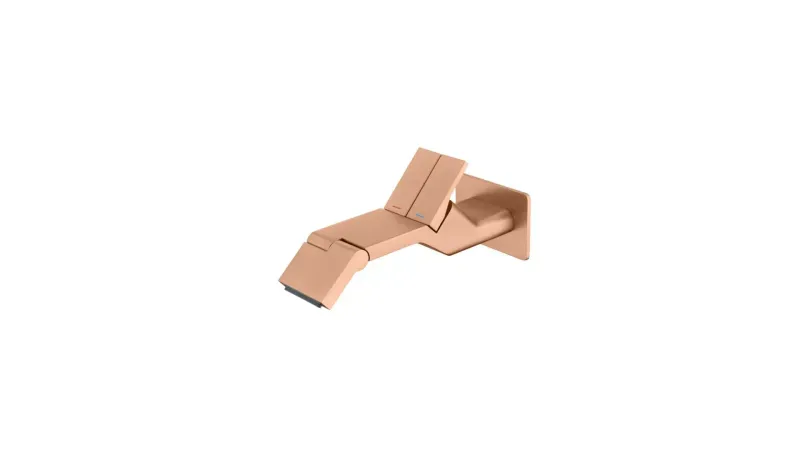
A wall mounted basin mixer has become a popular choice in modern bathrooms due to its sleek appearance and space-saving design. By mounting the faucet directly on the wall instead of the basin or countertop, it creates a clean, minimalist look that complements contemporary interiors.
However, while many homeowners appreciate its aesthetic appeal, it's equally important to understand the potential drawbacks before making a decision. Like any bathroom fixture, a wall mounted basin mixer has both advantages and limitations. Knowing these disadvantages can help you determine whether it's the right option for your bathroom renovation or new construction project.
What Is a Wall Mounted Basin Mixer?
A wall mounted basin mixer is a faucet installed directly into the wall above the wash basin. The water supply pipes remain concealed inside the wall, leaving only the spout and control handle visible.
Unlike deck-mounted mixers, this installation creates a cleaner appearance while freeing up space around the basin.
1. Installation Is More Complex
One of the biggest disadvantages of a wall mounted basin mixer is the installation process.
Since the plumbing is hidden behind the wall, installing the mixer requires careful planning and accurate pipe positioning. During new construction, this is usually straightforward. However, replacing an existing deck-mounted faucet with a wall-mounted model often involves opening the wall, relocating plumbing lines, and repairing the wall afterward.
This additional work can increase both installation time and labor costs.
2. Repairs May Require Wall Access
Although a properly installed wall mounted basin mixer is highly reliable, repairs can be more complicated if an issue develops inside the concealed plumbing.
If internal pipe connections or fittings begin to leak, accessing them may require removing wall tiles or opening sections of the wall. This can make repairs more time-consuming compared to traditional basin mixers where plumbing is easily accessible beneath the sink.
Fortunately, high-quality installations significantly reduce the likelihood of such issues.
3. Accurate Positioning Is Essential
Unlike standard basin faucets, a wall mounted basin mixer must be installed at the correct height and projection.
If the spout extends too far or not far enough, water may not reach the center of the basin properly. Poor positioning can result in:
- Excessive splashing
- Reduced washing comfort
- Difficulty filling containers
- Water spilling outside the basin
Because the plumbing is concealed, correcting positioning mistakes after installation can be expensive.
4. Limited Flexibility After Installation
Once a wall mounted basin mixer is installed, changing its position later is difficult.
If you decide to replace the basin with a different size or shape, the existing faucet height and reach may no longer align properly. Adjusting the plumbing often requires reopening the wall.
For homeowners who frequently remodel their bathrooms, this limited flexibility is worth considering.
5. Higher Installation Costs
Compared to deck-mounted mixers, wall-mounted installations generally involve additional labor.
Costs may increase because of:
- Plumbing modifications
- Wall preparation
- Waterproofing
- Tile cutting and replacement
- Precision alignment
Although the fixture itself may be similarly priced, the installation process often represents the larger investment.
6. Not Suitable for Every Bathroom
A wall mounted basin mixer works best when the bathroom layout is designed around it.
Older homes with solid walls or existing plumbing configurations may require extensive modifications before installation becomes practical.
For simple bathroom upgrades, traditional basin mixers may be easier and more cost-effective.
7. Careful Basin Selection Is Required
Not every basin pairs well with a wall mounted faucet.
The basin depth, width, and faucet reach must work together to minimize splashing and ensure comfortable daily use.
Selecting incompatible combinations may affect both functionality and appearance.
8. Future Maintenance Can Be More Challenging
Routine cleaning is simple, but major maintenance can become more complicated because much of the plumbing remains hidden.
If internal components eventually wear out, replacing them may require specialized tools or professional assistance.
However, regular maintenance and quality installation help reduce future problems.
9. Precision During Renovation Is Critical
A wall mounted basin mixer leaves very little room for installation errors.
Contractors must carefully coordinate:
- Pipe depth
- Wall finishing
- Tile thickness
- Basin height
- Spout projection
Even small measurement mistakes can affect the final appearance and usability.
10. Installation Should Be Planned Early
Unlike standard basin mixers that can often be installed near the end of a renovation, wall-mounted systems need to be planned much earlier.
Plumbing rough-ins are completed before wall finishing begins, meaning design decisions should be finalized early in the renovation process.
Late changes can result in additional costs and project delays.
Do These Disadvantages Mean You Should Avoid a Wall Mounted Basin Mixer?
Not necessarily.
Many of these disadvantages relate to installation rather than daily use. Once properly installed, a wall mounted basin mixer offers reliable performance, easy countertop cleaning, and a modern appearance that many homeowners prefer.
The key is understanding the installation requirements before starting your project.
Tips to Minimize These Disadvantages
If you're considering a wall mounted basin mixer, you can reduce potential issues by following these best practices:
- Plan the plumbing layout before construction begins.
- Choose a basin and faucet that are compatible in size and reach.
- Verify installation measurements carefully before finishing the wall.
- Use quality plumbing materials and fittings.
- Ensure proper waterproofing around concealed plumbing.
- Test the system thoroughly before closing the wall.
Careful planning helps avoid expensive modifications later.
Is a Wall Mounted Basin Mixer Still Worth It?
For homeowners building a new bathroom or undertaking a complete renovation, a wall mounted basin mixer remains an excellent option despite its installation challenges.
Its clean design, uncluttered countertop, and modern appearance often outweigh the additional planning required. However, for smaller renovations or simple fixture replacements, a deck-mounted mixer may be the more practical solution.
The best choice depends on your bathroom layout, renovation budget, and long-term design goals.
Final Thoughts
So, what are the disadvantages of a wall mounted basin mixer?
The primary drawbacks include more complex installation, higher labor costs, limited flexibility after installation, and potentially more involved repairs if concealed plumbing needs attention. Additionally, proper positioning and careful planning are essential to achieve the best results.
Despite these considerations, a wall mounted basin mixer continues to be a popular choice for modern bathrooms because of its sleek appearance, improved countertop space, and long-term functionality. By understanding its limitations and planning the installation correctly, homeowners can enjoy the benefits while minimizing potential challenges.
Related Reading
Expert Insights: Navigating the Complex World of Home Improvement
Welcome to our in-depth exploration of Home Improvement. In an era defined by ra...
Why Home Improvement is Transforming the Global Industry Landscape
Welcome to our in-depth exploration of Home Improvement. In an era defined by ra...