How Was Konark Sun Temple Designed as the Chariot of the Sun God?
By Smriti Garg
4 Views
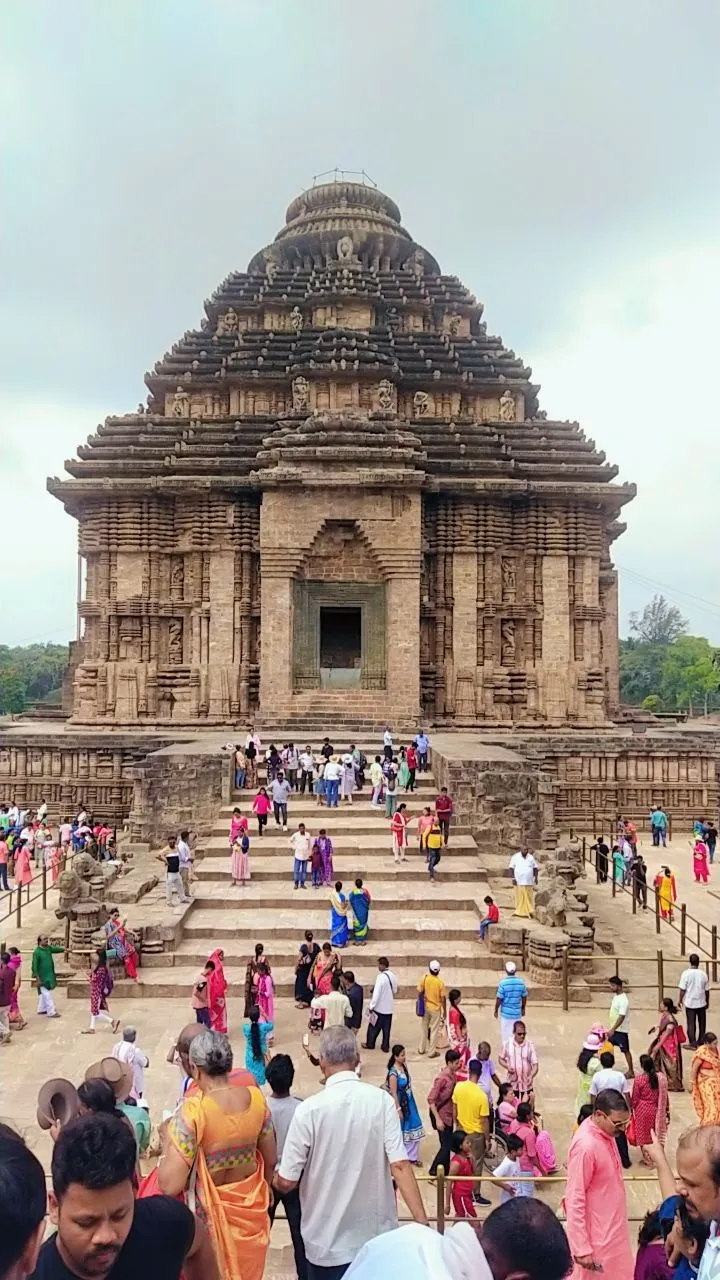
The Konark Sun Temple in Odisha stands as one of India’s most extraordinary examples of medieval temple architecture. Constructed in the 13th century during the reign of King Narasimhadeva I of the Eastern Ganga dynasty, the temple was dedicated to Surya, the Sun God. What makes the Konark Sun Temple particularly remarkable is its distinctive architectural design, which represents a colossal stone chariot carrying Surya across the celestial realm.
Rather than portraying the Sun God only through individual sculptures, the architects integrated the idea of the divine chariot into the entire structure. Its massive stone wheels, carved horses, intricate sculptures, and imposing scale create a powerful combination of architecture, mythology, artistic expression, and symbolic ideas about time and movement. This unique design makes Konark an important subject for understanding the artistic and cultural achievements of medieval Odisha.
The Temple as the Chariot of Surya
The central idea behind Konark’s design is the divine journey of Surya across the sky. In Hindu tradition, the Sun God is associated with a magnificent celestial chariot. At Konark, this concept was translated into an enormous architectural form. The temple’s structure resembles a chariot moving forward, with carved wheels positioned along its sides and horses appearing to pull the vehicle. This design gives the monument a strong sense of movement despite being constructed entirely from stone. The concept also reflects the importance of Surya worship during the period. The architects created more than a place of worship; they created a monumental representation of the Sun’s daily journey.
The 24 Stone Wheels
The most recognizable feature of the Konark Sun Temple is its 24 intricately carved stone wheels. These wheels form an essential part of the chariot design and are among the finest examples of decorative stone carving in Indian architecture.Each wheel contains detailed spokes, circular patterns, and sculptures. Their design has often been associated with different aspects of time, including the months, seasons, and cycles of the day and year. The wheels therefore have both decorative and symbolic significance.
Some interpretations also describe the wheels as functioning as sundials. Their carefully carved spokes and shadows can be used to understand the movement of the Sun and estimate time. This connection between architecture and the observation of nature demonstrates the sophisticated thinking involved in the temple’s design.
The Seven Horses of the Chariot
Another important element is the group of seven horses traditionally associated with Surya’s chariot. These horses represent the movement of the Sun across the sky and reinforce the temple’s image as a celestial vehicle. The number seven has several symbolic associations in Indian traditions, including the seven days of the week and the seven rays or aspects traditionally connected with the Sun. At Konark, the horses appear to pull the enormous stone chariot forward, creating a powerful visual impression of movement. Together, the wheels and horses make the temple’s architectural symbolism immediately understandable: the monument represents Surya travelling through the heavens.
Sculptures That Bring the Chariot to Life
The chariot concept extends beyond the wheels and horses. The temple is covered with an extraordinary variety of sculptures depicting dancers, musicians, animals, floral designs, divine figures, and scenes reflecting aspects of contemporary life. These carvings provide valuable insight into the artistic and cultural traditions of medieval Odisha. Musicians and dancers, for example, reflect the importance of performance traditions, while animal and mythological representations add symbolic depth to the architecture. The wheels themselves contain highly detailed carvings, making them both architectural elements and works of art. Through this extensive sculptural program, the temple becomes a visual representation of the religious and cultural world surrounding Surya worship.
The Role of Sunlight and Orientation
Because Konark was dedicated to the Sun God, sunlight naturally played an important conceptual role in its design. The temple’s orientation and monumental form were closely connected with the worship of Surya. The relationship between the monument and sunlight adds another dimension to the chariot symbolism. As the Sun moves across the sky, light and shadow change across the temple’s carvings and wheels. This creates an ever-changing visual experience and reinforces the connection between the monument and the passage of time.
Kalinga Architecture and Engineering
The chariot design was not created separately from Odisha’s architectural tradition. Konark represents a remarkable development of the Kalinga style of temple architecture, known for its monumental structures and elaborate stone decoration. The architects combined traditional temple elements with the extraordinary concept of a celestial chariot. Achieving this required considerable planning, stone-cutting expertise, artistic skill, and knowledge of proportion. The result demonstrates how medieval builders could transform religious ideas into a complex architectural composition while maintaining an impressive level of sculptural detail.
What the Design Reveals About Medieval Odisha
The Konark Sun Temple provides an important window into the intellectual and artistic achievements of medieval Odisha. Its design brings together religious beliefs, craftsmanship, symbolism, observation of the Sun, and architectural knowledge. The wheels demonstrate the importance of time and celestial movement, while the horses represent Surya’s journey. The sculptures reveal aspects of social and cultural life, and the overall structure demonstrates the sophistication of Kalinga temple architecture.
The Konark Sun Temple stands as a remarkable example of how mythology, architecture, art, and craftsmanship were brought together in medieval Odisha. Its 24 stone wheels, seven horses, intricate sculptures, and connection with the movement of the Sun transform the monument into a magnificent representation of Surya’s celestial chariot. The temple reflects not only the religious beliefs of its time but also the advanced artistic and architectural skills of the Kalinga tradition. For travellers interested in history, culture, and heritage, exploring Konark offers a deeper understanding of the region’s rich past. As one of the most celebrated landmarks of Odisha Tourism, the temple remains an unforgettable destination for anyone seeking to experience Odisha’s architectural and cultural heritage.