How Traditional Sauna Design Creates a Relaxing Home Retreat
By Evermere
32 Views
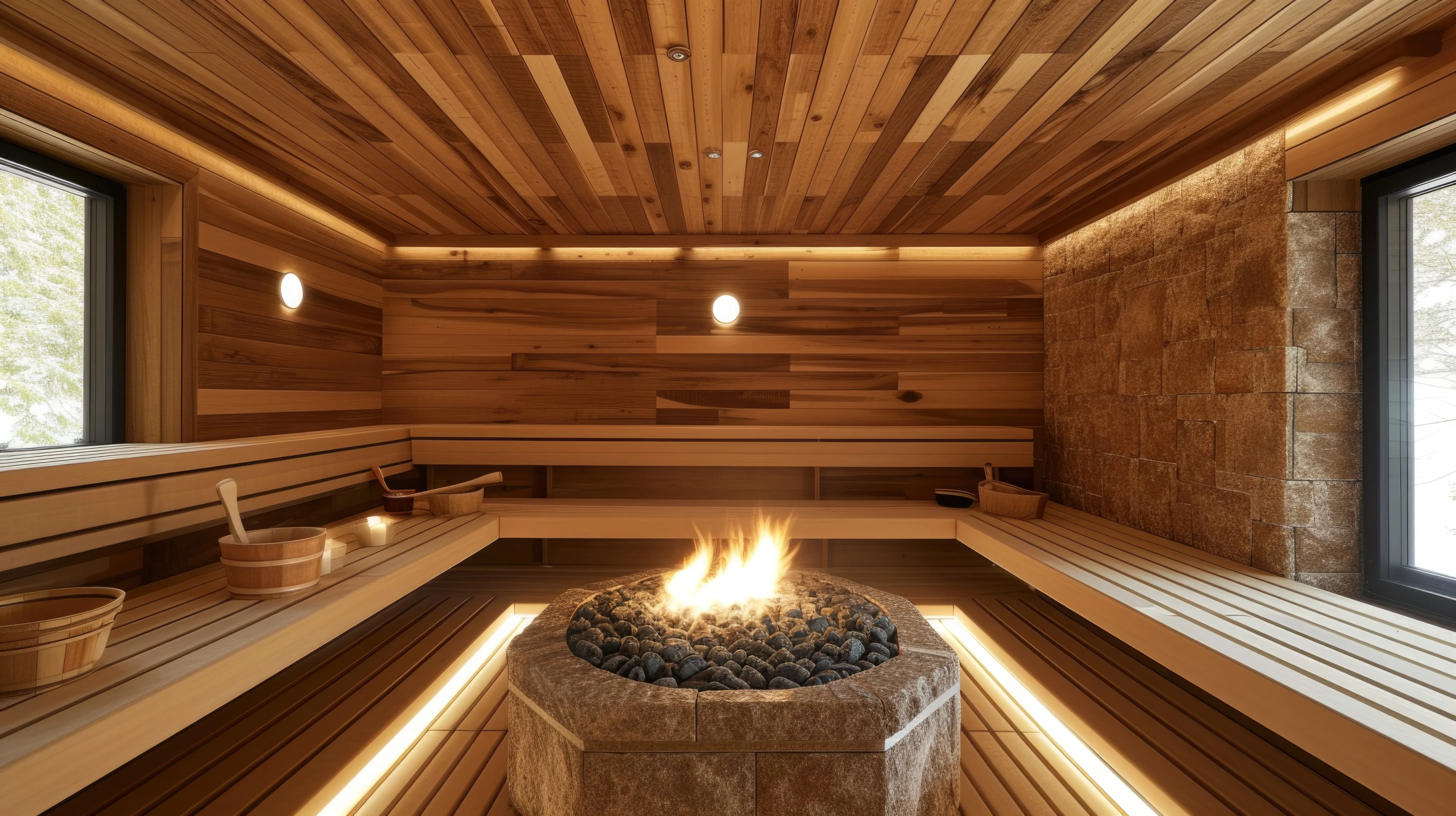
A home sauna can turn a forgotten corner of your house into a peaceful spot to relax and recharge. Traditional sauna design is all about heat, natural materials, comfort, and a warm feel that pulls you in.
A well-planned sauna does more than just add a bit of luxury to your home. It gives you your own private space where you can step away from the noise, the screens, and everyday responsibilities.
What Makes a Traditional Sauna Different?
A traditional sauna uses a heated stove to warm up the room and everything around it. Water gets poured over heated stones to create bursts of steam.
That's what provides you with the classic hot sauna experience so many people love. The mix of dry heat, wood, and gentle steam gives the room its familiar character.
Traditional saunas also let you control the atmosphere more. You can adjust the heat and add a bit of water to the stones whenever you want.
Why Design Matters in a Home Sauna
Appealing design makes a sauna feel comfortable instead of cramped or overwhelming. Every part of the room should support relaxation while still being practical.
A thoughtful design considers the room's size, the seating layout, ventilation, lighting, and materials. All those elements work together to create a harmonious experience.
Take the benches, for example. They need enough room for you to sit comfortably. Their height and depth should also make it easy to relax for longer stretches.
Choose Natural Materials for a Warm Feeling
Wood is one of the most important materials in a traditional sauna. It gives the room a natural look while helping it feel warm and welcoming.
Popular sauna woods include cedar, hemlock, aspen, and spruce. Each one has its own look, texture, and how well it performs.
The right wood should match your style and hold up well in the sauna's environment. It also needs to handle repeated exposure to heat and moisture.
A simple wood interior can create a calm feel without making the space look overdone. Natural textures usually give you plenty of visual interest all on their own.
Create Comfortable and Practical Seating
Seating has a big impact on how enjoyable your sauna actually is. A good layout gives everyone enough personal space without wasting the room you have.
Tiered benches are popular because they give you different seating heights. Since heat rises, the higher benches tend to feel warmer.
Keep these points in mind when planning your sauna seating:
- Leave enough room to move around comfortably.
- Pick benches with smooth, rounded edges.
- Use materials built for sauna conditions.
- Consider how many people will actually use it.
Comfort should always come first. A beautiful sauna loses its charm fast if the seating feels awkward or cramped.
Use Lighting to Set the Mood
Lighting can entirely change how a sauna feels. Bright overhead lights can make the room feel more clinical than relaxing.
Soft lighting creates a calmer, more comfortable feel. Recessed fixtures, hidden lighting, or well-placed lamps all work well here.
Avoid putting lights where they'll create harsh glare. Instead, use lighting to bring out the wood and give the space a peaceful feel.
Give Ventilation the Attention It Deserves
Ventilation is a big part of any well-planned sauna. It helps control airflow and keeps the whole space feeling more comfortable.
A successful ventilation plan should match the size of your sauna and the heating system you're using. Airflow also needs to be considered when deciding where the stove and benches will go.
A professional can significantly improve this aspect. Good ventilation keeps the sauna comfortable and helps it stay fresh between uses.
Make the Sauna Fit Your Home
A home sauna doesn't need to feel separate from the rest of your house. Its design can actually complement your home's existing style.
You might go for a simple, modern interior or a more traditional wood-focused look. What works best really depends on your space and your taste.
Think about how the sauna connects to the areas around it. A sauna next to a bathroom, bedroom, or relaxation room can create a convenient little wellness zone.
Plan for Easy Maintenance
A relaxing sauna should also be simple to clean and take care of. Planning ahead makes regular upkeep a lot simpler down the road.
Pick durable materials that can handle heat and moisture. Keep surfaces easy to reach so they're simple to clean.
Good maintenance also protects how the sauna looks over time. Regular cleaning helps stop unpleasant smells, buildup, and unnecessary wear before they start.
Final Thoughts
A successful home sauna starts with thoughtful planning, not expensive extras. Traditional sauna design brings together natural materials, comfortable seating, good airflow, and relaxing lighting.
When all these pieces come together, an ordinary space can turn into a welcoming personal retreat. With the right design choices, your sauna can offer comfort and relaxation for years to come.
Related Reading
Expert Insights: Navigating the Complex World of Home Improvement
Welcome to our in-depth exploration of Home Improvement. In an era defined by ra...
Why Home Improvement is Transforming the Global Industry Landscape
Welcome to our in-depth exploration of Home Improvement. In an era defined by ra...