How to Use Monk Fruit Sweetener in Everyday Cooking and Baking
26 Views
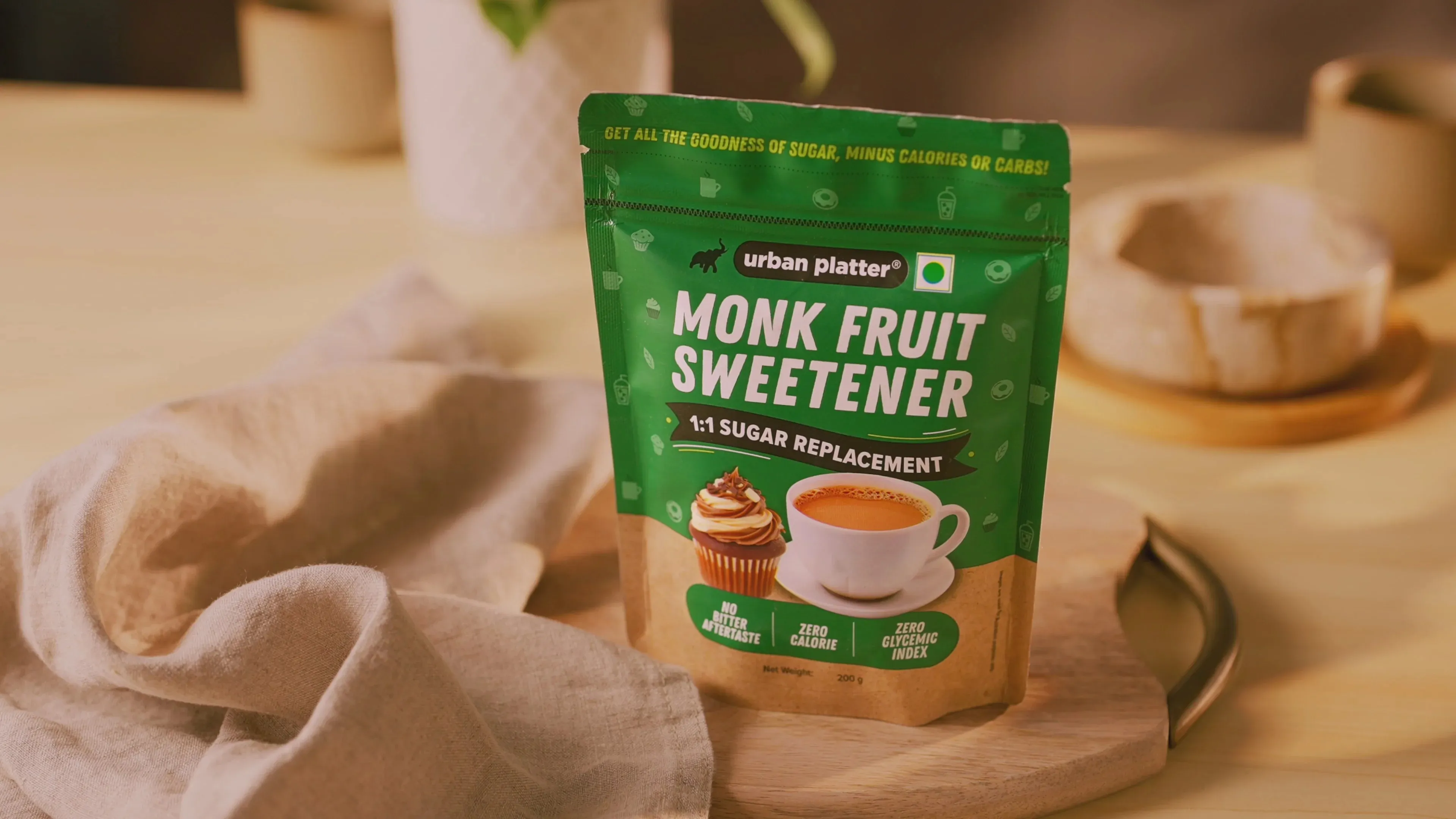
Monk fruit sweetener has become a popular alternative to traditional sugar for people who want to add sweetness to food and beverages. Made using extracts from monk fruit, also known as Luo Han Guo, this sweetener can be used in a variety of everyday recipes. Depending on the product, it may be combined with other ingredients to make it easier to measure and use like regular sugar.
From tea and coffee to homemade desserts and baked goods, monk fruit sweetener can be incorporated into many recipes. However, it is important to understand how different products work because their sweetness, texture, and measurements can vary. Here is a practical guide to using monk fruit sweetener in everyday cooking and baking.
What Is Monk Fruit Sweetener?
Monk fruit sweetener is made from monk fruit, a small round fruit traditionally associated with parts of Southeast Asia. The fruit contains naturally occurring compounds called mogrosides, which provide its sweet taste.
Unlike regular sugar, monk fruit-based sweeteners can be much sweeter by weight. Commercial products may therefore contain monk fruit extract along with other ingredients that add bulk and make the product easier to measure.
Before using it, check the product label to understand whether it is a concentrated extract or a granulated blend designed to replace sugar. This distinction is important when deciding how much to add to a recipe.
How to Use It in Tea and Coffee
One of the simplest ways to use monk fruit sweetener is in hot beverages. It can be added to tea, coffee, herbal drinks, or other beverages according to the sweetness you prefer.
If you are using a concentrated product, start with a small amount because it may be significantly sweeter than sugar. Granulated blends may have different conversion instructions.
Stir the sweetener into the hot beverage until it dissolves. For cold drinks, you can dissolve it in a small amount of warm liquid first or use a product that dissolves easily.
Using Monk Fruit Sweetener in Smoothies
Monk fruit sweetener can also be used to add sweetness to homemade smoothies. Blend it with fruits, vegetables, milk or plant-based beverages, yoghurt, nuts, or other preferred ingredients.
Because fruit already provides natural sweetness, add the sweetener gradually and taste the mixture before adding more. This helps prevent the smoothie from becoming excessively sweet.
It can also be useful in homemade shakes and chilled beverages where you want to adjust sweetness without relying entirely on sugar.
How to Use It in Baking
Baking requires more attention because sugar does more than provide sweetness. Regular sugar contributes to texture, moisture, browning, and structure in many recipes.
Monk fruit sweetener can be used in cakes, cookies, muffins, brownies, and other baked goods, but the results depend on the specific product. A granulated blend designed as a sugar replacement may work differently from a concentrated extract.
When replacing sugar, follow the conversion guidance provided on the package. Avoid assuming that every monk fruit product can be substituted cup-for-cup.
If the recipe depends heavily on sugar for moisture or texture, you may need to adjust other ingredients to achieve the desired result.
Adding It to Homemade Desserts
Monk fruit sweetener works well in a range of homemade desserts. It can be added to puddings, yoghurt, chia-based desserts, homemade ice creams, fruit preparations, and no-bake treats.
For desserts that do not require baking, adjusting sweetness is usually straightforward. Add a small amount, mix thoroughly, and taste before adding more.
When making recipes for several people, remember that individual preferences for sweetness can vary. Starting with less sweetener gives you more control over the final taste.
Using Monk Fruit Sweetener in Sauces and Cooking
Sweetness can be an important part of savoury recipes as well. Small amounts may be used in sauces, dressings, marinades, chutneys, and glazes to balance acidic, spicy, or salty flavours.
For example, a small quantity can complement ingredients such as vinegar, tomatoes, citrus juice, mustard, or spices. Since monk fruit sweetener can vary significantly in sweetness, add it gradually and adjust according to the recipe.
It can also be incorporated into homemade sauces where you want to control the amount and type of sweetener used.
Can It Be Used in Cold Recipes?
Yes, monk fruit sweetener can be used in cold recipes such as iced beverages, smoothies, yoghurt bowls, chilled desserts, and homemade dressings.
However, solubility can vary between products. Some granulated sweeteners may dissolve more slowly in cold liquids. Mixing the sweetener thoroughly or dissolving it in a small amount of liquid first can help distribute the sweetness evenly.
Tips for Cooking and Baking With Monk Fruit Sweetener
Always check the product label before substituting it for sugar. Different products can have different sweetness levels and ingredients.
Start with a smaller quantity when trying a new product, particularly if it is a concentrated extract. Taste mixtures before adding more whenever possible.
For baking, pay attention to the recipe's texture as well as sweetness. Sugar replacement may affect browning, moisture, and consistency.
It is also useful to keep the original recipe in mind when making substitutions. Recipes developed specifically for monk fruit sweetener may provide more predictable results than simply replacing sugar in any recipe.
How to Store Monk Fruit Sweetener
Store the product according to its packaging instructions. Most granulated sweeteners should be kept in a cool, dry place and protected from moisture.
Close the package properly after every use to help prevent clumping and maintain product quality. Always check the product's label for storage recommendations and shelf-life information.
Final Thoughts
Monk fruit sweetener can be a versatile ingredient for everyday cooking and baking. It can be added to beverages, smoothies, desserts, sauces, dressings, and many baked recipes. The key is to understand the type of product you are using because sweetness and texture can differ between concentrated extracts and blended products.
For the best results, start with a small quantity, follow the manufacturer's conversion guidance, and adjust recipes according to their texture and consistency. With the right approach, monk fruit sweetener can become a convenient ingredient for a variety of homemade foods and drinks.
FAQs
1. Can monk fruit sweetener replace sugar in baking?
Yes, it can be used in many baking recipes, but the substitution ratio depends on the specific product. Check the package instructions because concentrated extracts and granulated blends have different sweetness levels.
2. How much monk fruit sweetener should I use instead of sugar?
There is no universal conversion ratio. Some products are designed to replace sugar on a one-to-one basis, while concentrated products require much smaller amounts. Always follow the manufacturer's recommended conversion.
3. Does monk fruit sweetener work in coffee and tea?
Yes. It can be added to coffee, tea, and other beverages. Start with a small amount and adjust the sweetness according to your preference.
4. Can monk fruit sweetener be used in cookies and cakes?
Yes, many recipes can be prepared using monk fruit sweetener. However, sugar also affects moisture, browning, and texture, so the finished product may differ from one made with regular sugar.
5. Does monk fruit sweetener have an aftertaste?
The taste depends on the product and its ingredients. Some people notice a mild aftertaste, while others find it difficult to distinguish from sugar when it is used appropriately.
6. Can monk fruit sweetener be used in cold drinks?
Yes. It can be used in smoothies, iced tea, chilled beverages, and other cold recipes. If the product does not dissolve easily, mixing it with a small amount of warm liquid first can help.
7. Is monk fruit sweetener suitable for cooking?
Yes. It can be incorporated into both sweet and savoury recipes, including sauces, dressings, marinades, desserts, and beverages. Add it gradually to control the final sweetness.
8. What is the difference between monk fruit extract and monk fruit sweetener?
Monk fruit extract is a concentrated ingredient derived from monk fruit, while commercial monk fruit sweeteners may contain the extract along with other ingredients to provide bulk and make measuring easier. Always check the product label before using it in recipes.