How to Use Bubble Wrap & Packing Tapes Safely
90 Views
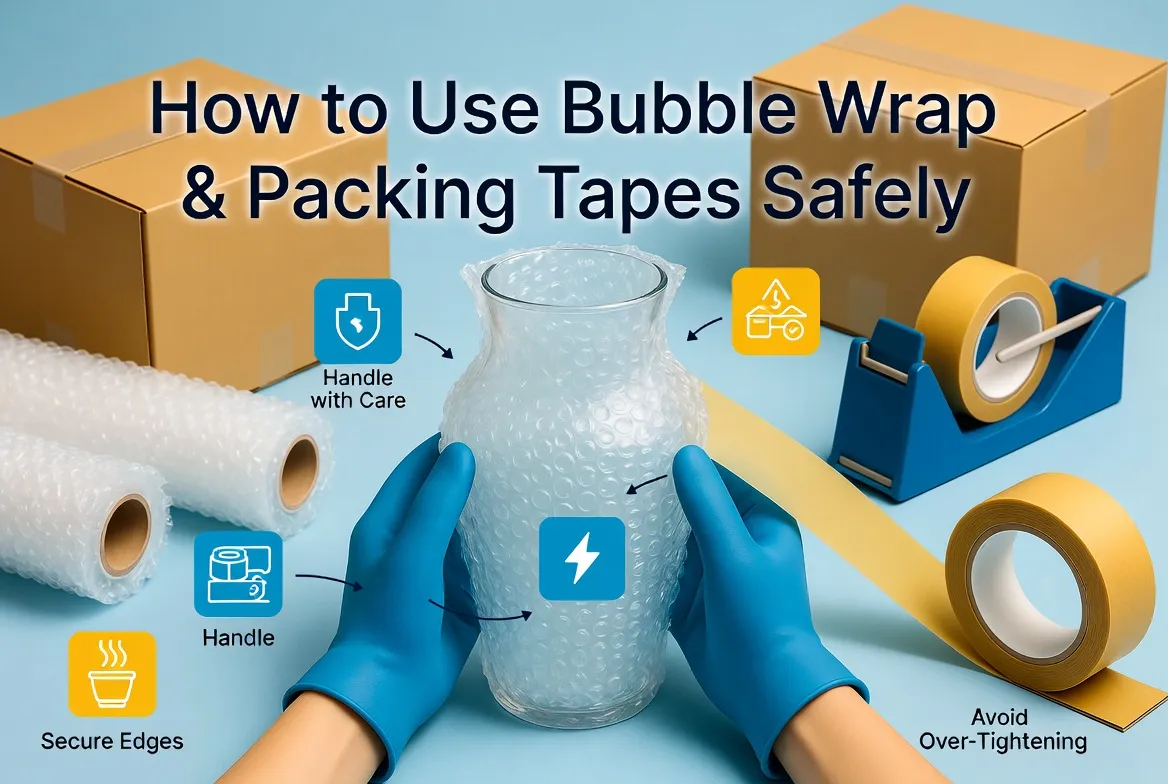
The short answer is simple: use the right box, the right cushioning, and the right tape for the item you are packing. Most parcel damage is not caused by couriers throwing boxes around. They happen because the contents can shift inside the package or because the carton was never suited to the item's weight in the first place. A few extra minutes spent choosing proper packaging materials can save hours of frustration later.
If you have ever unpacked a chipped mug after moving house or received a crushed online order, you have already seen what happens when packaging decisions are rushed. Understanding cardboard boxes, bubble wrap, and tape makes packing safer and far more reliable.
Why Packaging Materials Matter
People often focus on what they are sending rather than on how they are sending it. Yet packaging is the only thing standing between a product and everything it encounters on its journey. Parcels are stacked in warehouses, loaded into vans, moved along conveyor belts, and handled multiple times before reaching their destination.
That is why professional packers never rely on a single layer of protection. They combine a strong box, protective cushioning, and secure sealing to create a complete system.
How to Choose the Right Cardboard Box?
Searching for cardboard boxes near me is usually the first step. The second step is choosing a box that actually matches the job.
Single-Wall Boxes
Single-wall cartons are the workhorses of everyday packaging. They are widely used because they are practical, lightweight, and easy to store.
Common uses include:
· Clothing and fabrics
· Books and magazines
· Office supplies
· Lightweight household items
For somebody moving between flats or sending ordinary retail goods, these cartons often provide everything needed without unnecessary expense.
Double-Wall Boxes
Double-wall cartons are noticeably stronger. They are built for situations where extra protection is required.
Typical applications include the following:
· Electronics
· Glassware
· Kitchen appliances
· Heavier stock items
Warehouse teams regularly choose these boxes for valuable products because they hold their shape better when stacked during storage and transport.
Postal and Archive Boxes
Smaller cartons serve a different purpose. They help keep products organised while protecting them from knocks and dust.
Frequently used for:
· Subscription products
· Gifts
· Business records
· Small online orders
A properly sized box also reduces space, which means less movement during transit.
Which Bubble Wrap Works the Best?
Bubble wrap has remained popular for decades because it solves a simple problem. Air cushions absorb impacts better than many heavier materials. Not every roll is the same, however. Different bubble sizes offer different levels of protection.
Small Bubble Wrap
Small bubbles sit closer to the surface of an item. This makes them useful when protecting delicate finishes and fragile goods.
Often used for:
· Jewellery
· Ceramics
· Glass ornaments
· Mobile devices
Many craft sellers wrap handmade products this way because the material hugs the item closely without creating excessive bulk.
Large Bubble Wrap
Large bubble wrap is designed for bigger items that may experience stronger impacts. The larger air pockets provide additional cushioning during handling.
Regularly used for:
· Furniture
· Mirrors
· Framed artwork
· Computer equipment
A removal company transporting a dining table, for example, will often cover the corners and exposed edges with large sheets of bubble wrap before loading it onto the vehicle.
Anti-Static Bubble Wrap
Electronic products require special care because physical damage is not the only concern. Static electricity can also cause problems.
This material is commonly used for:
· Circuit boards
· Computer components
· Networking equipment
· Sensitive electronics
Technology businesses frequently rely on anti-static protection when shipping expensive hardware.
How to Get Better Results with Bubble Wrap?
The material itself is only part of the equation; how it is applied matters just as much.
Good practice includes:
· Wrapping items completely
· Protecting corners carefully
· Securing layers with tape
· Filling empty gaps inside cartons
Professional art shippers rarely leave unused space inside a package because movement is often what causes damage.
How Does Packing Tape Work?
A surprising number of parcels fail because the box opens during transit. Strong packing tape helps prevent that from happening.
Different tapes are designed for different working conditions.
Acrylic Tape
Acrylic tape remains a popular choice for everyday packing requirements.
Advantages include:
· Long-lasting adhesion
· Good storage performance
· Clear appearance
· Easy handling
It is commonly found in stockrooms, offices, and home moving kits throughout the UK.
Hot Melt Tape
Hot-melt tape is preferred when speed and strength are important.
Frequently used for:
· E-commerce orders
· Warehouse operations
· Heavy cartons
· Distribution centres
Its strong initial grip makes it particularly useful during busy dispatch periods.
Printed and Security Tape
Printed tapes combine practical sealing with visual identification.
Businesses use them for:
· Brand visibility
· Security warnings
· Handling instructions
· Parcel recognition
This can be especially useful when large numbers of packages are moving through a supply chain simultaneously.
How to Apply Tape Properly?
Even premium tape cannot perform well if it is applied poorly.
Simple habits include:
· Sealing all seams
· Using enough tape
· Checking carton edges
· Storing tape correctly
Experienced warehouse managers often treat sealing as the final quality check before a parcel leaves the building.
Final Thoughts
Good packaging is rarely complicated. It comes down to matching materials to the task. Strong cartons provide structure, cushioning materials absorb shocks, and reliable packing tapes hold everything together. When those elements work as a team, parcels stand a far better chance of arriving in excellent condition.
Whether you are preparing stock for customers, packing family belongings before a move, or looking for cardboard boxes near me for a storage project, the same principles apply. Choose the correct box, use large bubble wrap when extra cushioning is needed, and seal packages carefully. Small decisions made at the packing bench can make a significant difference once the parcel begins its journey.
Related Reading
Top 10 Hidden Secrets About Business & Finance You Need to Know
Welcome to our in-depth exploration of Business & Finance. In an era defined...
Why Business & Finance is Transforming the Global Industry Landscape
Welcome to our in-depth exploration of Business & Finance. In an era defined...