How to Track Your Weight Management Progress with Simple Health Tools
By Khoka King
27 Views
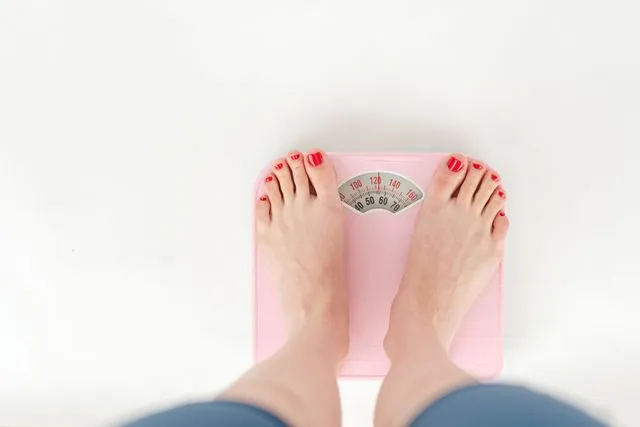
Managing your weight is a gradual process that involves more than watching the number on a weighing scale. Healthy weight management includes building sustainable eating habits, staying physically active, getting enough sleep, and monitoring changes in your overall well being. Tracking progress can help you understand which habits are working and where adjustments may be needed.
Today, several simple health tools make it easier to monitor weight, calculate body measurements, record physical activity, and review lifestyle habits. These tools can provide useful information without requiring complicated equipment or expensive subscriptions. The key is to use them consistently and understand what their results actually mean.
Why Tracking Weight Management Progress Matters
Tracking your progress helps you understand how your body responds to changes in diet, exercise, and daily routines. Without regular monitoring, it can be difficult to recognize gradual improvements or identify habits that are preventing you from reaching your goals.
For example, recording your weight over several weeks may reveal a gradual trend that is not obvious from daily measurements. Tracking exercise can show whether you are becoming more active, while a food journal can help identify eating patterns that influence your energy intake.
Progress tracking can also support motivation. Small improvements, such as walking longer distances, sleeping better, or maintaining a consistent exercise schedule, are worth recognizing even when your weight changes slowly.
However, monitoring should support healthy decisions rather than create unnecessary pressure. Your goal should be to understand long term patterns instead of reacting to every small change.
1. Use a BMI Tool to Understand Your Weight Status
Body Mass Index (BMI) is a commonly used screening measurement that compares a person's weight with their height. It can help adults understand their general weight category and identify whether further assessment may be useful.
A BMI Calculation Tool makes the calculation convenient by using your height and weight to estimate your BMI.
The formula is:
BMI = Weight in kilograms ÷ (Height in meters × Height in meters)
For example, if an adult weighs 75 kilograms and has a height of 1.75 meters, the calculation is:
75 ÷ (1.75 × 1.75) = 24.5
For most adults, this result falls within the standard healthy weight category.
Standard adult BMI categories are generally defined as follows:
-
Below 18.5: Underweight
-
18.5 to 24.9: Healthy weight
-
25.0 to 29.9: Overweight
-
30.0 and above: Obesity
These categories are general screening guidelines, not a diagnosis. BMI does not distinguish between muscle and fat, and it does not show where body fat is stored. Athletes and muscular individuals may have higher BMI values without having excess body fat.
Use the result as one part of your overall assessment rather than treating it as the only measure of health.
2. Monitor Your Weight Consistently
A weighing scale is one of the simplest tools for monitoring weight changes. However, measurements are most useful when collected under similar conditions.
If you choose to monitor your weight, consider weighing yourself at the same time of day, such as in the morning after using the bathroom and before breakfast. Use the same scale on a firm, level surface.
Body weight naturally fluctuates because of hydration, food intake, digestion, hormonal changes, and physical activity. A small increase from one day to the next does not necessarily mean you have gained body fat.
Instead of focusing on individual readings, review the overall trend across several weeks. You may also choose to weigh yourself less frequently if regular measurements cause stress.
A Body Weight Calculator can help you explore weight related measurements, but no calculation alone can determine your ideal weight or fully assess your health. Individual goals depend on factors such as age, medical history, body composition, and lifestyle.
3. Track Waist Circumference
Weight and BMI do not provide information about the distribution of body fat. Waist circumference can offer an additional measurement because excess abdominal fat is associated with a higher risk of certain metabolic conditions.
To measure your waist, use a flexible measuring tape and follow a consistent method. In general, place the tape around your abdomen at the midpoint between the bottom of your lowest rib and the top of your hip bone, following appropriate clinical measurement guidance.
Keep the tape level and snug without compressing the skin. Measure after breathing out normally.
Record the measurement along with the date. Checking it periodically can help you identify longer term changes.
Waist measurements should also be interpreted in context. Recommended thresholds differ across populations, and this measurement is not a diagnosis. A healthcare professional can help you understand what your result means for your individual health.
4. Use a Food and Nutrition Journal
A food journal helps you understand what you eat, how often you eat, and how your food choices relate to your goals.
You can use a notebook, spreadsheet, or nutrition tracking application. Record meals, snacks, drinks, approximate portions, and any patterns that you notice.
For example, you may discover that you frequently skip breakfast and feel unusually hungry later in the day. Alternatively, you may notice that sugary drinks contribute more to your daily intake than expected.
The purpose is not to judge every food choice or aim for perfection. It is to identify practical changes that support balanced nutrition.
Try to include vegetables, fruits, whole grains, protein sources, and healthy fats in your eating pattern. If calorie tracking feels stressful or you have a history of disordered eating, consider using a less numbers focused approach or seeking guidance from a registered dietitian.
5. Record Physical Activity and Exercise
Activity trackers, smartphone applications, and simple exercise logs can help you monitor movement throughout the week.
You might record daily steps, walking duration, cycling sessions, strength training, or other activities. Choose measurements that are relevant to your current fitness level and realistic goals.
For general health, adults should aim for at least 150 minutes of moderate intensity aerobic activity each week, along with muscle strengthening activities on two or more days, in line with public health recommendations.
If you are currently inactive, begin with manageable activities and gradually increase the duration or intensity. A short daily walk can be a useful starting point.
Remember that fitness progress is not always reflected by weight changes. Improved stamina, greater strength, better mobility, and increased consistency are meaningful achievements in their own right.
6. Monitor Sleep and Daily Habits
Sleep and stress can influence appetite, energy levels, recovery, and motivation to exercise. Monitoring these factors can help you understand why your progress may vary from week to week.
Use a journal or sleep tracking application to record bedtime, wake time, sleep quality, and daytime energy. Most adults need approximately seven to nine hours of sleep each night.
You can also note stress levels, water intake, and periods of unusually busy schedules. Over time, these records may reveal patterns between your routine and your well being.
Wearable devices can estimate sleep duration and activity, but their measurements are not always precise. Treat them as general guides rather than medical assessments.
7. Set Realistic Goals and Review Results
Effective tracking begins with clear and achievable goals. Instead of setting a broad target such as losing a large amount of weight quickly, focus on actions you can maintain.
Examples include walking for 20 minutes on most days, preparing balanced meals at home, or following a consistent sleep schedule.
Review your records every two to four weeks. Ask yourself whether your habits have become more consistent, whether your energy has improved, and whether your measurements show a meaningful trend.
If progress stalls, avoid making drastic changes immediately. Consider whether your routine is realistic and whether factors such as sleep, stress, medication, or health conditions may be affecting your results.
A healthcare professional or registered dietitian can help you set appropriate goals and adjust your approach when necessary.
Conclusion
Tracking weight management progress does not need to be complicated. Simple tools such as weighing scales, BMI calculators, measuring tapes, food journals, activity trackers, and sleep logs can help you understand your habits and monitor changes over time.
The most useful approach combines several indicators rather than relying on a single number. BMI and weight measurements provide context, while physical activity, nutrition, sleep, and general well being help create a broader picture of progress.
Focus on sustainable habits, review your results periodically, and seek professional advice when you have concerns about your weight or health. Consistent, realistic changes can help you build a healthier routine and maintain progress over the long term.