How to Track the Competency of SPD Staff Using a Skills Matrix
25 Views
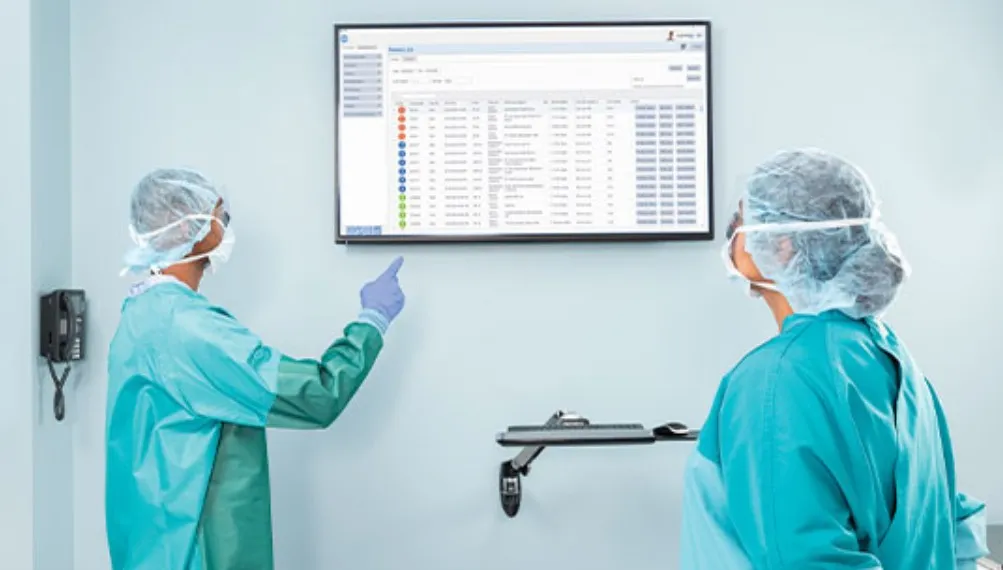
In modern healthcare facilities, the Sterile Processing Department (SPD) functions as the engine room of surgical safety. Every surgical tray, flexible endoscope, and power instrument processed by an SPD technician directly influences patient outcomes. Despite this vital role, many departments struggle to measure, track, and maintain technical competency across their workforce. Relying solely on past work history or basic attendance logs is no longer sufficient under current regulatory standards.
The Urgent Need for Systematic Competency Tracking in SPD
Sterile processing is no longer a simple routine of washing and wrapping instruments. Modern surgical techniques utilize complex robotic arms, delicate micro-instrumentation, and intricate lumen devices. Each manufacturer provides unique Instructions for Use (IFU) regarding cleaning agents, exposure times, and sterilization cycles.
Without a structured evaluation system, SPD managers face significant operational vulnerabilities:
-
Variable Processing Quality: Technicians may rely on memory or informal habit rather than updated IFUs, leading to missed cleaning steps or improper assembly.
-
Audit Non-Compliance: Regulatory bodies like The Joint Commission (TJC), CMS, and OSHA require verified, documented proof of ongoing clinical competency, not just initial onboarding records.
-
Inefficient Task Allocation: Without clear insight into individual capabilities, shift leads may accidentally assign complex assembly tasks or low-temperature sterilizer operations to staff lacking specialized proficiency.
A skills matrix addresses these challenges by transforming abstract observations into verifiable metrics, ensuring every technician operates within their validated scope of capability.
What is an SPD Skills Matrix?
A skills matrix is a centralized visual management tool—typically structured as a comprehensive table—that maps individual employee proficiencies against required departmental tasks and clinical standards. Unlike a simple binary checklist (capable vs. incapable), a well-designed matrix uses a tiered scoring system to grade proficiency levels across every phase of sterile processing.
A standard four-tier proficiency scale often includes:
-
Level 1 (Novice): Understands the basic theory but requires direct, constant supervision during execution.
-
Level 2 (Competent): Performs the task independently according to standard operating procedures (SOPs) and IFUs without constant supervision.
-
Level 3 (Proficient): Demonstrates high speed, accuracy, and troubleshooting skills; capable of assisting peers.
-
Level 4 (Master/Trainer): Possesses deep subject matter expertise, can audit work quality, and is qualified to precept new technicians.
By mapping every technician across this spectrum, department leaders gain a bird's-eye view of team capabilities and single-point operational dependencies.
Core Functional Areas to Map in Your SPD Matrix
To ensure total coverage, your skills matrix must reflect the full workflow cycle of the Central Sterile Supply Department (CSSD). Break your evaluation matrix into distinct operational categories, detailing specific tasks within each division:
-
Decontamination Protocols: Point-of-use care verification, manual cleaning techniques, ultrasonic cleaner operation, automated washer-disinfector maintenance, and chemical dosing accuracy.
-
Inspection, Assembly, and Packaging: Instrument identification, function testing (e.g., sharpness tests, insulation testing for laparoscopic tools), tray assembly accuracy, and proper wrapping/rigid container techniques.
-
Sterilization Operations: Steam sterilizer loading and cycle selection, low-temperature sterilization (VHP/Gas Plasma), biological indicator (BI) testing, and physical/chemical monitoring interpretation.
-
Specialized Device Handling: Processing flexible endoscopes, rigid scopes, power tools, and complex robotic surgery instruments according to precise IFUs.
-
Quality & Safety Systems: Event-related packaging integrity checks, recall procedures, environmental monitoring, and personal protective equipment (PPE) compliance.
Step-by-Step: Implementing the Matrix in Your Department
Transitioning from informal tracking to a formalized skills matrix requires clear communication and systematic execution. Follow these actionable steps to roll out the framework smoothly:
Step 1: Establish Standardized Performance Metrics
Before rating any staff member, define what "competency" means for each specific task. Align your evaluation criteria with established standards from ANSI/AAMI ST79, AST, and HOPA. Create written rubric descriptions so that different evaluators score staff consistently.
Step 2: Perform Initial Baseline Assessments
Conduct hands-on, direct-observation audits for each technician across all department stations. Avoid relying on self-assessments alone; pair self-evaluations with direct observation by a qualified certified educator or lead technician to ensure objectivity.
Step 3: Identify Strategic Skill Gaps and Bottlenecks
Analyze the completed matrix to uncover vulnerability points. For instance, if your matrix reveals that only two night-shift technicians are rated Level 3 or higher on low-temperature sterilizer troubleshooting, you have identified a significant operational bottleneck that requires immediate cross-training.
Bridging Competency Gaps with Structured Training
A skills matrix is only as useful as the remediation strategy attached to it. When baseline evaluations expose fundamental knowledge gaps—particularly among junior staff or technicians preparing for certification—ad-hoc training on the floor is rarely enough.
To build a resilient workforce, management should pair matrix evaluations with structured formal education. Enrolling technicians in a dedicated sterile processing technician course provides staff with essential theoretical grounding in microbiology, infection control, decontamination mechanics, and surgical instrumentation. Combining formal foundational education with hands-on matrix tracking ensures that technicians understand the underlying "why" behind every cleaning and sterilization protocol they perform.
Maintaining the Matrix for Audit Readiness and Staff Growth
A skills matrix must remain a living document to deliver lasting value. Static spreadsheets created once and filed away offer zero protection during a hospital inspection.
To sustain long-term effectiveness:
-
Schedule Regular Re-Evaluations: Conduct formal matrix updates annually, as well as whenever new surgical instrumentation, washer systems, or sterilizers are introduced to the department.
-
Integrate Matrix Ratings into Shift Rosters: Require charge nurses and shift supervisors to consult the skills matrix when creating daily station assignments, ensuring high-risk tasks are always paired with validated Level 3 or 4 technicians.
-
Link Matrix Progression to Career Pathways: Use matrix levels as clear benchmarks for professional development and promotion. Showing staff a clear route from Level 1 technician to Level 4 preceptor boosts morale, drives engagement, and lowers departmental turnover.
Final Thoughts
Implementing a skills matrix in the SPD transitions your department from reactive troubleshooting to proactive quality management. By objectively measuring technical proficiencies, identifying training gaps early, and supporting staff through ongoing formal education, SPD leaders can ensure consistent quality control, satisfy regulatory standards, and ultimately protect patient health in the operating room.