How to Support Language Development in Children at Every Stage
97 Views
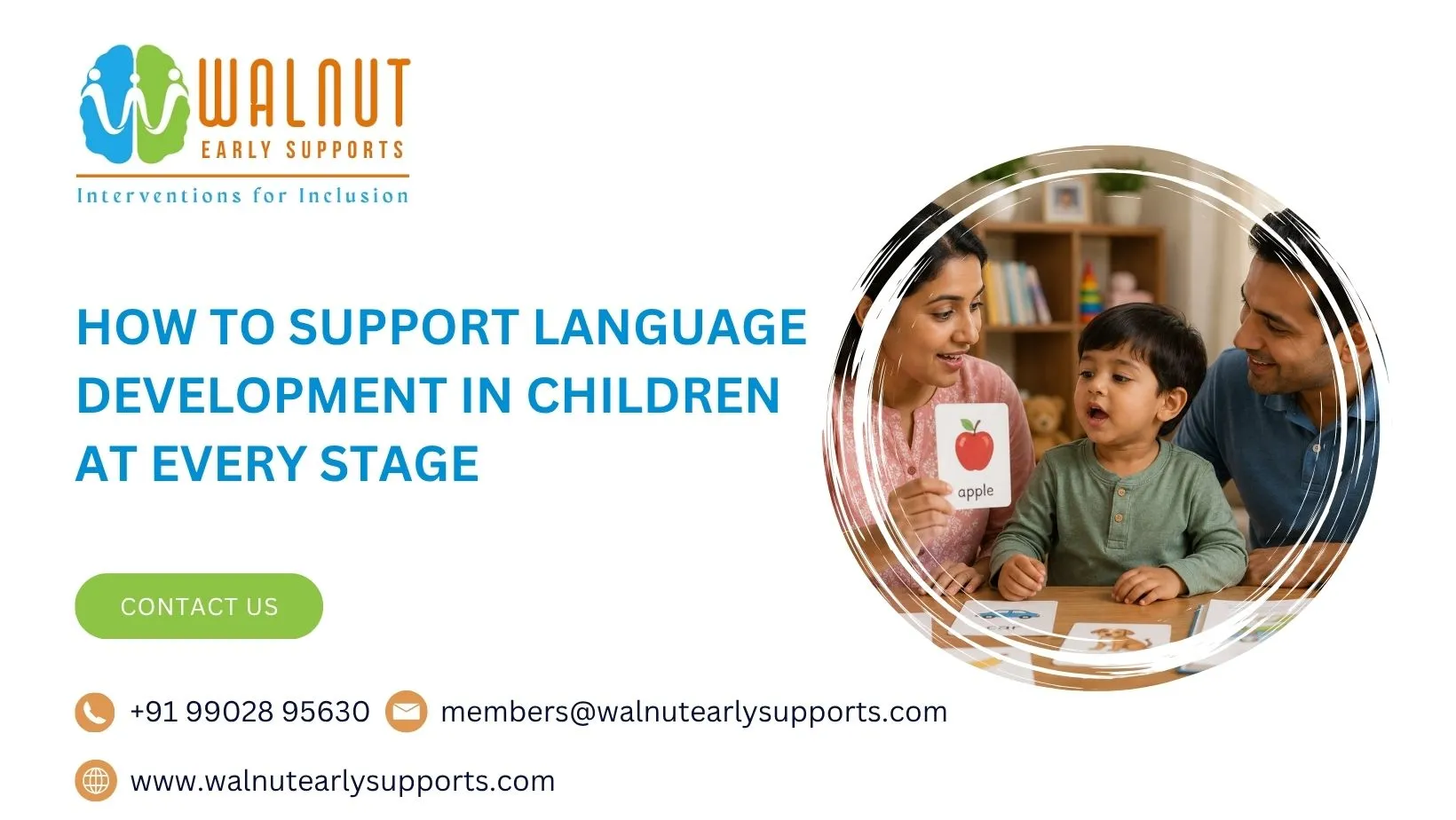
Every child develops communication skills at their own pace, but strong language skills are essential for learning, building relationships, and expressing thoughts and emotions. Supporting children from infancy through their school years helps create a solid foundation for lifelong success. While some children develop naturally with everyday interaction, others may benefit from language therapy to strengthen their communication skills and overcome challenges.
Understanding how language grows at different ages allows parents, caregivers, and educators to provide the right support when it matters most.
Why Is Language Development Important?
Communication is more than speaking words. It includes understanding language, following instructions, asking questions, sharing ideas, and interacting with others. Healthy language development in children supports academic achievement, emotional well-being, confidence, and social relationships.
Children who develop strong language skills often find it easier to learn new concepts, make friends, and participate actively in school. Early support can make a significant difference when delays or communication difficulties are noticed.
Supporting Babies and Toddlers (Birth to 2 Years)
The first two years of life are filled with rapid brain development. Even before babies say their first words, they learn by listening to voices, observing facial expressions, and responding to sounds.
Parents can encourage communication by talking throughout daily routines, naming familiar objects, singing simple songs, and reading picture books together. Responding warmly to babbling and gestures also teaches children that communication has meaning.
If a child is not responding to sounds, making eye contact, or attempting to communicate by around their first birthday, discussing these concerns with healthcare providers is recommended.
Encouraging Preschoolers (2 to 5 Years)
During the preschool years, children begin forming longer sentences, asking questions, and expanding their vocabulary quickly. This stage offers many opportunities to build communication naturally through everyday experiences.
Reading stories together, encouraging pretend play, talking during meals, and asking open-ended questions help children use language in meaningful ways. Simple conversations about their day also improve listening and expression.
Interactive language development games such as matching pictures, storytelling cards, rhyming activities, and naming games make learning enjoyable while strengthening vocabulary and sentence-building skills.
Helping School-Age Children Grow
As children enter school, language becomes increasingly important for reading, writing, classroom participation, and problem-solving. Parents should continue encouraging conversations about books, hobbies, and daily experiences.
Children benefit from opportunities to explain ideas, describe events, and solve simple problems through discussion. Reading together and introducing new vocabulary naturally during everyday conversations also supports continued language growth.
If children struggle to understand classroom instructions, organize their thoughts, or communicate clearly, additional support may be beneficial.
Recognizing Possible Language Difficulties
Some children need extra help developing communication skills. Early identification allows intervention before difficulties affect learning and confidence.
Common signs of language disorders in children may include delayed first words, difficulty following directions, limited vocabulary compared to peers, trouble forming sentences, or difficulty understanding conversations.
These signs do not always indicate a long-term problem, but they should be evaluated by qualified professionals who understand child communication development.
How Language Therapy Can Help
When communication challenges are identified, language therapy provides structured support tailored to a child's individual needs. Therapy focuses on improving understanding, vocabulary, sentence formation, listening skills, and effective communication in everyday situations.
Sessions are designed to be engaging and practical, often using play, books, visual supports, and real-life activities. Parents are also guided with strategies they can continue at home to reinforce progress between sessions.
Working with experienced language therapy professionals ensures that children receive evidence-based intervention suited to their strengths, challenges, and developmental stage.
Supporting Learning at Home
Parents play an essential role in helping children develop language every day. Small, consistent activities often have the greatest impact.
Create regular opportunities for conversation without distractions. Read together daily, encourage children to ask questions, introduce new words naturally, and allow enough time for them to respond without rushing.
Using high-quality child development therapy resources can also provide structured activities that reinforce communication skills in fun and engaging ways. Combining these resources with everyday conversations creates a supportive learning environment.
For children who need additional support, speech therapy for children may complement language-focused intervention by addressing speech clarity alongside communication development.
Final Thoughts
Every stage of childhood brings new opportunities to build communication skills. By talking, reading, playing, and responding with patience, parents can support healthy language growth from infancy through the school years.
When concerns arise, seeking guidance early can make a meaningful difference. Language therapy provides children with the skills they need to communicate confidently, participate in learning, and build positive relationships. With consistent encouragement at home and professional support when needed, every child has the opportunity to strengthen their communication abilities and reach their full potential.
Related Reading
Expert Insights: Navigating the Complex World of Education & Learning
Welcome to our in-depth exploration of Education & Learning. In an era defin...
Why Education & Learning is Transforming the Global Industry Landscape
Welcome to our in-depth exploration of Education & Learning. In an era defin...