How to Select Durable and Safe Kids School Furniture for Daily Use
By Neha Rajput
115 Views
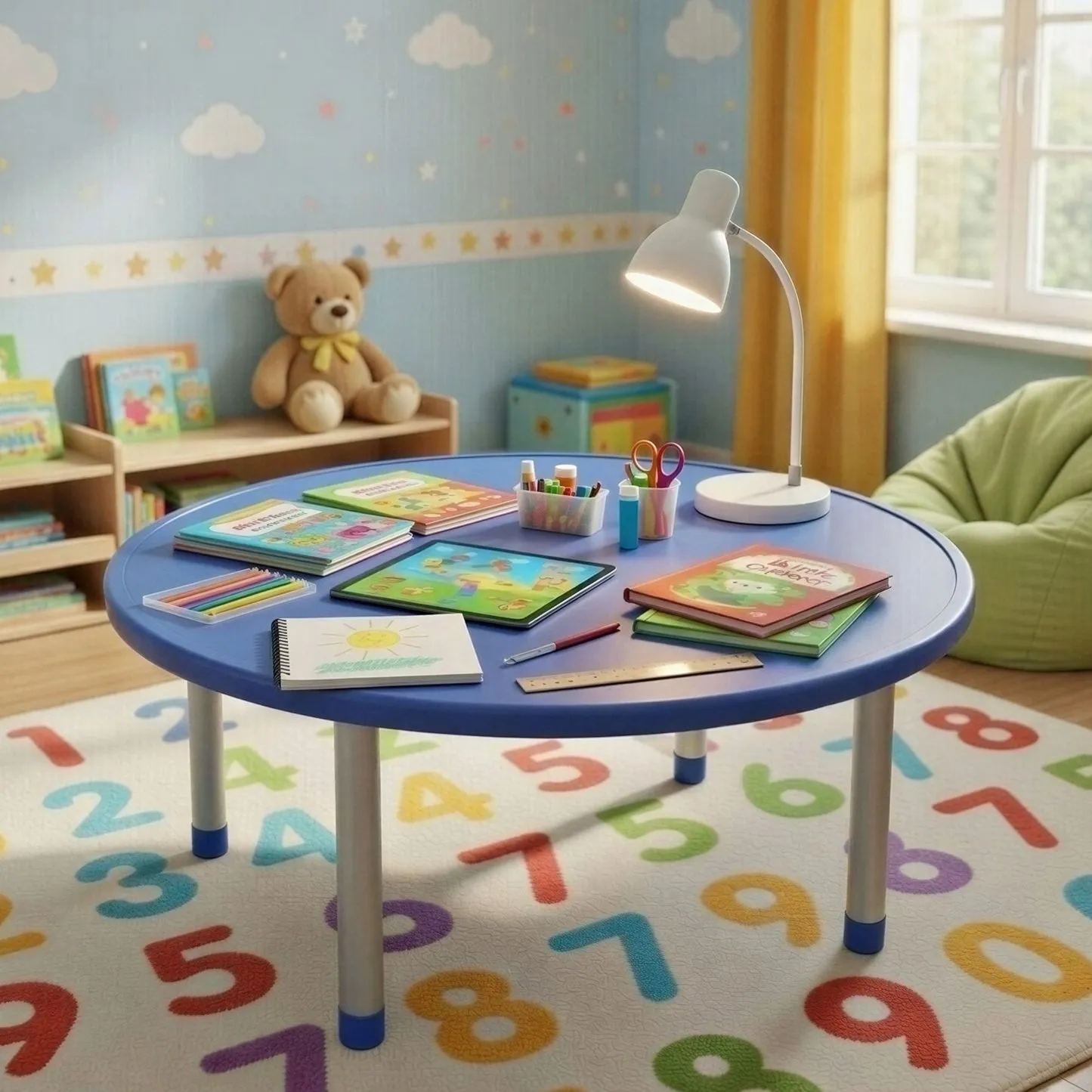
The classroom environment plays a major role in a child’s learning experience. While teaching methods and educational resources are important, the furniture students use every day also has a significant impact on comfort, safety, and productivity. Children spend several hours sitting, reading, writing, and participating in classroom activities, making it essential to choose furniture that supports their daily needs.
Selecting durable and safe kids School Furniture requires careful consideration of materials, design, ergonomics, and long-term usability. The right choices can create a more comfortable learning environment while helping schools reduce maintenance and replacement costs over time.
Understand the Importance of Quality Furniture
Classroom furniture is used extensively throughout the school year. Desks, chairs, storage units, and activity tables are constantly subjected to movement, handling, and regular wear. Poor-quality furniture may deteriorate quickly, creating safety concerns and additional expenses.
Investing in durable kids School Furniture helps ensure that classrooms remain functional and comfortable for years. High-quality furniture can withstand daily use while maintaining its appearance and structural integrity.
Prioritize Student Safety
Safety should always be the first consideration when evaluating classroom furniture. Children are naturally active and may accidentally bump into desks, chairs, or storage units during daily activities.
Safe kids School Furniture should feature smooth surfaces, rounded corners, and sturdy construction. Sharp edges, loose parts, and unstable designs can increase the risk of injuries. Furniture should remain stable during normal classroom use and provide a secure environment for students of all ages.
Choose Age-Appropriate Designs
Children's physical needs vary depending on their age and stage of development. Furniture that is too large or too small can affect posture, comfort, and concentration.
When selecting kids School Furniture, schools should consider the height, reach, and seating requirements of the students who will use it. Properly sized desks and chairs allow children to sit comfortably with their feet supported and their work surfaces positioned at an appropriate height.
Age-appropriate furniture helps promote healthy posture and supports a more effective learning experience.
Evaluate Material Durability
The materials used in classroom furniture directly affect its lifespan and maintenance requirements. Since school environments experience frequent use, durable materials are essential.
High-quality kids School Furniture is typically designed to resist scratches, stains, moisture, and everyday wear. Strong materials help prevent damage caused by constant movement and repeated use. Durable furniture not only lasts longer but also maintains a professional and organized appearance within the classroom.
Selecting materials that are easy to clean can also simplify maintenance and support better hygiene practices.
Focus on Ergonomic Comfort
Comfort is an important factor in student performance. Children who are uncomfortable may struggle to maintain focus during lessons and classroom activities.
Ergonomically designed kids School Furniture supports proper posture by encouraging natural sitting positions. Chairs should provide adequate support, while desks should allow students to work comfortably without unnecessary strain.
Comfortable furniture helps reduce fatigue and allows students to remain engaged throughout the school day. Over time, proper ergonomic support can contribute to healthier sitting habits and improved concentration.
Consider Flexibility and Classroom Layout
Modern classrooms often support a variety of teaching methods, including individual learning, group projects, and collaborative activities. Flexible furniture can help schools adapt to these changing needs.
Versatile kids School Furniture allows educators to rearrange classroom layouts efficiently. Lightweight yet durable designs make it easier to create different learning environments without compromising stability or safety.
Flexible furniture solutions can also maximize available space and improve classroom organization.
Check Stability and Structural Strength
Durability is not just about material quality; structural design is equally important. Classroom furniture must remain stable even with continuous daily use.
Before selecting kids School Furniture, it is important to evaluate the strength of joints, frames, and supporting components. Furniture should be able to handle frequent movement and active classroom environments without becoming loose or unstable.
Strong construction helps reduce repair costs and extends the useful life of classroom furnishings.
Look for Easy Maintenance
Schools often manage large numbers of students, making easy maintenance a valuable feature. Furniture that is difficult to clean or repair can increase operational costs and create unnecessary challenges for staff.
Practical kids School Furniture should feature surfaces that can be cleaned quickly and efficiently. Materials that resist stains and moisture help maintain cleanliness while reducing the effort required for routine upkeep.
Easy maintenance contributes to a healthier classroom environment and helps preserve the furniture's appearance over time.
Support Inclusive Learning Environments
Modern classrooms are designed to accommodate diverse student needs. Furniture should support accessibility and create a comfortable environment for all learners.
Thoughtfully designed kids School Furniture can help ensure that students with varying physical abilities can participate comfortably in classroom activities. Inclusive classroom design promotes equal access to learning opportunities and enhances the overall educational experience.
Schools should consider accessibility requirements when planning furniture selection and classroom layouts.
Balance Cost and Long-Term Value
While budget is an important consideration, focusing solely on initial cost can sometimes lead to higher expenses later. Low-cost furniture may require frequent repairs or replacements, increasing long-term costs.
Investing in durable kids School Furniture often provides better value over time. Quality furniture typically lasts longer, requires less maintenance, and contributes to a safer and more productive learning environment.
Evaluating long-term performance rather than just purchase price helps schools make more cost-effective decisions.
Conclusion
Selecting durable and safe kids School Furniture involves more than simply choosing desks and chairs. Schools must consider safety, durability, ergonomics, flexibility, maintenance, and accessibility to create an effective learning environment.
Well-designed furniture supports student comfort, encourages proper posture, and withstands the demands of daily classroom use. By focusing on quality and long-term value, schools can provide students with a safe and supportive space that enhances both learning and development for years to come.
Related Reading
Expert Insights: Navigating the Complex World of Education & Learning
Welcome to our in-depth exploration of Education & Learning. In an era defin...
Why Education & Learning is Transforming the Global Industry Landscape
Welcome to our in-depth exploration of Education & Learning. In an era defin...