How to Renovate an Older Home in Mississauga Without Overspending
19 Views
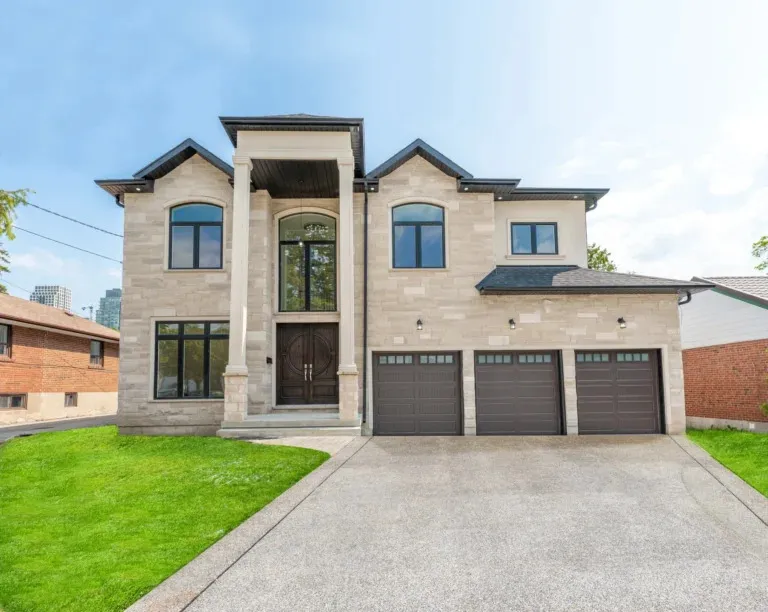
Renovating an older home can improve comfort, functionality, energy efficiency, and property value. However, older properties may contain hidden problems that increase renovation costs if they are not identified early. Careful planning, realistic budgeting, and informed decisions can help homeowners modernize their properties without unnecessary expenses.
A successful Home Renovation Mississauga project begins with understanding the home's existing condition, identifying essential repairs, and deciding which upgrades provide the greatest long-term benefits. By following a structured approach, homeowners can make practical improvements while keeping spending under control.
Inspect the Property Before Starting Renovations
Before choosing paint colours, flooring, or kitchen designs, assess the home's overall condition. Older houses may have outdated electrical systems, plumbing problems, roof damage, poor insulation, or moisture issues.
Addressing these concerns early can prevent expensive repairs later. Consider hiring qualified professionals to inspect areas that require technical expertise, especially when structural changes or major system upgrades are planned.
Pay particular attention to:
-
Roof leaks, damaged shingles, and deteriorating exterior materials.
-
Plumbing leaks, outdated pipes, and drainage concerns.
-
Electrical wiring, outlets, and electrical panel capacity.
-
Foundation cracks, uneven floors, and signs of water infiltration.
-
Windows, doors, insulation, and ventilation.
A thorough inspection helps homeowners distinguish essential repairs from optional improvements. This is an important first step toward affordable home renovation in Mississauga.
Create a Realistic Renovation Budget
A detailed budget helps prevent overspending and makes it easier to prioritize projects. Start by listing the renovations you want to complete, then estimate the cost of materials, labour, permits, waste removal, and finishing work.
It is also wise to establish a contingency fund. Older homes sometimes reveal hidden issues once walls, floors, or ceilings are opened. Setting aside approximately 10–20% of the estimated budget can provide a financial cushion, although complex renovations may require a larger reserve.
To manage costs effectively:
-
Obtain written estimates from multiple qualified contractors.
-
Compare the scope of work rather than looking at price alone.
-
Confirm whether materials, labour, and cleanup are included.
-
Track expenses throughout the project.
-
Avoid adding unnecessary features after construction begins.
For a Home Renovation Mississauga project, a realistic budget should reflect the property's condition, the complexity of the work, and the quality of materials selected.
Prioritize Essential Repairs Over Cosmetic Upgrades
It can be tempting to focus on attractive finishes, modern cabinets, and decorative lighting. However, cosmetic improvements should not take priority over problems that affect safety, structural integrity, or building performance.
For example, repairing a leaking roof before installing new ceilings can prevent damage to recently completed work. Similarly, addressing moisture problems before laying new flooring can reduce the risk of deterioration and mould growth.
Divide planned improvements into three categories:
-
Essential: Structural repairs, water damage, electrical hazards, and urgent plumbing issues.
-
Important: Insulation improvements, window replacements, and functional kitchen or bathroom upgrades.
-
Optional: Decorative features, premium finishes, and nonessential design changes.
This approach helps homeowners direct available funds toward improvements that protect the property and support long-term value.
Choose Materials That Balance Quality and Cost
Affordable renovation does not necessarily mean selecting the cheapest available materials. Low-cost products may require frequent repairs or replacement, increasing their lifetime cost.
Instead, compare durability, maintenance requirements, warranties, and suitability for the intended space. For example, moisture-resistant flooring may be more appropriate for certain areas than materials that are easily damaged by water.
Homeowners can also reduce costs by retaining existing features that remain in good condition. Refinishing solid wood floors, repainting suitable cabinets, or repairing existing doors may be more economical than replacing everything.
During a Home Renovation Mississauga project, thoughtful material selection can help balance appearance, durability, and the available budget.
Improve Energy Efficiency Where Practical
Older homes may have inefficient heating systems, inadequate insulation, air leaks, or outdated windows. Improving energy efficiency can increase indoor comfort and may reduce energy consumption over time.
Potential upgrades include sealing air leaks, improving attic insulation, servicing heating equipment, and replacing inefficient windows when appropriate. Before investing in major upgrades, evaluate the home's current performance and identify improvements with realistic benefits.
Homeowners should also consider applicable rebate programs and eligibility requirements before including potential incentives in their budgets. Program availability and conditions can change, so current details should be verified through official sources.
An energy-efficient approach to home remodeling in Mississauga can support long-term savings while making living spaces more comfortable.
Work With an Experienced Renovation Contractor
Choosing the right contractor can help reduce mistakes, delays, and unexpected expenses. Look for relevant experience with older properties, clear communication, detailed estimates, and appropriate insurance.
Ask prospective contractors for references and examples of comparable projects. Review the proposed schedule, payment milestones, warranty terms, and responsibilities for permits and inspections before signing an agreement.
Homeowners researching Home Renovation Mississauga services may consider GrandBuild Homes when exploring renovation options. As with any contractor, it is important to review the company's relevant experience, written scope of work, references, and project terms to determine whether it suits the property's requirements and budget.
Avoid making decisions based solely on the lowest quote. An unusually low estimate may exclude necessary work or use assumptions that later lead to additional charges.
Understand Permits and Local Requirements
Some renovation projects require permits or other approvals, particularly when they involve structural modifications, additions, plumbing changes, or alterations to building systems. Requirements depend on the project's specific scope.
Before construction begins, check the City of Mississauga's official building permit guidance and confirm whether the planned work requires approval. Work affecting shared property, heritage-designated buildings, or condominium spaces may involve additional considerations.
Planning for permits and inspections in advance can help prevent delays, compliance problems, and unexpected costs.
Conclusion
Renovating an older property does not have to result in unnecessary spending. Careful inspections, realistic budgeting, practical material choices, and prioritizing essential repairs can help homeowners achieve meaningful improvements while protecting their investment.
A well-planned Home Renovation Mississauga project should focus on safety, functionality, durability, and long-term value rather than appearance alone. By comparing contractors carefully, understanding local requirements, and avoiding unnecessary changes, homeowners can modernize older homes while maintaining better control over renovation expenses.