How To Remove Stubborn Warts With Modern Treatment
26 Views
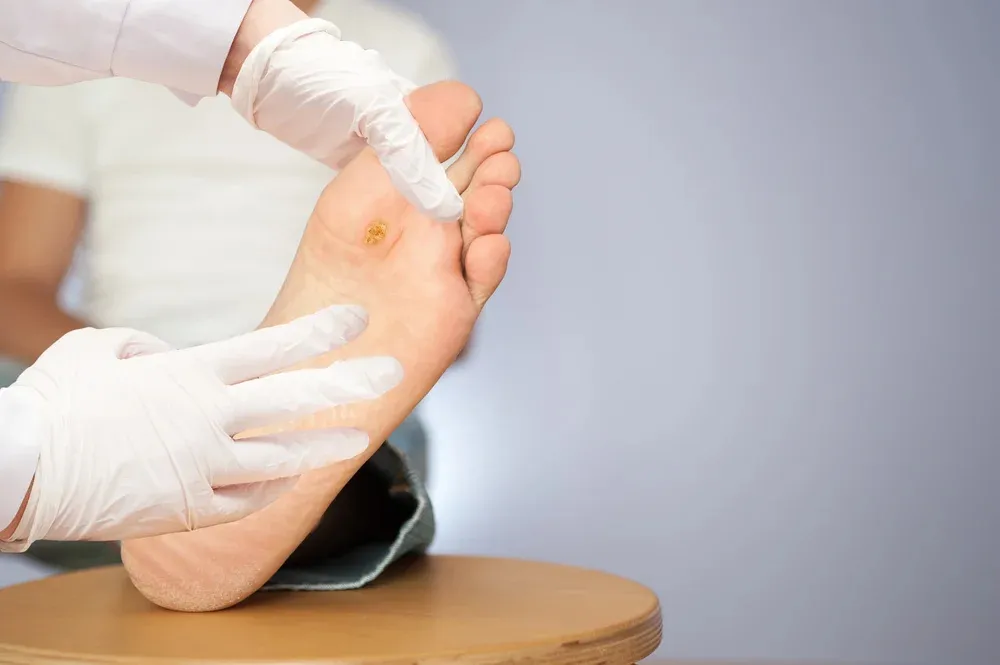
Stubborn warts can be frustrating, especially when they remain despite trying common home remedies. These rough, raised skin growths may appear on the hands, feet, fingers, or other areas and can sometimes affect confidence as well as comfort. Fortunately, modern dermatological approaches offer several ways to address persistent warts safely and effectively. For people looking for Wart Removal in Dubai, understanding the available treatment options and what to expect can help make the process easier.
What Causes Stubborn Warts?
Warts are generally caused by certain types of human papillomavirus (HPV). The virus can enter the skin through small cuts, scratches, or other minor breaks in the skin and cause cells in the affected area to grow more rapidly.
Some warts disappear naturally as the immune system responds to the virus. However, others can remain for months or even longer. Warts may also spread from one area of the body to another through scratching, picking, or close skin contact.
Factors that may contribute to persistent warts include:
- A weakened immune response
- Repeated irritation or friction
- Picking or scratching the affected area
- Direct contact with an infected wart
- Walking barefoot in shared damp environments
Because different types of warts can look similar to other skin growths, professional assessment is useful before starting treatment.
Why Are Some Warts Difficult to Remove?
Not every wart responds to the same treatment. Common warts may be relatively easy to manage, while plantar warts on the soles of the feet can be more resistant because pressure from walking pushes them deeper into the skin.
The thickness, location, size, and duration of a wart can all influence how it responds to treatment. Some may also return after appearing to disappear because the virus can remain in surrounding skin.
This is why persistent warts often require a more targeted approach rather than repeatedly using the same home treatment.
Modern Options for Wart Removal
Advances in dermatology have introduced several treatment methods for stubborn warts. The most suitable option depends on the wart's characteristics and the individual's skin.
Cryotherapy
Cryotherapy uses controlled freezing to damage the wart tissue. The treated area may become red, swollen, or develop a blister before the wart gradually separates from the skin.
It is a commonly used approach for various types of warts and may require more than one session when the growth is particularly persistent.
Laser Treatment
Laser-based procedures can target stubborn wart tissue using concentrated energy. Depending on the technology used, the treatment may help destroy the affected tissue while limiting exposure to surrounding skin.
Laser treatment may be considered when warts have not responded adequately to other approaches. A qualified professional can determine whether this method is appropriate based on the wart's location and characteristics.
Electrosurgery
Electrosurgery uses controlled electrical energy to remove or destroy wart tissue. It can be useful for selected persistent warts, particularly when other treatments have not produced the desired response.
Because the procedure is more targeted, professional assessment and appropriate aftercare are important.
Prescription and Topical Treatments
Certain medically supervised topical treatments can gradually break down wart tissue or stimulate the body's immune response. These options may be useful for specific wart types and locations.
Treatment should be selected carefully because some products can irritate healthy skin if they are applied incorrectly.
What Happens During Wart Removal Treatment?
The process usually begins with an examination of the affected area. The treatment provider assesses the wart's size, location, appearance, and history before recommending an appropriate method.
Depending on the chosen procedure, the area may be cleaned and prepared before treatment. Some methods take only a short time, while others may require repeated sessions.
After treatment, mild redness, tenderness, swelling, or temporary skin changes can occur. Following aftercare instructions can help support healing and reduce unnecessary irritation.
How To Support Better Results
Professional treatment is only one part of managing stubborn warts. Simple habits can help reduce irritation and the possibility of spreading the virus.
Consider these practical measures:
- Avoid picking, cutting, or scratching the wart.
- Keep the affected area clean and dry.
- Do not share towels, nail tools, razors, or other personal items.
- Cover the wart when appropriate, particularly if it is easily irritated.
- Avoid walking barefoot in communal wet areas.
- Follow recommended aftercare after a professional procedure.
- Avoid repeatedly applying harsh products without professional guidance.
These steps can help protect the treated area and reduce opportunities for the wart to spread.
Is Wart Removal Suitable for Everyone?
Wart treatment is not necessarily the same for every person. Skin type, age, wart location, number of growths, previous treatment, and overall skin condition can influence the recommended approach.
For example, a wart on the face may require a different strategy from a thick plantar wart. Sensitive areas may also need extra care to reduce the risk of irritation or unwanted changes in pigmentation.
Anyone with a growth that is bleeding, changing rapidly, unusually painful, or uncertain in appearance should seek professional evaluation rather than attempting to remove it independently.
What Results Can You Expect?
The response to wart treatment varies. Some warts may improve after a single procedure, while stubborn or deeply established growths can require several treatment sessions.
It is also possible for a wart to return after treatment. This does not necessarily mean the procedure was unsuccessful; persistent HPV-related skin changes can sometimes require additional management.
Patience and consistent aftercare are therefore important when dealing with long-standing warts.
Why Consider Professional Wart Removal in Dubai?
Dubai offers access to modern dermatological technologies and professionally supervised skin treatments. Choosing professional Wart Removal in Dubai can be particularly helpful when a wart has resisted over-the-counter products, keeps returning, or causes discomfort.
A professional evaluation can help distinguish a wart from other types of skin growth and identify an appropriate treatment strategy. Rather than repeatedly experimenting with home remedies, getting the condition assessed can provide a clearer path toward smoother, healthier-looking skin.
Final Thoughts
Stubborn warts do not always disappear quickly, but modern treatment options can provide effective ways to manage persistent growths. Cryotherapy, laser procedures, electrosurgery, and medically supervised topical treatments may all have a role depending on the individual case.
If a wart continues to remain despite basic treatment, professional assessment is a sensible next step. With the right approach, careful treatment, and proper aftercare, persistent warts can often be managed more effectively while helping protect the surrounding skin.