How to Prevent Kidney Disease Naturally
By Zuraiz Khan
101 Views
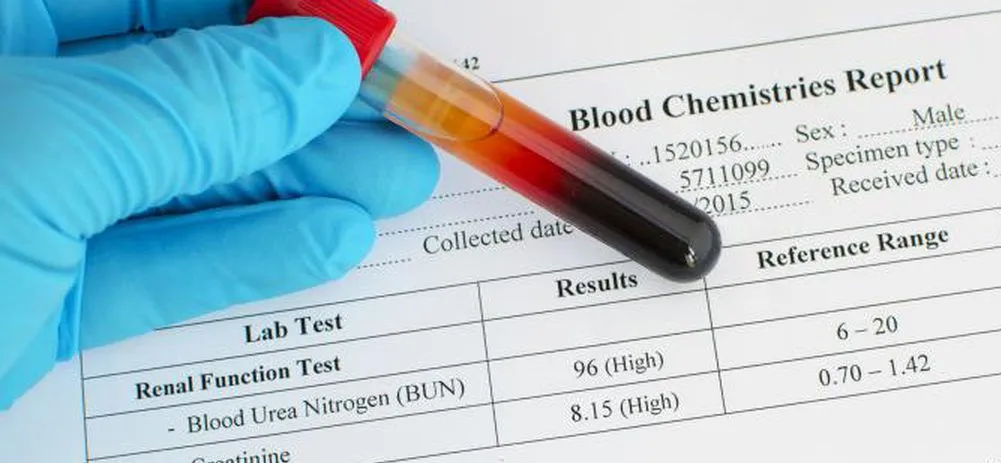
Your kidneys are among the hardest-working organs in your body. Every day, they filter waste products from your blood, regulate fluid balance, maintain electrolyte levels, help control blood pressure, and support red blood cell production. Because the kidneys perform so many essential functions, keeping them healthy is vital for overall well-being.
Kidney disease often develops gradually and may not cause noticeable symptoms until significant damage has occurred. Fortunately, many of the leading risk factors for kidney disease can be managed through healthy lifestyle choices. Learning how to prevent kidney disease naturally can help protect your kidney function, reduce the risk of chronic kidney disease (CKD), and improve your long-term health.
Understand What Causes Kidney Disease
Before discussing prevention, it's important to understand what can damage the kidneys.
Common causes of kidney disease include:
- Diabetes
- High blood pressure
- Obesity
- Smoking
- Chronic dehydration
- Frequent use of certain pain medications
- Family history of kidney disease
- Kidney infections
- Kidney stones
Although some risk factors cannot be changed, many lifestyle-related causes can be managed naturally.
Stay Properly Hydrated
Water is essential for healthy kidney function. Your kidneys rely on adequate hydration to remove waste products and toxins through urine.
Drinking enough water helps:
- Flush out waste products
- Reduce the risk of kidney stones
- Support proper blood circulation
- Maintain electrolyte balance
Most healthy adults benefit from drinking sufficient fluids throughout the day, although individual needs vary depending on age, activity level, climate, and medical conditions. Instead of forcing excessive water intake, aim to stay hydrated by drinking when you're thirsty and increasing fluids during hot weather or exercise.
Eat a Kidney-Friendly Diet
A balanced diet is one of the most effective natural ways to protect your kidneys.
Focus on foods such as:
- Fresh fruits
- Leafy green vegetables
- Whole grains
- Beans and legumes
- Lean proteins
- Healthy fats from nuts, seeds, and olive oil
These foods provide vitamins, minerals, antioxidants, and fiber that support overall health while reducing inflammation and protecting blood vessels.
Limiting processed foods is equally important because they often contain excessive sodium, unhealthy fats, and added sugars that place extra strain on the kidneys.
Reduce Salt Intake
Too much sodium can increase blood pressure, causing damage to the tiny blood vessels responsible for filtering blood inside the kidneys.
To reduce sodium consumption:
- Limit processed snacks.
- Choose fresh foods whenever possible.
- Avoid adding excessive table salt.
- Read nutrition labels carefully.
- Use herbs and spices instead of salt for flavor.
Lowering salt intake supports both kidney health and cardiovascular health.
Keep Your Blood Pressure Under Control
High blood pressure is one of the leading causes of chronic kidney disease.
Even mildly elevated blood pressure over many years can gradually damage kidney tissues.
Natural ways to maintain healthy blood pressure include:
- Exercising regularly
- Reducing sodium intake
- Maintaining a healthy weight
- Limiting alcohol consumption
- Managing stress
- Eating potassium-rich foods if appropriate and recommended by your healthcare provider
Monitoring your blood pressure regularly allows early intervention before kidney damage develops.
Manage Blood Sugar Levels
People with diabetes are at significantly higher risk of kidney disease because elevated blood sugar damages the kidneys' delicate filtering units.
If you have diabetes or prediabetes:
- Monitor your blood glucose regularly.
- Follow your prescribed treatment plan.
- Choose high-fiber carbohydrates.
- Limit sugary beverages.
- Exercise consistently.
- Maintain regular follow-up appointments.
Keeping blood sugar within the recommended range can greatly reduce the risk of diabetic kidney disease.
Exercise Regularly
Physical activity benefits nearly every organ in the body, including the kidneys.
Regular exercise helps:
- Lower blood pressure
- Improve blood sugar control
- Reduce inflammation
- Maintain a healthy weight
- Improve circulation
Adults should aim for at least 150 minutes of moderate-intensity exercise each week. Walking, cycling, swimming, and strength training are all excellent choices for supporting kidney health.
Maintain a Healthy Weight
Being overweight increases the likelihood of developing diabetes, hypertension, and heart disease all of which can contribute to kidney damage.
Healthy weight management involves:
- Balanced nutrition
- Portion control
- Regular physical activity
- Adequate sleep
- Long-term lifestyle habits rather than crash diets
Even modest weight loss can improve metabolic health and reduce stress on the kidneys.
Avoid Smoking and Limit Alcohol
Smoking reduces blood flow to the kidneys and damages blood vessels throughout the body. It also increases the risk of hypertension and cardiovascular disease, both of which negatively affect kidney function.
Excessive alcohol intake may contribute to dehydration, high blood pressure, and liver disease, indirectly increasing kidney stress.
Quitting smoking and drinking alcohol in moderation can significantly improve overall kidney health.
Use Medications Wisely
Certain medications can harm the kidneys when used excessively or without medical supervision.
Pain relievers such as nonsteroidal anti-inflammatory drugs (NSAIDs), including ibuprofen and naproxen, may reduce blood flow to the kidneys when taken frequently or in high doses.
To protect your kidneys:
- Avoid unnecessary self-medication.
- Follow dosage instructions carefully.
- Inform your doctor about all medications and supplements you take.
- Never exceed the recommended dose.
Always consult a healthcare professional before using medications for extended periods.
Get Enough Sleep and Manage Stress
Poor sleep quality and chronic stress can contribute to high blood pressure, hormonal imbalances, and unhealthy lifestyle habits that indirectly affect kidney health.
Healthy stress-management techniques include:
- Meditation
- Deep breathing exercises
- Yoga
- Spending time outdoors
- Reading
- Regular physical activity
Aim for seven to nine hours of quality sleep each night to support your body's natural repair processes.
Schedule Regular Health Checkups
Kidney disease often develops silently, making routine screening extremely important, especially for individuals with risk factors.
Your doctor may recommend periodic kidney function assessments using:
- Serum creatinine
- Estimated glomerular filtration rate (eGFR)
- Blood urea nitrogen (BUN)
- Urinalysis
- Urine albumin testing
These simple tests can detect kidney problems long before symptoms appear.
Recognize Early Warning Signs
Although kidney disease may not cause symptoms initially, you should seek medical evaluation if you notice:
- Swelling in the legs or face
- Persistent fatigue
- Changes in urination
- Blood in urine
- Foamy urine
- High blood pressure
- Persistent nausea
- Muscle cramps
- Lower back pain near the kidneys
Early diagnosis allows timely treatment and may prevent permanent kidney damage.
Who Is Most at Risk?
Certain individuals should be especially proactive about kidney health.
Higher-risk groups include:
- People with diabetes
- Individuals with hypertension
- Adults over 60 years
- People with obesity
- Smokers
- Those with heart disease
- Individuals with a family history of kidney disease
If you belong to one of these groups, regular kidney screening is particularly important.
Conclusion
Preventing kidney disease naturally begins with adopting healthy daily habits that protect your kidneys over the long term. Staying hydrated, eating a balanced diet, limiting salt, controlling blood pressure and blood sugar, exercising regularly, maintaining a healthy weight, avoiding smoking, and using medications responsibly all contribute to better kidney health. Since chronic kidney disease often progresses without obvious symptoms, routine screening is essential, particularly for individuals with risk factors.
By taking preventive steps today, you can lower your risk of kidney disease and support your overall health for years to come. If you need a kidney health assessment or want to schedule a renal function test in lahore, Instacare.pk makes it easy to book trusted diagnostic services with reliable laboratories across Pakistan, helping you stay proactive about your health.