How to Plan a Hiking Vacation: A Complete Guide for Beginners
49 Views
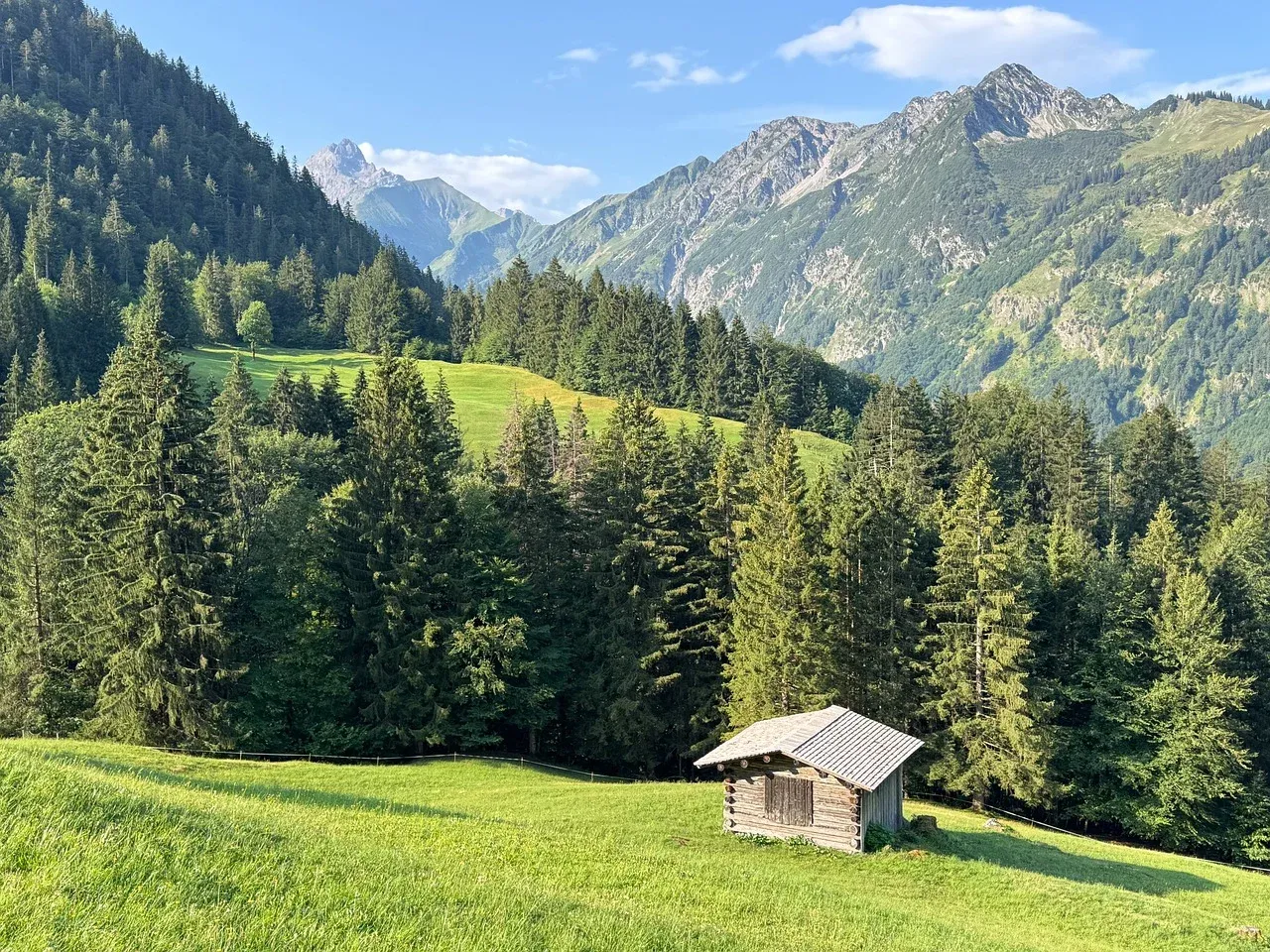
Have you ever looked at a mountain and thought, "I want to go up there"? Hiking vacations are one of the best ways to explore nature and feel free. Many people now choose adventure vacation packages to make their trip easy and stress-free. But if you want to plan your own hiking trip, it is not as hard as it sounds. All you need is a little bit of planning and the right information. This guide will show you exactly how to plan a hiking vacation from start to finish.
1. Pick the Right Trail for You
The very first step is to choose a trail that matches your fitness level. Not every trail is the same. Some trails are flat and easy, while others are steep and long. As a beginner, always start with easy or moderate trails.
Here are a few things to think about when picking a trail:
- Distance: How many miles can you walk in a day? Start small — maybe 3 to 5 miles.
- Elevation gain: This means how much you climb going up. Less is better for beginners.
- Trail type: A loop trail brings you back to where you started. An out-and-back trail means you walk back the same way.
You can use free apps like AllTrails or HikingProject to find trails near you. These apps show you reviews from other hikers, trail maps, and difficulty levels. Pick a trail that sounds fun but does not feel scary.
2. Choose Your Hiking Destination
Once you know your fitness level, it is time to pick a place to go. The world is full of amazing hiking spots! You do not have to travel far to find a great trail.
Some popular beginner-friendly places in the United States include:
- Smoky Mountains, Tennessee – soft paths through green forests
- Rocky Mountain National Park, Colorado – big views with easy trail options
- Zion National Park, Utah – red rocks and gentle riverside walks
If you want to go somewhere outside the US, places like New Zealand, Costa Rica, and Canada have wonderful hiking spots for beginners too.
Think about what kind of nature you love most — do you like forests, rivers, or big open fields? Pick a place that makes you excited to get out of bed in the morning.
3. Plan How Long Your Trip Will Be
Now you need to decide how many days you want to hike. A weekend trip is perfect for beginners. You can hike one or two trails and still have time to rest.
A good plan for a 3-day hiking trip looks like this:
- Day 1: Travel to your destination and rest
- Day 2: Go on your main hike
- Day 3: Do a shorter hike or explore the area before heading home
Do not try to hike every single day without a break. Your legs and feet need time to rest. Rest days are just as important as hiking days.
4. Get the Right Gear and Clothes
You do not need to spend a lot of money on gear when you are just starting out. But you do need the right things to stay safe and comfortable.
Here is a simple gear list for beginner hikers:
- Hiking shoes or boots – Your feet need good support. Do not wear flip-flops or sandals on a trail.
- Backpack – A small daypack (15 to 25 liters) works great for day hikes.
- Water bottle or hydration pack – Drink water often. You lose a lot of water when you walk.
- Snacks – Bring energy bars, nuts, or fruit to keep your energy up.
- Sunscreen and sunglasses – Protect your skin and eyes from the sun.
- Rain jacket – Weather can change fast in the mountains. Always be ready.
- Map or downloaded trail app – Do not rely only on cell service. Mountains can have poor signal.
Wear layers of clothing so you can add or remove them as the weather changes. Avoid wearing cotton because it stays wet and can make you cold.
5. Book Your Stay in Advance
Where you sleep during your hiking vacation matters a lot. There are many options, and you should book early — especially if you are going during a popular season like summer.
Here are your options:
- Campgrounds – Sleeping in a tent is a fun way to connect with nature. Many national parks have campgrounds you can book online.
- Cabins or lodges – These give you more comfort and a warm bed after a long day.
- Hotels nearby – If you prefer a regular bed and a hot shower, stay at a hotel close to the trailhead.
Booking early is very important. Popular parks and campgrounds fill up fast. Try to book at least 2 to 3 months ahead during busy seasons.
6. Learn Basic Trail Safety Rules
Safety is the most important part of any hiking trip. Even easy trails can have surprises. Here are some simple rules every beginner must follow:
- Tell someone where you are going. Let a friend or family member know your trail name and when you plan to come back.
- Start early in the morning. Most hikers begin at sunrise. This helps you finish before afternoon storms arrive.
- Stay on the marked trail. Do not go off the path. It is easy to get lost in the woods.
- Watch the weather. Check the forecast the night before and on the morning of your hike.
- Know when to turn around. If you feel too tired, too hot, or the weather looks bad — go back. There is no shame in turning around. The trail will always be there next time.
7. Pack the Ten Hiking Essentials
Every hiker — even a beginner — should carry the ten essentials in their backpack. This list was created to help people survive if something goes wrong on the trail.
The ten essentials are:
- Navigation (map and compass or phone app)
- Sun protection (sunscreen, hat, sunglasses)
- Insulation (extra warm layers)
- Illumination (flashlight or headlamp)
- First-aid kit
- Fire starter (matches or lighter)
- Repair tools and knife
- Nutrition (extra food)
- Hydration (extra water)
- Emergency shelter (a light tarp or emergency blanket)
You do not need to carry all of this in a heavy bag. Many of these items are small and light. This list just makes sure you are ready for anything.
8. Respect Nature and Leave No Trace
When you hike, you are a guest in nature's home. It is very important to take care of the places you visit so that others can enjoy them too.
Follow these simple rules:
- Pack out all trash. If you carry it in, carry it out.
- Stay on the trail. Walking off the path can hurt plants and animals.
- Do not pick flowers or move rocks. Leave everything just the way you found it.
- Keep noise low. Wildlife needs peace and quiet too.
Conclusion
Planning a hiking vacation is not hard when you take it one step at a time. Pick a trail that fits your fitness, pack the right gear, book your stay early, and always put safety first. The more you prepare, the more fun you will have out on the trail. So lace up your boots, grab your backpack, and take that first step into the wild, your best adventure is waiting for you.