How to Market HVAC Maintenance Plans Before the Busy Season Begins
By Lily Parker
16 Views
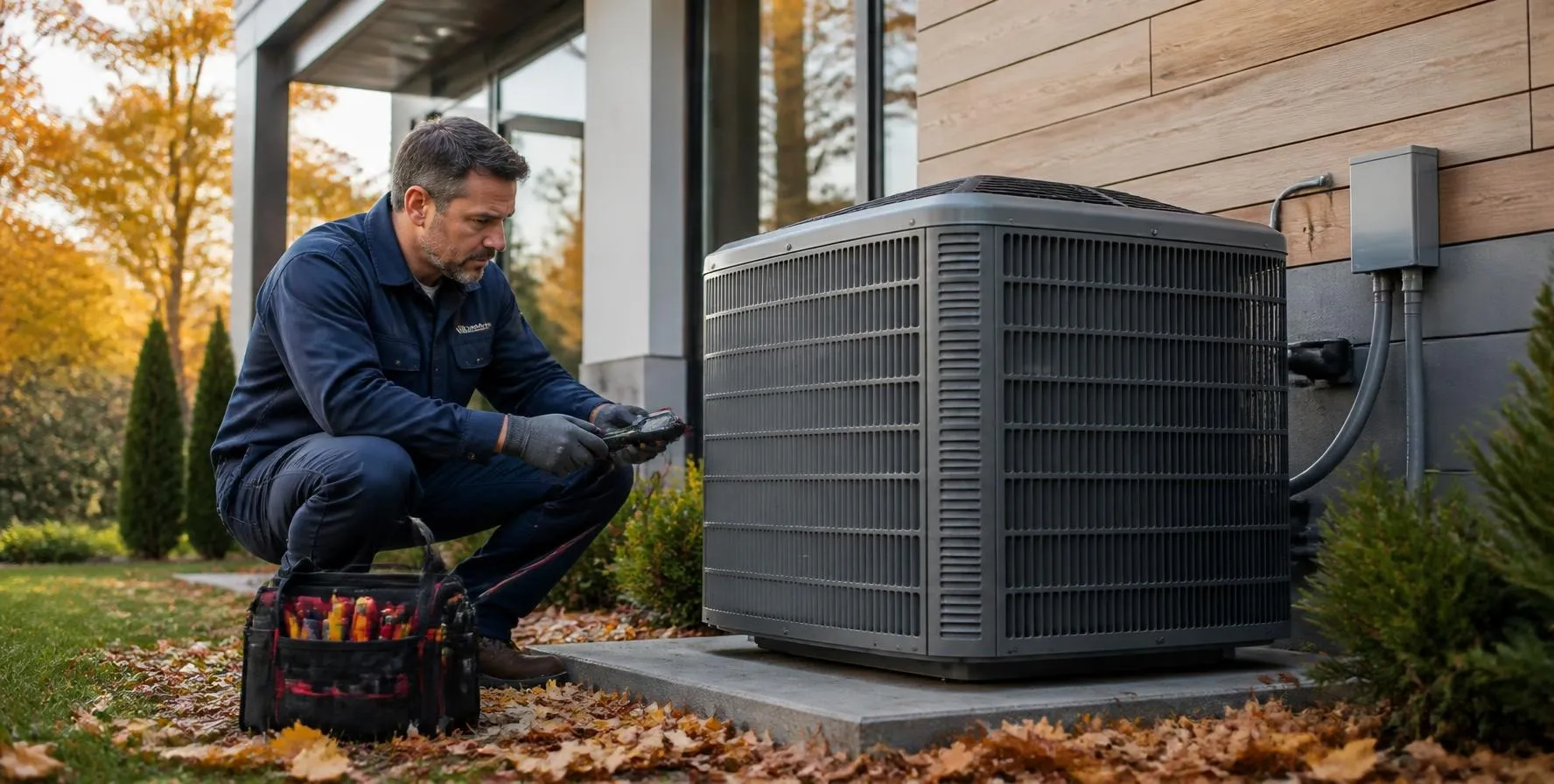
For HVAC businesses, demand often increases when temperatures become uncomfortable. Homeowners start looking for air conditioning repairs before summer and heating services before winter. While this creates opportunities for new bookings, it can also put pressure on technicians and leave little time to promote preventive maintenance.
Marketing maintenance plans before the busy season helps HVAC companies reach customers earlier, schedule service visits more efficiently, and build relationships beyond one-time repairs. The key is to explain the value of regular maintenance before customers urgently need their systems fixed.
1. Start Marketing Before Demand Peaks
Waiting until the busiest weeks to promote maintenance plans can limit the time customers have to schedule appointments. Starting campaigns several weeks or months earlier gives homeowners an opportunity to plan ahead.
For example, an HVAC company preparing for summer can begin promoting air conditioning inspections in early spring. Businesses in colder regions can use a similar approach before winter, focusing on heating system checks.
The ideal timing depends on the local climate, customer demand, and the company's appointment capacity. Reviewing previous years' booking patterns can help determine when to begin outreach.
Early promotion also allows businesses to spread appointments across a longer period instead of handling too many requests at once.
2. Explain What Customers Get From a Maintenance Plan
Customers may not understand why they should pay for scheduled maintenance when their heating or cooling system appears to be working properly. Marketing should explain what the plan includes and how it helps homeowners manage routine upkeep.
Depending on the package, a maintenance plan might include scheduled inspections, filter checks, system cleaning, priority scheduling, or discounts on selected repairs. Businesses should clearly state which services are included and whether additional charges apply.
Avoid relying only on broad promises about savings or preventing breakdowns. Instead, explain the practical benefits of regular servicing, such as identifying potential issues early and keeping equipment maintained according to manufacturer recommendations.
Clear information helps customers compare options and decide whether a plan suits their needs.
3. Use Local SEO to Reach Customers Searching for HVAC Services
Homeowners often search online when they need an air conditioning inspection, furnace maintenance, or seasonal system check. A strong local search presence can help HVAC businesses appear when these needs arise.
Start by reviewing the company's Google Business Profile to ensure its business information, service details, contact information, and operating hours are accurate. Regular updates can also communicate seasonal offers or remind customers to schedule maintenance.
The company website should include a dedicated maintenance-plan page explaining the available services, plan terms, service areas, and booking process.
Relevant local content can support this effort. For example, an article explaining how to prepare an air conditioner for summer can link readers to the company's maintenance service. The content should answer genuine customer questions rather than simply repeat location-based keywords.
4. Use Email to Reach Existing Customers
Previous customers are often a useful audience for maintenance-plan promotions because they already have a relationship with the business. Their service history may also help the company identify appropriate times for follow-up, provided the information is used responsibly.
An email campaign can remind customers that the next heating or cooling season is approaching and explain why scheduling maintenance early may be helpful.
Keep the message specific. Include the plan's main benefits, what the visit covers, how to book, and any genuine booking deadlines. If the business offers different plans, provide enough information for customers to understand the differences.
Segmenting communications by service history or equipment type can make reminders more relevant. Businesses should also follow applicable email marketing and privacy requirements.
5. Use Paid Ads to Promote Seasonal Maintenance
Paid advertising can help HVAC companies reach potential customers before seasonal demand rises. Google Ads can target people actively searching for maintenance services, while Meta advertising can introduce seasonal reminders and offers to relevant audiences.
The message should match the audience's needs. Someone searching for furnace maintenance may respond to a specific service offer, while a homeowner seeing a social media ad may need a clearer explanation of why seasonal servicing matters.
Send visitors to a dedicated landing page rather than a general homepage. The page should explain the plan, outline its terms, and make booking straightforward.
Businesses using paid campaigns should monitor completed bookings and qualified enquiries, not just clicks. This helps determine whether advertising is generating useful demand.
6. Make Booking Easy and Follow Up Promptly
Even a well-planned campaign can lose potential customers if booking is difficult. Make the next step clear across the website, emails, and advertisements.
Customers should be able to call, submit a short enquiry form, or use an online booking option where available. Forms should request only the information needed to arrange the next step.
When someone expresses interest but does not complete a booking, a timely follow-up can help answer questions and clarify availability. Staff should be prepared to explain plan inclusions, pricing, scheduling, and any limitations without pressuring customers.
It is also important to promote only the appointment slots the business can realistically accommodate.
7. Measure Results Before the Season Starts
Tracking performance helps HVAC companies understand which marketing activities generate maintenance-plan bookings.
Useful measures include the number of enquiries, completed bookings, plan sign-ups, cost per acquired customer, and revenue generated by each campaign. Comparing results across email, organic search, paid ads, and social media can reveal which channels contribute most effectively.
Businesses should also review how early customers book and whether demand is distributed evenly across the available schedule. These insights can improve the timing and messaging of future campaigns.
Final Thoughts
Marketing HVAC maintenance plans before the busy season gives customers more time to schedule service and helps businesses prepare for changing demand. A combination of clear plan information, local SEO, customer email reminders, targeted advertising, and convenient booking can support this goal.
The most effective campaigns begin early, communicate realistic benefits, and make the next step easy. By reviewing booking patterns and marketing results, HVAC companies can refine their approach before the next seasonal rush.