How to Manage Delays in Industrial Construction?
By Ethan Murphy
168 Views
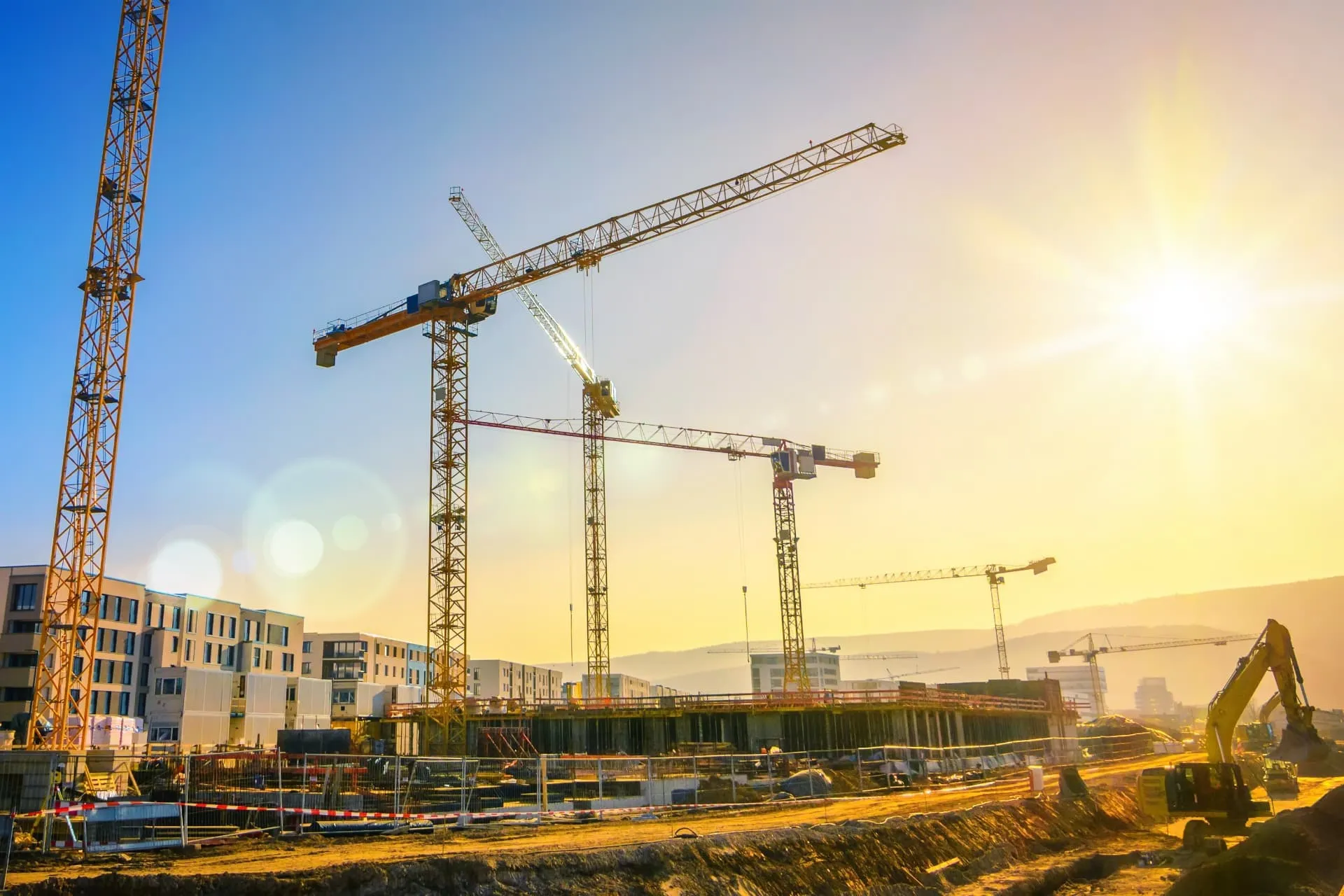
Projects in industrial construction are under high pressure due to strict time frames, large budgets, and the need for control. Delays pose serious challenges because they lead to increased costs, reduced trust, and a negative impact on the final project result. The project leader should understand that delay control is not something that can be done on the side but that it's a fundamental responsibility. The system of limiting and controlling delays relies on strong planning, clever tracking, fast decision-making, and smart tracking.
Every delay starts from a clear cause that must be identified with precision and focus before any corrective action begins. Poor planning, late material delivery, labour shortages, and design revisions create some of the most common delay points in industrial projects. Weather conditions also introduce risks that interrupt schedules and slow progress across multiple work areas. Strong project teams evaluate these challenges early and develop systems that reduce their impact before they become major problems. Accurate construction cost estimating helps contractors understand project costs, material quantities, labour expenses, and budget requirements before construction starts, allowing better planning and stronger control over schedule-related risks.
How to Create a Reliable and Realistic Schedule?
An effective schedule is essential to the success of all industrial projects. Weak schedules often fail because they do not take into consideration the actual conditions on site and can create unrealistic expectations. Project managers are required to develop detailed timetables, which must include all resources and tasks with their realistic durations. It is essential to include buffer time in the case of high-risk activities so as not to ruin schedules. Schedules that are structured help to reduce the chaos in complex construction activities.
Resource Allocation and Planning
Resources drive every part of construction work, so poor resource planning creates delays that spread across the entire project. Labour, equipment, and materials must be available at the right time and in the right quantity for smooth progress. Project leaders must track resource usage daily and adjust allocation based on real-time needs. Shortages must be solved quickly before they grow into larger issues that stop work completely. Strong planning with accurate industrial building estimates ensures that resources stay aligned with project demands from start to finish.
All Teams Can Improve Communication
The clearer the communication, the better. This will eliminate confusion and delays that can occur in construction projects. Updates must be communicated regularly, accurately, and with complete clarity by all parties involved, including workers, engineers, suppliers, managers, and others. Miscommunications lead to rework and mistakes that cause project delays and cost increases. Every day, meetings, progress reports, and updates keep everyone up to date and focusing on the same goal. Solid communication systems help build trust while ensuring that issues are resolved quickly and without delay.
Track Progress in Real Time
It gives leaders an overview of their project progress and helps to identify delays as early as possible. Unless delays are tracked, they grow slowly until major problems become difficult to handle. Modern tools, software, and other technologies provide instant updates on schedule performance, work status and resource use. It is important that project managers review these data every day and respond immediately to any problems. A quick response will reduce damages and ensure that the project continues to progress with stability.
Managing Risks and Problems
A risk management program can be a very effective tool in controlling delays because it helps to prepare the project team for unexpected situations and obstacles. All projects have risks associated with weather, supply chains and availability of workers, as well as technical issues. The leader must anticipate these risks and devise backup plans in order to mitigate their effects on the project's schedule. Reactive solutions are always more expensive after an incident. Planning for risk effectively creates confidence and can protect the timeline against sudden interruptions.
Easily Control the Design of Your Product
It is difficult to make design changes because it disrupts ongoing construction and requires rework, which takes time and resources. Clients and stakeholders often demand changes during construction. This leads to confusion and slows progress. Project managers should establish a system for handling design changes with strict approvals. Prior to implementation, every change must have its effects on time, cost, and resources evaluated. Change management that is controlled protects schedules and ensures the smooth performance of construction.
Strengthen Supply Chain Management
Supply chain problems can cause delays to industrial construction projects in different industries, regions, and countries. Delays in the delivery of materials and equipment can lead to delays, which increase cost and reduced efficiency. Strong relationships and reliable suppliers will ensure the timely delivery and reliability of supplies and equipment. If the main suppliers fail, backup sources must be established to ensure that critical supplies are not disrupted. Effective supply management supports project success and builds resilience.
Lead Your Team With a Clear Direction by Training
An efficient and motivated team reduces the amount of time it takes to accomplish tasks and improves execution. Worker training helps them perform their tasks efficiently and with greater accuracy. Leading with clarity and focus on the project's goals is essential. Leaders have to establish a culture where team members understand their roles and responsibilities. High-performance groups deliver consistent project results.
You Must Act Quickly and Decisively
Delay management requires quick decision-making, as slow reactions can allow problems and issues to multiply. Leaders are required to quickly analyse a situation and decide on the best possible solution. Indecision can lead to uncertainty and reduce confidence in the team, which is a further hindrance. Fast action and strong leadership are possible when there is a clear hierarchy of authority. Accuracy and speed combined create a powerful system to manage delays.
Review the Results and Make Improvements
In order to improve delay management, it is important that we learn from our mistakes. We can then apply better strategies and techniques in the future. Project teams should review each phase in order to understand what delayed the work and what was done. Using this analysis, you can gain valuable insights for the subsequent phase. Organizations that are strong build systems and processes which become stronger over time. In industrial construction, learning and adaptation are key to long-term success.
Final Thoughts
It takes discipline, leadership, and planning to effectively manage construction delays. There is a reason for each delay that needs to be identified quickly. When teams follow clear communication and a well-structured schedule and have a solid resource plan, they achieve better outcomes with less interruption. A powerful combination of intelligent systems, well-trained teams, quick decisions, and speedy decision-making creates an environment where delays can be managed and kept at a reasonable level. To be successful in the industrial construction industry, you need to have the confidence and ability necessary to complete your projects on time.
FAQs
What causes the majority of delays to industrial construction?
Ineffective planning, communication problems, and insufficient control of resources all contribute to a slowdown.
Why is planning important for reducing construction delays?
In order to improve control and minimize unexpected disruptions, it is important that teams are prepared for any risks.
What are the benefits of effective communication?
The clearest communication will ensure that everyone is on the same page and reduce errors.