How to Maintain Your Car After Auto Window Tinting in Sarasota
52 Views
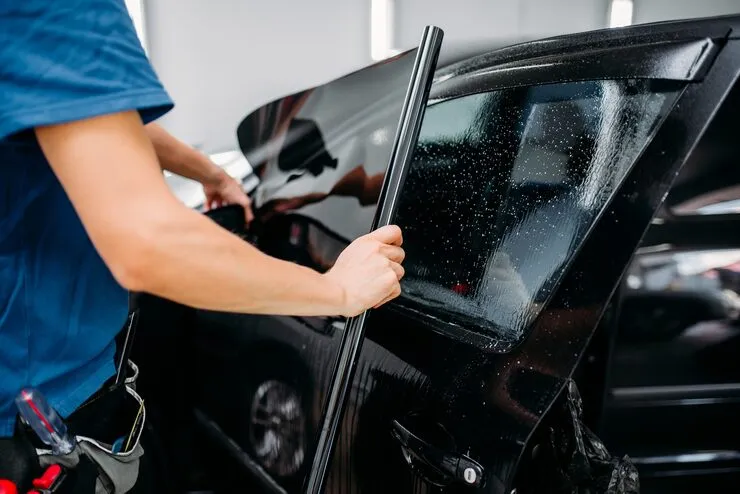
Your car’s window tint is more than just a stylish upgrade. It helps reduce glare, improve privacy, minimize heat inside the cabin, and protect your vehicle’s interior from intense sunlight. However, like any automotive enhancement, window tint needs proper care to maintain its appearance and performance over time. The way you clean, use, and protect your tinted windows can have a significant impact on how long they continue to look their best.
For vehicle owners who choose Auto Window Tinting Sarasota, FL, proper maintenance is especially important because Sarasota experiences strong sunshine, high temperatures, humidity, and frequent exposure to outdoor conditions. Fortunately, caring for tinted windows does not have to be complicated. With the right cleaning products, gentle habits, and a little attention to detail, you can help your window film remain smooth, attractive, and effective for many years.
Give Your New Window Tint Time to Cure
One of the most important steps after a professional tint installation is allowing the film to cure properly. During installation, a small amount of moisture is used to position the film against the glass. As the tint cures, this moisture gradually evaporates and allows the adhesive to bond securely. During this period, you may notice small bubbles, hazy patches, or a slightly cloudy appearance, which can be normal.
Avoid rolling down the windows during the curing period because the movement can disturb the film or damage the edges. The exact curing time can vary depending on the type of window film, weather conditions, and the installation process. Your tint professional should provide specific instructions, and following those instructions carefully is one of the easiest ways to protect your investment from the beginning.
Wait Before Cleaning the Tinted Windows
It can be tempting to clean your car immediately after getting new tint, especially if you want the windows to look perfectly clear. However, it is usually best to wait until the film has had enough time to cure. Cleaning too soon can interfere with the adhesive or place unnecessary pressure on the film before it has fully bonded to the glass.
Once the curing process is complete, regular cleaning can help maintain the appearance of your tint. Use a soft microfiber cloth and a gentle, tint-safe cleaning solution. Avoid rough paper towels, abrasive sponges, and aggressive scrubbing, as these can create fine scratches or damage the surface of the film over time.
Choose Cleaning Products Carefully
The type of cleaning product you use can make a major difference in the long-term condition of your window tint. Some traditional glass cleaners contain harsh chemicals that may affect certain types of window film. Using the wrong product repeatedly can potentially lead to fading, discoloration, or deterioration of the tint’s appearance.
For the best results, choose a cleaner specifically labeled as safe for automotive window film. Many professionals recommend ammonia-free products because ammonia can be harmful to some tint materials. If you are unsure which cleaner is suitable for your vehicle, ask your professional installer for a recommendation based on the specific film installed on your windows.
Helpful tools for cleaning tinted windows include:
- Soft microfiber towels
- Ammonia-free, tint-safe glass cleaner
- A clean spray bottle for a mild cleaning solution
- A separate dry microfiber towel for finishing
- Soft cloths for cleaning around window edges
Avoid using razor blades, rough brushes, abrasive pads, or household cleaning products that are not designed for automotive window film. Even small particles trapped between a rough tool and the glass can leave scratches. Using gentle tools and a suitable cleaning solution is a simple way to protect the finish of your tint.
Use the Correct Cleaning Technique
Even the best cleaning products can cause problems if they are used incorrectly. Before cleaning, remove loose dust and debris from the window surface. Whenever possible, spray the cleaning solution onto your microfiber cloth instead of directly onto the glass. This helps limit excess moisture around the edges of the window film.
Wipe the glass gently with smooth, even movements, then use a clean microfiber towel to remove remaining moisture and streaks. Avoid applying excessive pressure, especially near the edges of the tint. Gentle, regular cleaning is much safer than allowing heavy dirt to build up and then scrubbing aggressively to remove it.
Protect Your Tint From Excessive Heat
Sarasota’s warm and sunny climate is one of the reasons many vehicle owners choose window tint. Although quality automotive window film is designed to withstand regular sun exposure, reducing unnecessary heat can still help protect your vehicle’s interior and overall appearance. When possible, parking in a garage, under a carport, or in a shaded location can help limit direct heat exposure.
A windshield sunshade can also be useful when your car is parked outdoors for extended periods. It can help reduce heat buildup inside the vehicle and provide additional protection for the dashboard and interior materials. These simple habits can complement the performance of your window tint, particularly during Sarasota’s hottest months.
Prevent Scratches and Physical Damage
Automotive window tint is installed on the inside surface of the glass, which means it can be affected by objects that rub against the window. Be careful when placing bags, boxes, tools, or other items inside your vehicle. Hard objects that repeatedly contact the glass can potentially scratch the film.
Passengers should also avoid unnecessary contact with the tinted windows. Dirty hands, jewelry, sharp objects, and other items can leave marks or damage the surface. Taking a little extra care when entering and exiting the vehicle can help preserve the smooth, clean appearance of your window tint.
Be Careful With Window Accessories
Many drivers use accessories such as suction-mounted devices, sunshades, curtains, and other interior products. While these accessories can be useful, some may create friction or pressure against the tint. Repeated rubbing in the same area can eventually leave marks on the film.
Before using an accessory on or near a tinted window, make sure it is compatible with automotive window film. Check that suction cups, mounts, or plastic edges do not scrape against the glass. A small amount of caution can prevent unnecessary damage and help your tint maintain its original appearance.
Inspect Your Window Tint Regularly
A quick visual inspection every few weeks can help you identify potential issues before they become more serious. Look closely at the edges and surface of the film for signs of lifting, bubbling, peeling, scratches, or unusual discoloration. Early detection may make it easier to determine whether the issue can be addressed through professional service or a warranty.
If you notice a problem, avoid attempting to fix it yourself. Pulling at loose film or using sharp tools can cause additional damage. A professional tint technician can inspect the affected area and recommend the most appropriate solution based on the condition of the film.
Avoid DIY Repairs and Improper Removal
When window tint begins to peel or develop damage, some vehicle owners may try to repair it with household adhesives or by cutting away the affected section. Unfortunately, these methods can make the problem worse and may leave visible imperfections. Improper repairs can also make professional removal more difficult later.
If your tint is severely damaged, faded, or peeling, professional removal and replacement are usually the safest options. Experienced technicians have the proper tools and techniques to remove old film while reducing the risk of damage to the glass, defroster lines, or surrounding areas.
Keep the Vehicle Interior Clean
Maintaining the entire interior of your car can also help protect your window tint. Dust, dirt, and residue can build up on the glass, especially when passengers frequently touch the windows. Regular interior cleaning helps reduce the amount of debris that comes into contact with the film.
Encourage passengers to avoid touching the tinted glass unnecessarily. Fingerprints can usually be removed easily, but repeated contact with dirty hands or objects can leave behind oils and residue. A clean interior supports the overall appearance of your vehicle and helps your professionally installed tint look its best.
Know When to Contact a Professional
Even well-maintained window tint can eventually experience wear, especially after years of exposure to sunlight and daily use. If you notice significant bubbling, peeling, cracking, fading, or discoloration, it may be time to contact a professional for an inspection. A technician can determine whether the issue is minor or whether the affected film needs to be replaced.
Professional guidance can also be helpful if you have questions about cleaning products, curing times, or long-term maintenance. Since different window films have different materials and performance characteristics, advice based on your specific tint can help you protect your investment more effectively.
Conclusion
Maintaining your car after window tinting is a simple process that can make a meaningful difference in the film’s appearance and longevity. Allowing the tint to cure properly, using safe cleaning products, avoiding scratches, protecting your vehicle from unnecessary heat, and inspecting the film regularly are all practical steps that can help preserve its condition.
For Sarasota drivers, quality window tint can provide valuable benefits beyond style, including improved comfort, reduced glare, added privacy, and protection from intense sunlight. With proper care and professional assistance when needed, your automotive window tint can continue to provide a clean, polished appearance and dependable performance for years to come.
FAQS
How long should I wait before rolling down my windows after tinting?
The recommended waiting period depends on the type of film, installation method, and weather conditions. Your professional installer should provide specific instructions. Waiting until the recommended curing period has passed helps prevent the film from shifting, creasing, or lifting at the edges.
Can I use regular glass cleaner on my tinted windows?
It is best to use a cleaner specifically designed for automotive window film. Many traditional cleaners contain ammonia or other ingredients that may affect certain types of tint. Always check the product label and choose a tint-safe formula whenever possible.
How often should I clean my tinted windows?
You can clean your tinted windows whenever they become visibly dirty. Regular, gentle cleaning is usually better than allowing dirt and residue to build up. A soft microfiber cloth and a tint-safe cleaning solution are generally suitable for routine maintenance.
What should I do if my window tint starts bubbling or peeling?
Do not pull at the film or attempt to repair it with household products. Contact a professional tint installer for an inspection. Depending on the situation, the issue may be covered under a warranty or may require professional removal and replacement.
How can I extend the life of my automotive window tint?
Use gentle cleaning methods, avoid abrasive materials, protect the film from unnecessary scratches, and address signs of damage early. Professional installation and high-quality window film also contribute significantly to long-term durability and performance.