How to Maintain Balanced Hot Tub Water with Automatic Chemical Feeders
By Arun Sarna
7 Views
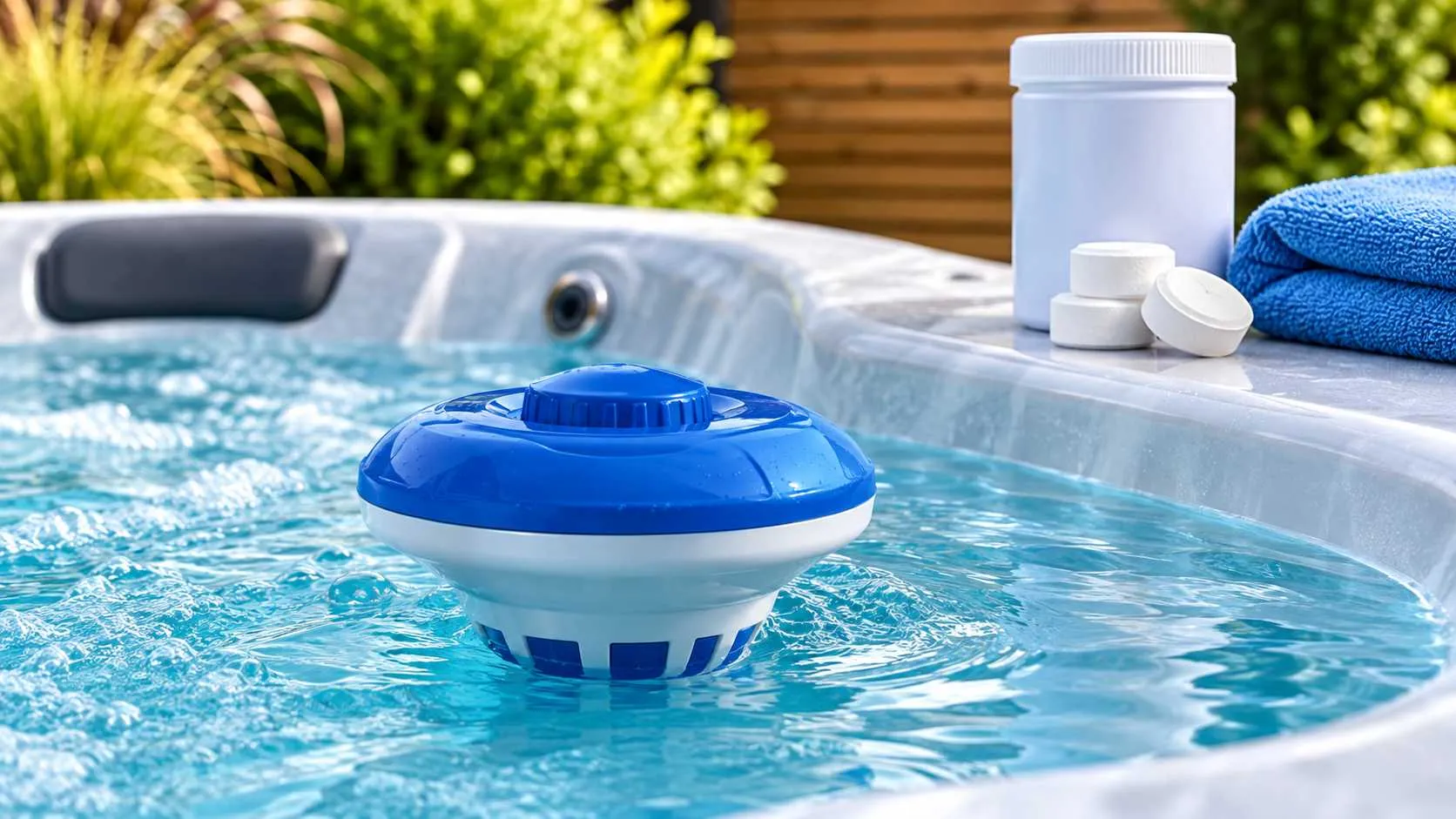
Maintaining clean, clear and balanced water is essential for enjoying a safe and comfortable hot tub experience. Regular water care helps prevent bacteria growth, unpleasant odours, cloudy water and damage to spa components. However, manually measuring and adding sanitising chemicals can be time-consuming. An automatic chemical feeder offers a convenient solution by helping regulate chemical levels and simplify everyday hot tub maintenance.
In this guide, we explore how to maintain balanced hot tub water using an automatic chemical feeder and other essential water care practices.
1. Understand the Importance of Balanced Hot Tub Water
Balanced water is important for both hygiene and the long-term performance of your hot tub. When chemical levels are too low, bacteria and other contaminants can multiply quickly. On the other hand, excessive sanitiser levels may irritate the skin and eyes and potentially damage spa surfaces and equipment.
Maintaining the correct water balance helps keep your spa clean, comfortable and ready to use. Regularly monitoring pH, alkalinity and sanitiser levels is essential for effective water management.
2. Use an Automatic Chemical Feeder for Consistent Dosing
An automatic chemical feeder is a useful accessory for simplifying hot tub maintenance. It gradually releases measured amounts of sanitising chemicals into the water, helping maintain more consistent sanitiser levels between manual treatments.
Unlike traditional floating dispensers that may require frequent adjustment, automatic feeders can offer controlled chemical delivery depending on their design and settings. This reduces the need for repeated manual dosing and makes routine spa care more convenient.
Choose a chemical feeder that is compatible with your hot tub system and the sanitising products you use. Always follow the manufacturer's installation and operating instructions.
3. Monitor pH Levels Regularly
Maintaining the correct pH level is one of the most important parts of hot tub water care. Ideally, hot tub pH should generally remain between 7.2 and 7.8, although you should follow your spa manufacturer's recommendations.
If the pH is too low, the water may become corrosive and affect metal components. If it is too high, sanitising chemicals may become less effective, while cloudy water and mineral deposits may develop.
Use a reliable water testing kit or test strips to check pH levels regularly. Adjust them with suitable spa chemicals whenever necessary. Remember that an automatic chemical feeder does not automatically control pH unless it is specifically designed for that purpose.
4. Maintain Proper Alkalinity and Sanitiser Levels
Total alkalinity helps stabilise pH and prevents sudden changes in water chemistry. Most hot tubs require total alkalinity between 80 and 120 ppm, but always check your manufacturer's guidelines.
Sanitiser levels also need regular attention. Chlorine and bromine are commonly used to control bacteria and maintain hygienic spa water. The correct levels depend on the sanitiser being used and the manufacturer's recommendations.
An automatic chemical feeder can help maintain a more consistent sanitiser supply. However, regular water testing is still necessary to ensure that chemical levels remain within the recommended range.
5. Clean Filters and Remove Contaminants
Even with an automatic chemical feeder, physical cleaning remains an important part of hot tub maintenance. Filters capture dirt, oils, hair and other particles that enter the water during use.
Clean your filters according to the manufacturer's instructions and replace them when necessary. Regularly remove debris from the water surface and clean the hot tub shell using suitable spa cleaning products.
Keeping filters clean also supports effective water circulation, allowing sanitising chemicals to distribute more evenly throughout the spa.
6. Check and Maintain Your Chemical Feeder
To get the best performance from your automatic chemical feeder, inspect it regularly. Check for blockages, damaged components, leaks and incorrect dosing settings.
Refill the chemical supply when required and ensure the feeder is operating according to the manufacturer's instructions. Never mix different sanitising chemicals or place incompatible products inside the same feeder.
Always handle chemicals carefully, wear appropriate protective equipment and store them securely away from children and pets.
7. Establish a Regular Water Care Routine
A consistent maintenance routine makes it easier to keep your hot tub water balanced throughout the year.
Consider following these simple practices:
- Daily: Check the water appearance and ensure the circulation system is working correctly.
- Several times a week: Test pH and sanitiser levels, adjusting them when necessary.
- Weekly: Check total alkalinity, clean the waterline and inspect the chemical feeder.
- Monthly: Deep-clean filters and inspect spa equipment.
- Periodically: Drain, clean and refill your hot tub according to the manufacturer's recommendations.
Conclusion
Maintaining balanced hot tub water does not have to be complicated. An automatic chemical feeder can simplify sanitiser dosing, reduce repetitive maintenance and help maintain cleaner, healthier spa water. When combined with regular water testing, proper pH and alkalinity management, filter cleaning and routine equipment inspections, it becomes easier to keep your hot tub in excellent condition. Investing in the right spa water care accessories helps protect your equipment and ensures a more enjoyable hot tub experience.