How to Layer a Scuffers Hoodie in Cold Weather Without Looking Bulky
By Fashion Hub
76 Views
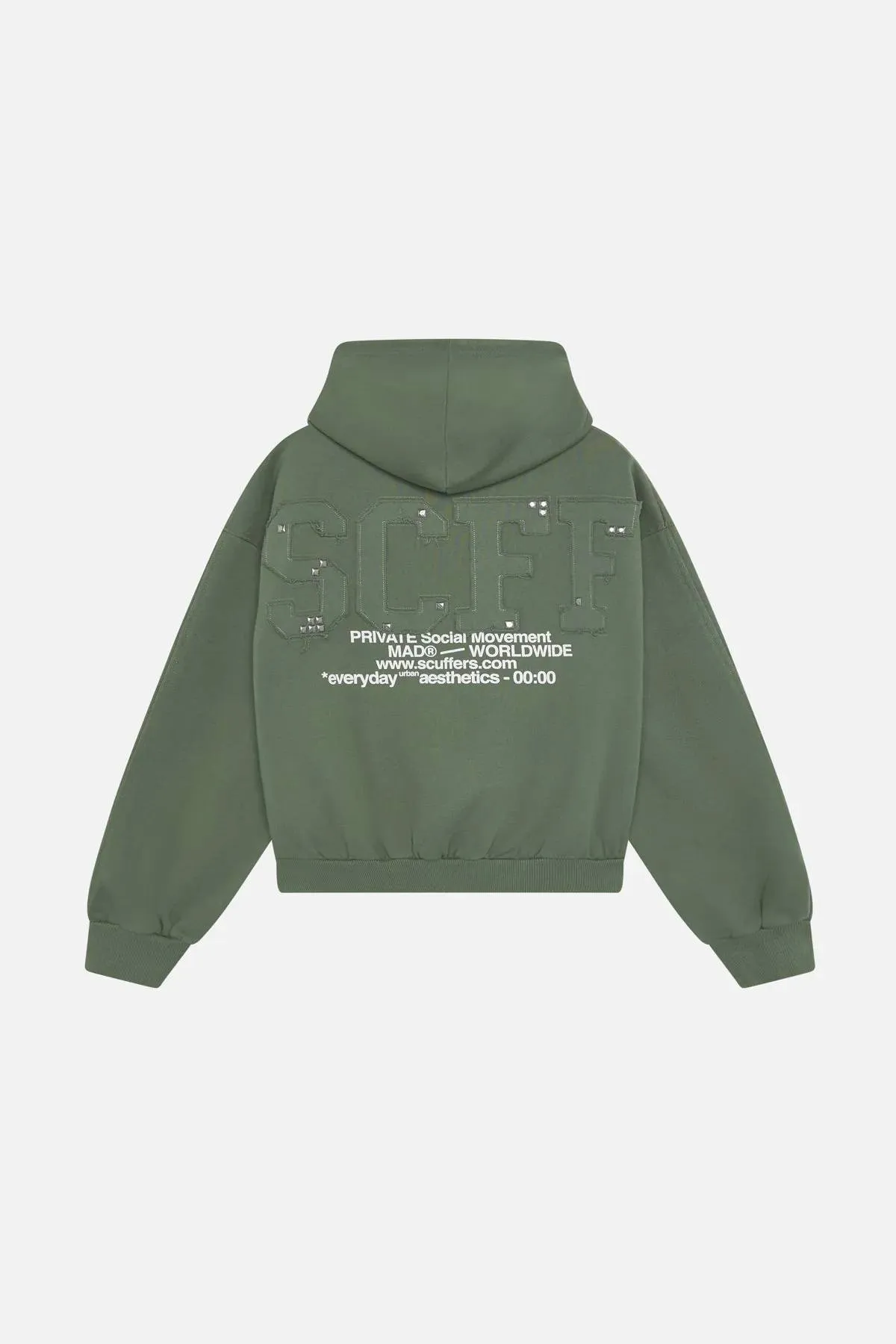
Cold-weather dressing can be tricky. You want enough layers to stay warm, but you probably do not want to look like you are wearing every item in your wardrobe at once. A hoodie makes winter layering much easier because it adds warmth, texture, and a relaxed streetwear feel without requiring a complicated outfit.
The key is choosing layers that work together rather than simply stacking thick pieces. With the right base layer, jacket, trousers, and footwear, a hoodie can become the center of a comfortable outfit for college, travel, weekend plans, or everyday winter wear.
Start With a Comfortable Base Layer
A good cold-weather outfit begins with the layer closest to your skin. Instead of wearing a heavy shirt under your hoodie, choose something thin and breathable.
A fitted cotton T-shirt works well during mild winter days. When temperatures drop further, switch to a thermal top or a lightweight long-sleeve shirt. These pieces trap warmth without adding unnecessary bulk around the shoulders and arms.
Neutral colors such as black, white, charcoal, beige, or navy are usually the easiest to style. They also prevent the base layer from distracting from the rest of the outfit if the neckline or hem remains slightly visible.
For a cleaner appearance, make sure the shirt underneath is not much longer than the hoodie. A small amount of layering at the hem can look intentional, but too much fabric may make the outfit appear untidy.
Let the Hoodie Be the Main Middle Layer
The hoodie should act as the central insulating piece of the outfit. It needs enough room for a T-shirt or thermal top underneath, but it should not be so oversized that an outer jacket becomes uncomfortable.
A well-fitting Scuffers Hoodie can work especially well as a middle layer because the relaxed streetwear shape pairs naturally with winter jackets, cargo trousers, denim, and sneakers. The goal is to maintain movement through the shoulders while keeping the overall silhouette balanced.
Before buying, check the chest, sleeve, and body measurements rather than relying only on the size label. If you plan to wear several layers, a slightly relaxed fit may be more practical than a close-fitting one. However, sizing up too far can create bunching beneath coats and padded jackets.
Choose the Right Outer Layer
Your outerwear determines whether the outfit feels light, sporty, rugged, or polished. Different jackets also suit different weather conditions.
Puffer Jacket for Freezing Days
A cropped or regular-length puffer jacket is a natural partner for a hoodie. It provides strong insulation while allowing the hood to remain visible at the back.
To avoid looking overly bulky, pair a thick puffer with straighter or slightly tapered trousers. Black cargo pants, dark denim, and technical trousers all work well. Complete the outfit with chunky sneakers or weather-resistant boots.
Wool Coat for a Smarter Look
A hoodie under a wool coat creates a comfortable mix of casual and refined clothing. This combination is useful for dinners, city outings, casual offices, or winter travel.
Choose a coat with enough room in the shoulders and sleeves. A slim coat worn over a thick hoodie may feel restrictive. Charcoal, camel, navy, and black coats are particularly easy to combine with neutral hoodies and simple trousers.
Bomber or Workwear Jacket for Mild Weather
During early winter or warmer afternoons, a bomber jacket, canvas jacket, or lined workwear coat may provide enough protection. These jackets give the outfit a structured shape without hiding the hoodie completely.
The streetwear identity of Scuffers fits naturally with this type of practical layering. A hoodie beneath a slightly boxy jacket, combined with loose jeans and simple sneakers, creates an outfit that feels relaxed without appearing careless.
Balance the Outfit With the Right Trousers
Layering on the upper body adds volume, so the lower half of the outfit needs balance. Extremely skinny trousers can make a heavy winter jacket look even larger, while excessively wide trousers may make the entire outfit feel shapeless.
Straight-leg jeans are one of the safest options. Dark blue, washed black, and grey denim all work well for everyday winter outfits. Cargo trousers are another practical choice because they support the streetwear look and provide useful pocket space.
For a cleaner college or travel outfit, try a neutral hoodie with black straight-leg trousers, a lightweight puffer, and white or grey sneakers. For a weekend streetwear look, combine a darker hoodie with loose cargo pants, a bomber jacket, and high-top trainers.
Use Accessories for Warmth and Detail
Accessories should serve a purpose in cold weather. A ribbed beanie keeps the outfit casual and provides genuine warmth. A scarf can add contrast, but it should not compete with the hood or create too much fabric around the neck.
Crossbody bags and compact backpacks are useful for college, commuting, and travel. Choose a simple design that sits comfortably over the jacket. Thick socks, gloves, and weather-resistant footwear also make a major difference when spending long periods outdoors.
Try to keep the color palette controlled. Two or three main colors are usually enough. A charcoal hoodie, black jacket, grey trousers, and white sneakers create a clean combination, while an olive jacket and cream hoodie produce a softer winter look.
Adapt the Layers Throughout the Day
Winter temperatures often change between cold mornings, heated indoor spaces, and cooler evenings. Wear layers that can be removed easily rather than depending on one extremely heavy garment.
For college, you might wear a thermal top, hoodie, and medium-weight puffer. Once indoors, the jacket can come off while the hoodie remains comfortable for lectures or study sessions. For winter travel, add a packable outer layer that can be stored in a bag when it is no longer needed.
This flexible approach makes the outfit more comfortable and helps each item get more regular use.
Final Thoughts
Layering a hoodie in cold weather is mainly about proportion, fabric weight, and practicality. Begin with a thin base layer, use the hoodie for insulation, and choose an outer jacket that provides enough space and weather protection.
Keep the trousers balanced, use accessories thoughtfully, and build outfits that can adjust as temperatures change. When every layer has a clear purpose, you can stay warm while maintaining a relaxed, confident streetwear look throughout the winter.
Related Reading
Why Lifestyle & Culture is Transforming the Global Industry Landscape
Welcome to our in-depth exploration of Lifestyle & Culture. In an era define...
Expert Insights: Navigating the Complex World of Lifestyle & Culture
Welcome to our in-depth exploration of Lifestyle & Culture. In an era define...