How to Know Whether Your AC Needs Maintenance or Replacement
By Zuraiz Khan
111 Views
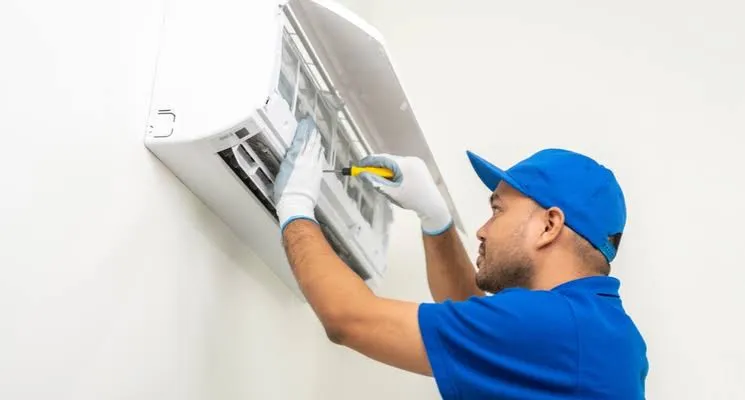
Air conditioning is essential for maintaining indoor comfort, especially in regions where temperatures remain high for much of the year. However, every air conditioner reaches a point where homeowners begin to wonder whether it simply needs maintenance or if it's time for a complete replacement. Making the right decision can save money, improve energy efficiency, and ensure your home remains comfortable throughout the year.
Understanding the warning signs of an aging or malfunctioning AC system helps prevent costly breakdowns and unexpected repairs. This guide explains how to determine whether your air conditioner needs professional maintenance or should be replaced entirely.
Why Regular AC Maintenance Matters
Routine maintenance is one of the most effective ways to extend the lifespan of an air conditioning system. Dust buildup, clogged filters, refrigerant issues, and worn components can reduce efficiency over time.
Professional maintenance helps:
- Improve cooling performance
- Lower electricity bills
- Increase system lifespan
- Prevent unexpected failures
- Improve indoor air quality
Many problems that appear serious can actually be resolved through timely servicing before they develop into expensive repairs.
Signs Your AC Needs Maintenance
Not every issue means your air conditioner has reached the end of its life. Many common symptoms can be fixed through routine maintenance.
Weak Airflow
If cool air is barely coming from your vents, the issue may be caused by:
- Dirty air filters
- Blocked air ducts
- Dust-covered evaporator coils
- Fan motor problems
Cleaning or servicing these components often restores proper airflow without requiring a new system.
Higher Electricity Bills
A sudden increase in energy costs often indicates your AC is working harder than necessary.
Possible causes include:
- Dirty condenser coils
- Low refrigerant levels
- Poor airflow
- Lack of routine servicing
Professional maintenance can restore efficiency and reduce monthly utility expenses.
Strange Noises
Air conditioners should operate quietly. If you hear:
- Grinding
- Squealing
- Rattling
- Buzzing
the system likely requires inspection. Loose components, worn bearings, or damaged fan blades are common maintenance issues that can often be repaired quickly.
Bad Odors
Unpleasant smells coming from your AC may indicate:
- Mold inside the ducts
- Dirty filters
- Bacteria buildup
- Electrical component issues
Cleaning and sanitizing the system usually solves these problems while improving indoor air quality.
Water Leaks
Small amounts of condensation are normal, but excessive water around the indoor unit is not.
Possible reasons include:
- Blocked drain lines
- Frozen evaporator coils
- Damaged drain pans
Maintenance can often correct these issues before water damage occurs.
Signs It May Be Time to Replace Your AC
While maintenance solves many problems, there comes a point when replacing the system becomes the smarter investment.
Your AC Is More Than 10–15 Years Old
Most air conditioners last between 10 and 15 years with proper care.
If your system is approaching this age and repairs are becoming frequent, replacement often provides better long-term value.
Newer models are significantly more energy-efficient and environmentally friendly.
Frequent Repairs
If you're calling technicians several times a year, repair costs can quickly add up.
A useful guideline is:
If repair costs exceed approximately 50% of the value of a new unit, replacement is usually the better financial decision.
Inconsistent Cooling
If certain rooms remain warm while others become too cold, your AC may no longer distribute air effectively.
Possible reasons include:
- Aging compressor
- Failing blower motor
- Reduced system capacity
When these major components begin to fail, replacing the entire system may be more practical than repeated repairs.
Refrigerant Issues
Older air conditioners may use outdated refrigerants that are expensive or difficult to obtain.
If your technician recommends replacing the refrigerant system due to obsolete components, upgrading to a modern AC unit often proves more cost-effective.
Constant Breakdown During Summer
If your AC consistently fails during periods of extreme heat, reliability becomes a serious concern.
Instead of spending money on emergency repairs every season, investing in a new unit provides dependable performance when you need it most.
Comparing Maintenance vs. Replacement Costs
Many homeowners focus only on the immediate repair cost rather than considering long-term savings.
Maintenance is usually the better option when:
- The unit is under 10 years old.
- Repairs are relatively inexpensive.
- Cooling performance remains good.
- Energy bills are normal.
- Problems occur infrequently.
Replacement becomes more economical when:
- The system is over 15 years old.
- Repair costs continue increasing.
- Energy bills remain unusually high.
- Major components fail repeatedly.
- Cooling quality has significantly declined.
A professional inspection helps determine which option offers the best return on investment.
Benefits of Replacing an Old AC System
Although replacing an air conditioner involves a larger upfront investment, modern systems provide several long-term advantages.
Better Energy Efficiency
New air conditioners consume less electricity while producing more effective cooling.
Higher efficiency translates into lower monthly utility bills.
Improved Indoor Air Quality
Modern systems include advanced filtration technologies that help remove:
- Dust
- Allergens
- Pollutants
- Excess humidity
This creates a healthier indoor environment for your family.
Quieter Operation
Today's air conditioners operate much more quietly thanks to improved compressor designs and sound insulation.
Smart Technology
Many newer systems include features such as:
- Smart thermostat compatibility
- Mobile app controls
- Energy usage monitoring
- Automatic scheduling
These technologies improve comfort while reducing energy consumption.
Tips to Extend Your AC's Lifespan
Proper care can delay the need for replacement and maximize the value of your investment.
Here are several maintenance habits every homeowner should follow:
- Replace air filters regularly.
- Keep outdoor condenser units free of debris.
- Schedule annual professional inspections.
- Clean vents and registers.
- Keep thermostat settings consistent.
- Address unusual noises immediately.
- Repair minor issues before they become major problems.
Preventive maintenance remains significantly less expensive than emergency repairs or premature replacement.
When Should You Call an HVAC Professional?
Some issues can be identified visually, but determining whether maintenance or replacement is the better option requires professional expertise.
An experienced HVAC technician will evaluate:
- Overall system condition
- Cooling performance
- Compressor health
- Refrigerant levels
- Electrical components
- Energy efficiency
- Expected remaining lifespan
This comprehensive assessment helps homeowners make informed decisions based on both current costs and future savings.
Conclusion
Knowing whether your air conditioner needs maintenance or replacement depends on its age, efficiency, repair history, and overall performance. Minor issues such as dirty filters, clogged drains, or weak airflow can often be resolved with routine servicing. However, if your system is more than 10–15 years old, experiences frequent breakdowns, or struggles to cool your home efficiently, replacing it may be the more cost-effective solution in the long run. Regular inspections by qualified professionals can help you avoid unexpected failures and maximize the life of your system. If you're looking for reliable solutions to keep your cooling system performing at its best, HillsWave offers expert support tailored to your needs. Choosing the Best AC Maintenance Service in Dubai ensures your air conditioner operates efficiently, reduces energy costs, and provides dependable comfort throughout every season.
Related Reading
Expert Insights: Navigating the Complex World of Home Improvement
Welcome to our in-depth exploration of Home Improvement. In an era defined by ra...
Why Home Improvement is Transforming the Global Industry Landscape
Welcome to our in-depth exploration of Home Improvement. In an era defined by ra...