How to Keep Puja Items Organized for Regular Worship
By Aadhya Singh
7 Views
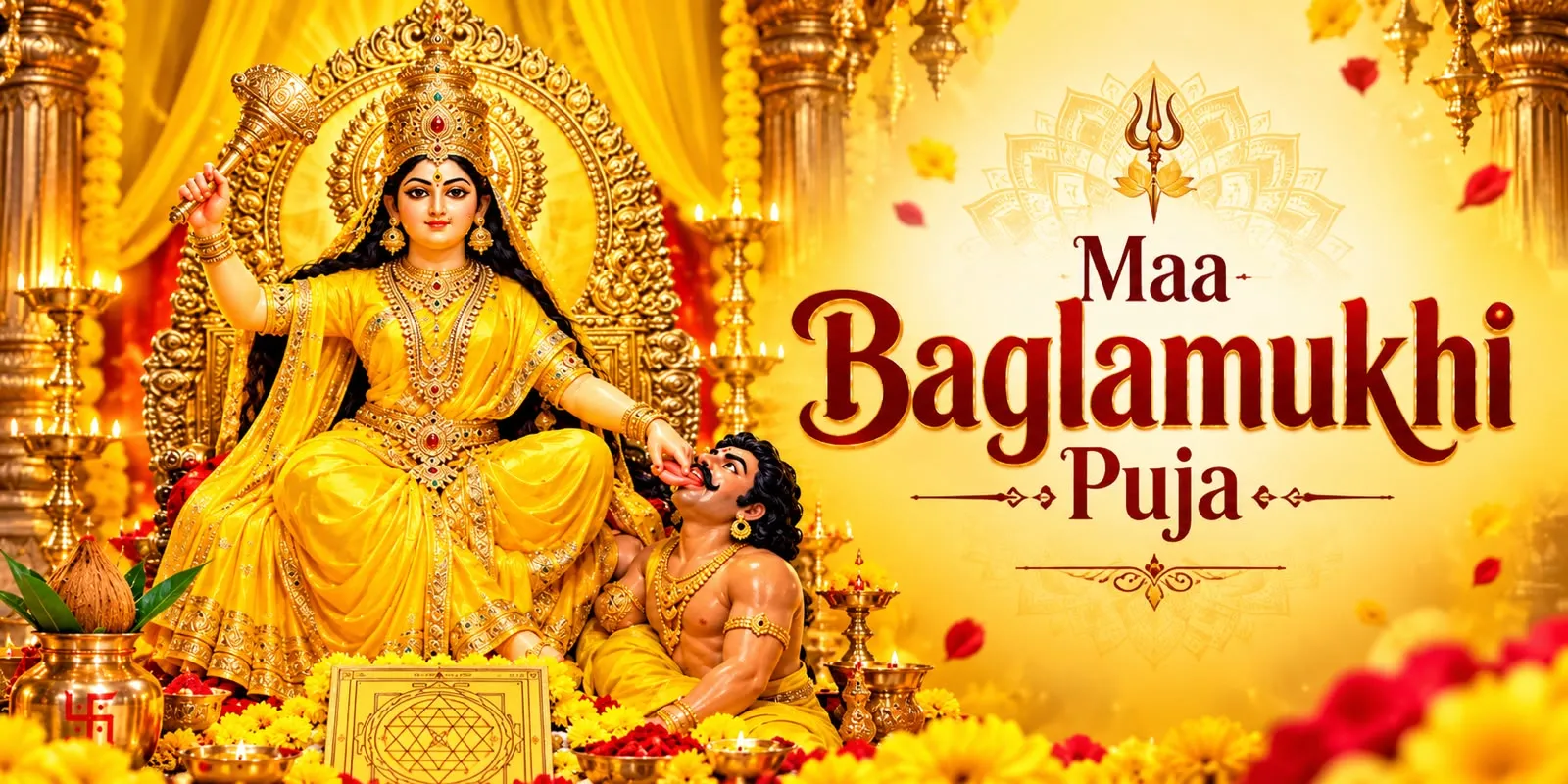
Maintaining an organized puja space can make daily worship more peaceful, convenient, and consistent. When essential items have designated places, preparing for prayer becomes easier, and there is less chance of misplacing something important before beginning a ritual. For devotees who regularly worship Maa Baglamukhi, thoughtful organization can also help keep devotional materials clean, accessible, and respectfully stored.
Effective maa baglamukhi puja item organization does not require an elaborate cupboard or a large prayer room. A clean shelf, a few storage containers, and a simple routine can be enough to manage flowers, incense, prayer books, lamps, and other worship essentials. The key is to organize items according to their purpose, storage requirements, and frequency of use.
Why Puja Item Organization Matters
Regular worship often involves several small tasks, from arranging the prayer space to preparing offerings and cleaning the area afterward. When everything is stored randomly, these tasks can take longer than necessary.
An organized puja area helps you:
· Find frequently used worship essentials quickly.
· Keep prayer books and ritual materials protected from dust and moisture.
· Separate clean, unused items from used materials.
· Prepare for daily worship without unnecessary searching.
· Maintain a tidy and respectful devotional environment.
For Maa Baglamukhi worship, specific ritual requirements may vary according to family traditions, regional customs, and guidance from a knowledgeable priest. Organization should support your established practices rather than replace them.
1. Sort Puja Items According to Their Purpose
The first step in organizing puja materials is to identify what you already have. Empty your existing storage area carefully and group similar items together before deciding where they should go.
Daily Worship Essentials
Keep frequently used items together so that your regular prayer preparation remains simple. Depending on your usual practice, this may include:
· A clean puja cloth or mat
· Incense sticks and an appropriate holder
· A diya and suitable accessories
· A bell
· Prayer books or written prayers
· A small plate for offerings
· A clean container for commonly used materials
You do not need every item listed above for every form of worship. Keep only the essentials relevant to your routine and traditions.
Occasional Ritual Materials
Some materials are required only for specific ceremonies, festivals, or special pujas. Store these separately from everyday items so that they do not clutter your regular worship space.
For example, you might reserve a dedicated box for materials used during a special Maa Baglamukhi puja or havan, based on the instructions you have received.
Label the box clearly and review its contents before each occasion. This makes it easier to identify missing items without mixing occasional supplies with everyday essentials.
2. Choose Suitable Storage for Maa Baglamukhi Puja Items
Choosing the right storage method is an important part of maa baglamukhi puja storage. Different materials need different conditions, so avoid placing everything in one container.
Use a Dedicated Puja Drawer or Cabinet
If you have a home mandir, a small drawer or cabinet nearby can provide convenient storage. Arrange items according to how often you use them.
Keep daily essentials on an easy-to-reach shelf, while occasional ritual materials can go in a separate compartment. Avoid overcrowding the storage area, as tightly packed items are more difficult to retrieve and may become damaged.
If you have limited space, a small organizer with separate sections can work just as well as a large cabinet.
Select Containers According to Material
Use clean, dry containers for items that need protection from dust and moisture. Small boxes can hold cotton wicks, incense sticks, or other dry supplies. A separate pouch or folder can protect prayer books and printed instructions.
Metal puja utensils should be stored dry after cleaning to reduce the risk of tarnishing or corrosion. Fabric items should be completely dry before being placed in a cupboard.
Avoid sealing damp flowers, wet cloths, or recently washed utensils inside closed containers.
3. Keep Prayer Books and Instructions Protected
Prayer books, printed mantras, and ritual instructions are easy to misplace when they are kept among miscellaneous household items.
Create a dedicated section for devotional reading materials. A small shelf, document folder, or clean book holder can help keep everything together.
If you maintain written instructions for Maa Baglamukhi worship, store them in a way that makes them easy to consult during prayer preparation. Keep frequently used texts accessible without placing them where oil, water, incense ash, or food offerings could damage them.
You can also use simple labels to distinguish daily prayers from instructions for occasional rituals. This is particularly useful when several family members share the same puja space.
4. Organize Flowers, Offerings, and Other Perishable Materials
Flowers and food offerings require a different approach from reusable worship items. They should be prepared close to the time of worship rather than stored with dry supplies for extended periods.
Prepare Fresh Items When Needed
If your practice includes fresh flowers, arrange them shortly before worship. Keep them in a clean container away from direct heat and excessive sunlight.
Food offerings should be handled hygienically and stored appropriately until they are used. Avoid placing edible items in the same boxes as incense, camphor, or other non-food materials.
For offerings associated with a specific Maa Baglamukhi ritual, follow the instructions provided by your family tradition or priest.
Separate Used and Unused Materials
After worship, remove used flowers and other perishable materials from the puja area. Handle their disposal according to your household customs and local requirements.
Do not return used materials to containers holding fresh offerings or unused supplies. This simple distinction helps maintain cleanliness and makes the next prayer session easier to prepare.
5. Store Lamps, Incense, and Havan Supplies Safely
Some worship essentials require additional care because they involve flames, heat, or combustible materials.
Keep Flammable Items Away from Heat
Store incense sticks, cotton wicks, and other combustible supplies in a cool, dry location away from lit lamps, candles, and electrical heating devices.
If your practice includes camphor or other flammable ritual materials, keep them securely stored and follow the product's safety instructions. Never leave a burning diya, incense stick, or havan fire unattended.
Arrange Havan Materials Separately
Havan supplies may include several ingredients and tools, depending on the ritual being performed. Store these materials in a dedicated container or box, clearly separated from daily puja items.
Before a havan, review the instructions you have been given and prepare only the required materials. Keep the area around the fire clear of storage boxes, loose fabrics, and other combustible objects.
If children are present, place matches, lighters, camphor, and other potentially hazardous materials out of their reach.
6. Create a Simple Prayer Preparation Routine
Good organization becomes more effective when it is supported by a repeatable routine. You do not need a complicated schedule; a few consistent steps can make regular worship easier.
Before Worship
Begin by making sure the prayer area is clean. Bring out the required items, arrange the puja cloth or mat, and check that lamps and utensils are ready for use.
If you follow a particular Maa Baglamukhi prayer or ritual sequence, keep its instructions available so that you can prepare according to your established practice.
After Worship
Return reusable items to their designated places once they have been cleaned and dried. Dispose of perishable materials appropriately, remove ash or residue safely, and wipe the storage surface if needed.
Check whether any frequently used supplies are running low. Replacing them before they run out prevents last-minute interruptions during the next prayer session.
A short daily reset can help maintain order without turning puja preparation into a lengthy task.
7. Make Puja Storage Work in a Small Home
You do not need a separate prayer room to maintain an organized devotional space. A small shelf, compact cabinet, or dedicated drawer can be sufficient.
Use vertical space where practical, but avoid placing heavy or breakable objects on unstable shelves. Small labeled containers can help separate items without occupying much room.
If the puja area shares space with other household activities, keep devotional materials in a dedicated section rather than mixing them with stationery, medicines, kitchen supplies, or general household objects.
Choose storage that is easy to clean and simple to maintain. An attractive organizer is useful, but accessibility and cleanliness matter more than decorative features.
8. Review Your Puja Supplies Regularly
Even an organized storage system can become cluttered over time. Set aside a few minutes every week or month to review the contents of your puja cabinet.
Check for empty containers, damaged utensils, expired consumable products where applicable, and materials that are no longer suitable for use. Replenish frequently used items and return misplaced supplies to their designated sections.
A simple inventory can be helpful before festivals or special Maa Baglamukhi pujas. Write down the items required for the specific ritual and mark what you already have. This reduces unnecessary purchases and helps you avoid forgetting important materials.
Remember that a checklist is a practical preparation tool, not a substitute for the ritual requirements provided by a trusted source.
Conclusion
Keeping puja items organized makes regular worship easier to prepare for and helps maintain a clean, respectful devotional environment. By grouping daily essentials, separating occasional ritual materials, protecting prayer books, and storing lamps and offerings appropriately, you can create a system that suits your home and worship routine.
Effective Baglamukhi puja item organization is ultimately about consistency rather than complexity. Use dedicated storage, follow a simple before-and-after worship routine, and review supplies regularly. With these practical habits, your puja space can remain orderly and ready for daily prayer as well as special Maa Baglamukhi worship.
Related Reading
Why Lifestyle & Culture is Transforming the Global Industry Landscape
Welcome to our in-depth exploration of Lifestyle & Culture. In an era define...
Expert Insights: Navigating the Complex World of Lifestyle & Culture
Welcome to our in-depth exploration of Lifestyle & Culture. In an era define...