How to Identify Solitary Bees vs. Colony Bees Around Your Home
166 Views
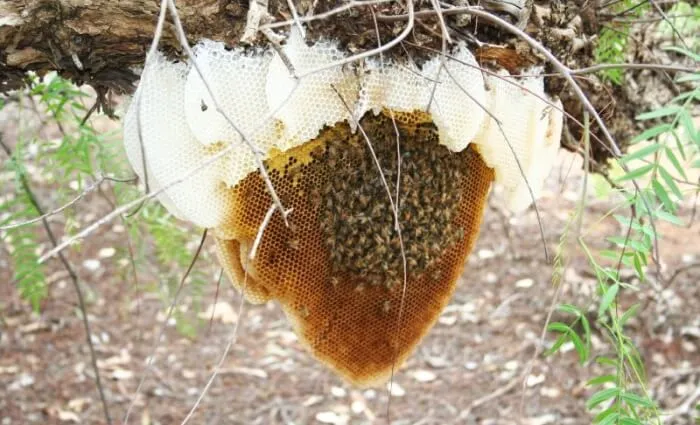
Observing bees around your home can be both fascinating and concerning, especially when their behavior raises questions about safety and nesting. A clear understanding of solitary bees vs. colony bees is essential for homeowners who want to respond appropriately without disrupting the natural balance of their surroundings. These two categories of bees differ significantly in behavior, social structure, and interaction with humans, making identification an important first step in managing their presence.
Solitary bees live independently, with each female responsible for building and maintaining her own nest without the support of a larger group. In contrast, colony bees operate within complex social systems, where roles are divided among workers, drones, and a queen. This distinction influences not only how these bees function but also how they respond to perceived threats and environmental changes.
The presence of bees does not necessarily indicate a problem, as many species contribute positively to pollination and plant health. However, recognizing whether you are dealing with solitary bees vs. colony bees helps determine the appropriate level of intervention. While solitary bees are generally less aggressive and pose minimal risk, colony bees may require more careful management due to their collective behavior.
Understanding these differences allows homeowners to make informed decisions that balance safety with environmental responsibility. By identifying the type of bees present, individuals can choose solutions that protect both their property and the vital role bees play in maintaining ecological stability.
Behavioral Patterns That Distinguish Solitary Bees vs. Colony Bees
Behavior is one of the most reliable indicators when identifying solitary bees vs. colony bees around your home. Solitary bees tend to exhibit calm and non-aggressive behavior, as they do not have a hive to defend. Their primary focus is on gathering pollen and nectar to support their individual nesting efforts, which often results in minimal interaction with humans.
Colony bees, on the other hand, display more coordinated and sometimes defensive behavior, particularly when their hive is disturbed. Their social structure relies on cooperation and protection, meaning that any perceived threat to the colony can trigger a collective response. This difference in behavior is a key factor in determining how to approach a bee presence near residential areas.
Flight patterns also provide valuable clues, as solitary bees often move independently and do not follow a consistent path. Colony bees, however, frequently travel in groups and may form visible flight paths between their hive and food sources. Observing these patterns over time can help homeowners distinguish between the two types with greater accuracy.
Seasonal activity further highlights the contrast between solitary bees vs. colony bees, as solitary species often have shorter active periods tied to specific flowering cycles. Colony bees typically remain active for longer durations, supported by the continuous operation of their hive. This extended activity can make colony bees more noticeable and potentially more disruptive in certain situations.
Nesting Habits and Habitat Preferences
Nesting habits provide another important distinction when comparing solitary bees vs. colony bees, as each type exhibits unique preferences for shelter and structure. Solitary bees often choose small, hidden spaces such as soil burrows, hollow stems, or tiny crevices in wood or walls. These nests are typically inconspicuous and do not involve large groups of bees, making them less noticeable to homeowners.
Colony bees, in contrast, build larger and more complex nests that house entire communities. These hives are often found in attics, wall cavities, tree hollows, or other protected areas that offer sufficient space for growth and development. The size and visibility of these nests make them more likely to attract attention, especially when bee activity increases.
The materials used for nesting also differ significantly between the two groups, reflecting their distinct lifestyles. Solitary bees often use natural materials such as mud, leaves, or resin to construct individual cells for their offspring. Colony bees rely on wax structures to create organized combs that support the entire hive. These differences in construction further highlight the contrast between solitary bees vs. colony bees.
In situations where nests are discovered within or near living spaces, professional guidance may be required to address the issue safely. Consulting a bee removal service in Hollywood, LA can provide expert assessment and humane solutions, ensuring that both the property and the bees are handled with care. Integrating professional support with an understanding of nesting habits enhances the effectiveness of any response strategy.
Safety Considerations and Human Interaction
Safety is a primary concern when dealing with bees around the home, and understanding solitary bees vs. colony bees is crucial for assessing potential risks. Solitary bees are generally considered low-risk, as they rarely sting and do not exhibit defensive behavior unless directly handled. Their independent nature means that they have little reason to react aggressively, making them relatively harmless in most situations.
Colony bees, however, require a more cautious approach due to their collective defense mechanisms. When a hive is threatened, multiple bees may respond simultaneously, increasing the likelihood of stings. This behavior underscores the importance of maintaining a safe distance and avoiding actions that could disturb the colony.
Children and pets may be particularly vulnerable to bee encounters, as their curiosity can lead them to approach nests or hives without understanding the potential risks. Educating family members about the differences between solitary bees vs. colony bees can help prevent unnecessary interactions and reduce the likelihood of accidents.
Protective measures, such as wearing appropriate clothing and using barriers, can further enhance safety when working in areas where bees are present. These precautions are especially important during outdoor activities such as gardening or home maintenance, where accidental disturbances may occur.
Long-Term Management and Environmental Responsibility
Managing bee presence around the home requires a long-term perspective that considers both immediate concerns and broader environmental impacts. Recognizing the differences between solitary bees vs. colony bees allows homeowners to develop strategies that are both effective and sustainable. This approach emphasizes prevention, monitoring, and responsible intervention when necessary.
Creating a balanced outdoor environment can help guide bee activity away from high-traffic areas while still supporting their role in pollination. Planting flowers and providing water sources in designated zones encourages bees to remain in areas where they are less likely to interfere with daily activities. This strategy aligns with sustainable practices that prioritize coexistence rather than elimination.
Regular maintenance of the home and surrounding property also plays a key role in preventing unwanted nesting. Sealing gaps, repairing structural damage, and removing debris reduce the availability of potential nesting sites, making the environment less attractive to bees. These proactive measures help maintain control over bee activity without disrupting their natural behavior.
Education and awareness remain essential components of long-term management, as understanding bee behavior enables more informed decision-making. By learning to identify solitary bees vs. colony bees, homeowners can respond appropriately to different situations, avoiding unnecessary interventions while addressing genuine concerns.
Related Reading
Expert Insights: Navigating the Complex World of Home Improvement
Welcome to our in-depth exploration of Home Improvement. In an era defined by ra...
Why Home Improvement is Transforming the Global Industry Landscape
Welcome to our in-depth exploration of Home Improvement. In an era defined by ra...