How To Find The Right Wrist Length For A Diamond Link Bracelet
By JohnDouglas
39 Views
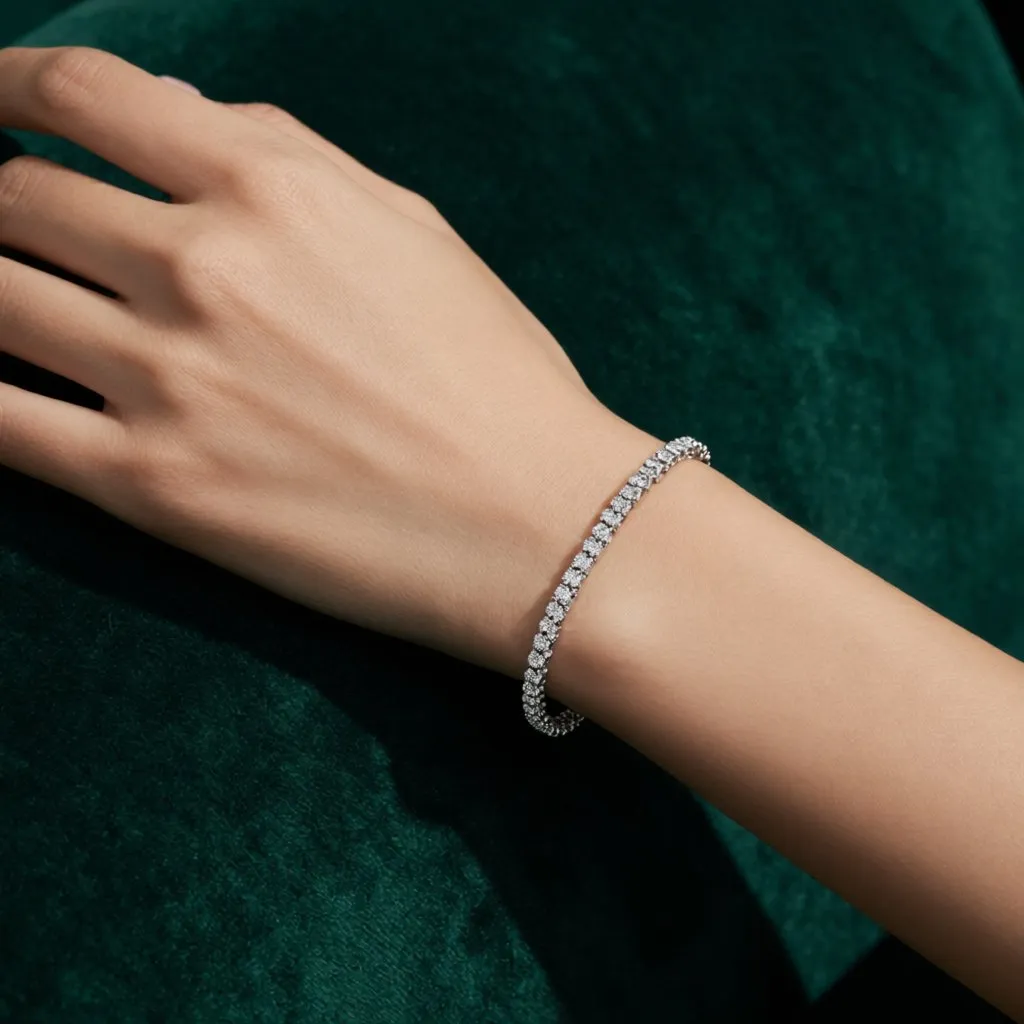
Fit is what makes a bracelet feel like yours. A piece that sits well moves a little as your hand moves. It settles just past the wrist bone and stays comfortable through a full day at a desk or a long evening out.
Whether you are looking at diamond link bracelets or a slim line of small stones, getting there takes one measurement and a couple of decisions. Both are easy to work through before you buy.
Measure The Wrist First
Wrap a soft tape measure around your wrist, just below the wrist bone on the hand side. Read the number where the tape meets.
No soft tape? Cut a half-inch strip of paper. Wrap it the same way, mark where it overlaps, then lay it flat against a ruler.
Measure the wrist you plan to wear the piece on. Most people have a slight difference between the two. Many people also measure at the end of the day, since a morning reading can come out slightly smaller.
That number is your bare-wrist measurement, not your bracelet length. A bracelet needs extra length so it can rest on the wrist rather than grip it. How much extra depends on the style, and on how loose you like things to feel.
How Much Length To Add
- Snug fit: add about half an inch. The bracelet moves very little and stays close to the wrist bone. It suits anyone who types all day or wears a watch on the same arm.
- Standard fit: add about three-quarters of an inch. The piece slides an inch or so along the wrist, then settles back into place. This is the most common choice.
- Relaxed fit: add a full inch. The bracelet drapes toward the top of the hand when your arm hangs down. It looks softer and suits wider designs.
- Wide pieces: add another quarter inch on top of whichever fit you chose. A wide bracelet covers more of the wrist and needs a little more room to lie flat.
Seven inches is a common length. Sizes of 6.5 and 7.5 inches are widely available too. Lengths vary by piece, so check what the design you like is made in.
If your number lands between two sizes, think about the design before you round. A flexible piece can be worn slightly longer without looking oversized. A stiffer design with larger links tends to look better closer to the wrist.
Why Link Styles Fit Differently From Flexible Ones
Style changes how a given length feels on the arm. A gold diamond bracelet built from small linked sections curves easily around the wrist. The full length follows your skin, so the fit lands close to the number you measured.
Diamond link bracelets with larger, more sculptural links hold their shape. Part of the length bridges across the wrist instead of following its curve. Two pieces marked seven inches can feel different for that reason alone. Try both at the same length before you decide which number to order.
Weight plays a part as well. A heavier piece pulls toward the underside of the wrist, and its clasp tends to travel around to the bottom. Some people size heavier designs a little shorter so they stay put. A lighter piece tends to stay where you place it, and can be worn at a more relaxed length.
Karat is worth a thought too. 14K gold contains more alloy, which makes it a little harder under daily contact. 18K is richer in color and slightly softer.
Buying It As A Gift
If the gold diamond bracelet is a gift, borrow a piece the person already wears. Measure it end to end with the clasp closed.
A bangle or watch strap they own works as a reference too. A photo of it on their wrist tells you how loosely they like things to sit. As a general guide, many women wear seven inches comfortably, and a smaller frame often takes 6.5 inches.
Adjustment is worth asking about before you commit. Many chain and link designs can have sections taken out or added by a jeweler, which changes the length in small steps. Designs where diamonds run all the way around are more fixed, since removing a section interrupts the pattern of the stones.
The Final Check
Look at the clasp when you try the fit. A box clasp with a hidden tongue keeps the line of the bracelet unbroken, and often comes with a small safety catch. A lobster clasp is quicker to work one-handed.
Whichever you choose, close it, turn your wrist, and let your arm hang for a moment. If the bracelet settles just past the wrist bone and moves freely without sliding over your hand, you have the right length.