How to Find the Right Archery Training Center?
7 Views
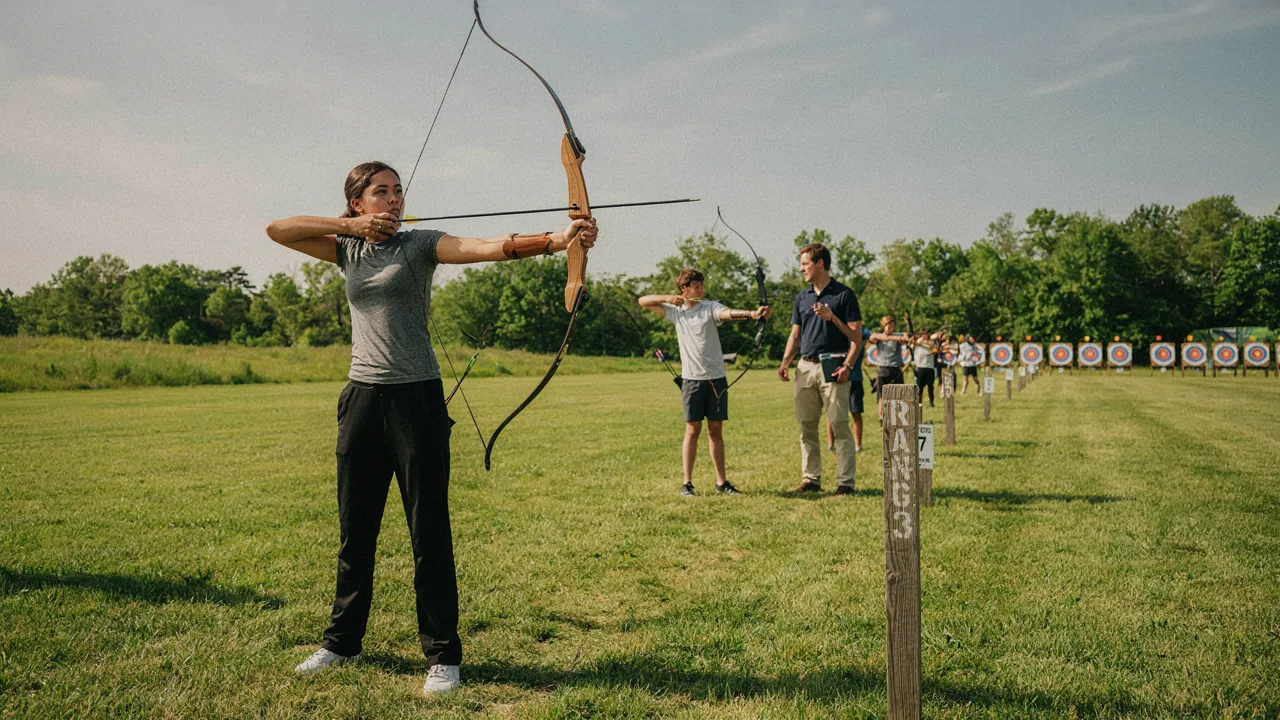
The right archery training center can make all the difference, helping you improve your skills, gain confidence and enjoy the sport more quickly. Whether you are picking up a bow for the first time, or looking to improve your accuracy, the right training environment provides expert guidance, suitable equipment, and opportunities to practice safely.
But not every facility provides the same experience. Some target beginners, some offer advanced coaching, outdoor shooting areas or specialized activities. Knowing what to look for can help you find a facility that meets your goals, experience and budget.
Quick Summary
- Locate suitable instructors capable of instructing archers at various skill levels.
- Ensure there are clear safety rules for the archery range and that appropriate equipment is available.
- Choose a place where there are structured lessons and consistent archery training.
- For developing distance judgment and target assessment, look at facilities that have a 3D archery course.
- Check the membership fees, the costs of the lessons, the accessibility and the practice times before signing up.
What Should You Look for in an Archery Training Center?
The best facility is the one that helps you progress and makes every single session safe, comfortable and enjoyable. Consider these important factors when making your choice.
1. Qualified Coaching and Beginner Support
Good instruction builds proper technique right from the start. Seek out instructors who can explain stance, grip, posture, aiming, and release in a way that is easy to understand.
Novices should be able to attend introductory lessons while more experienced archers may benefit from individualized feedback on consistency and accuracy.
Find out if the center offers individual coaching, group sessions or skill-based training programs. A structured learning plan can help you identify weaknesses and monitor improvement over time.
2. Safety Standards and Range Conditions
When choosing an archery facility, safety should always be the top priority. A well-managed archery range should have clearly marked shooting lines, designated target areas, appropriate backstops, and established procedures for arrow retrieval.
Instructors should explain range commands, equipment handling, and when to shoot or move forward. A safety briefing is necessary for beginners before handling a bow.
If possible, take a tour of the facility before enrolling. Note how instructors run the sessions and whether or not participants always follow the rules.
3. Equipment Availability and Suitability
The right size and type of equipment for your body and experience will make learning more comfortable. Beginners may not want to purchase a bow immediately, so verify that the facility rents equipment.
Ask about recurve bows, compound bows, appropriate arrows, arm guards, and finger protection. The right equipment depends on your age, strength, draw length, and training goals.
A good instructor can be very helpful in suggesting the right equipment as your technique develops and in avoiding the risk of discomfort and bad shooting habits.
How Can an Archery Range Support Your Progress?
An archery range is the ideal location to develop technique, improve accuracy and increase consistency. But the quality and variety of facilities can impact your training experience.
Look for a range that offers:
- Suitable shooting distances: Beginners should begin with shorter distances and then gradually increase the range.
- Good Condition Targets: Better practice comes from clear target faces and stable target stands.
- Flexible practice sessions: Convenient hours make it easier to maintain a regular routine.
- Variety of shooting options: Facilities that can accommodate a variety of bow styles can support changing interests.
- Supervised sessions: You can correct errors before they become habits with help.
Regular practice is more important than long, infrequent sessions. Even a short, focused session can help with good form if it is accompanied by proper instruction.
Is a 3D Archery Course Worth Considering?
A 3D archery course uses three-dimensional target models, often in the form of animals, to provide a more varied shooting experience. These courses can be set outdoors and can test the archer’s ability to judge distances, angles, and where the target is placed.
Unlike conventional target shooting, 3D archery often involves estimating distance and adapting your aim to different shooting positions. This makes it a good choice for archers who want to do some casual shooting outdoors or hone some field skills.
Before deciding on a facility with a 3D course, think about the following:
- If the course matches your experience level at the moment.
- Are safety instructions and supervision provided?
- Whether the terrain and arrangement of targets are compatible with your physical capacity.
- Whether you get the chance to take some introductory sessions before tackling the harder routes.
A 3D course is not necessary for every beginner. If you’re primarily interested in learning basic technique, a traditional range with a structured curriculum may be a better option.
What Facilities and Services Should You Compare?
Different facilities offer different combinations of coaching, equipment, and practice opportunities. Comparing them side by side can make your decision easier.
|
Feature |
What to Check |
Why It Matters |
|
Coaching |
Instructor experience and lesson structure |
Helps build correct technique |
|
Range facilities |
Shooting distances, targets, and backstops |
Supports safe, consistent practice |
|
Equipment |
Rental bows, arrows, and protective gear |
Reduces initial expenses |
|
3D archery course |
Course layout, difficulty, and supervision |
Adds variety and distance-estimation challenges |
|
Practice access |
Opening hours and booking requirements |
Makes regular training easier |
|
Pricing |
Lesson fees, rentals, and membership costs |
Helps you plan your budget |
|
Safety procedures |
Briefings, range commands, and supervision |
Reduces avoidable risks |
Compare the total cost rather than looking at lesson prices alone. Equipment rental, membership fees, and additional practice sessions can affect the overall expense.
How to Choose an Archery Training Center Based on Your Goals?
Which facility is right for you depends upon what you want to accomplish. Know what you want before you sign up, and find a program that can help you achieve it.
If You Are a Beginner
Seek out a facility that offers introductory lessons, rents equipment, and provides patient instruction. A welcoming environment can help you learn the basics without feeling pressured to move too quickly.
If You Want to Improve Accuracy
Seek regular access to targets, coaching feedback and practice sessions where you can work on grouping and executing the shot.
If You Prefer Outdoor Archery
Explore facilities with outdoor shooting areas or a supervised 3D archery course. Check whether the terrain, distances, and activities are suitable for your experience.
If You Are Training for Competition
Visit outdoor shooting ranges or a supervised 3D archery course. Verify that the terrain, distances, and activities suit your level of experience.
What Questions Should You Ask Before Joining?
Ask about higher-level training, how to prepare for competitions, equipment recommendations, and chances to train in competition-like conditions.
- What are the lessons for beginners? What are the lessons?
- Can I rent equipment before I buy my own?
- What safety guidelines do participants need to follow?
- Are there any practice sessions supervised outside of the lessons?
- Are there different shooting distances or special courses?
- What are the total costs including rentals and membership?
Wherever possible, organize an introductory session. It gives you a chance to evaluate the instruction, equipment, atmosphere, and overall suitability of the facility.
Conclusion
Finding the right archery training center involves more than choosing the closest or least expensive option. Look for qualified coaching, good safety practices, proper equipment, and reliable opportunities to practice regularly. If you like outdoor challenges, you may also want to look at a facility with a 3D archery course.
Take time to compare facilities, ask questions, and try a session before signing up for a long-term program. By providing the correct environment and practicing archery consistently, you can develop confidence, increase accuracy, and make steady progress. Look into local training options and try a few introductory classes to find a place that fits your goals.
FAQs
Q. How do I choose the best archery training center for beginners?
Look for qualified instructors, beginner-friendly lessons, rental equipment, clear safety procedures, and a well-maintained range. An introductory session can help you decide whether the facility suits your needs.
Q. How often should I practise archery to improve?
Many beginners benefit from one or two focused sessions each week, depending on their schedule and recovery. Consistent practice, combined with feedback from an instructor, can help build better technique over time.
Q. Do archery ranges provide bows and arrows?
Many facilities offer rental bows, arrows, and basic protective equipment, although availability varies. Confirm what is included in the lesson price before booking.