How to Decide if Paintless Dent Removal Is Right for Your Car
By Ben Paxton
3 Views
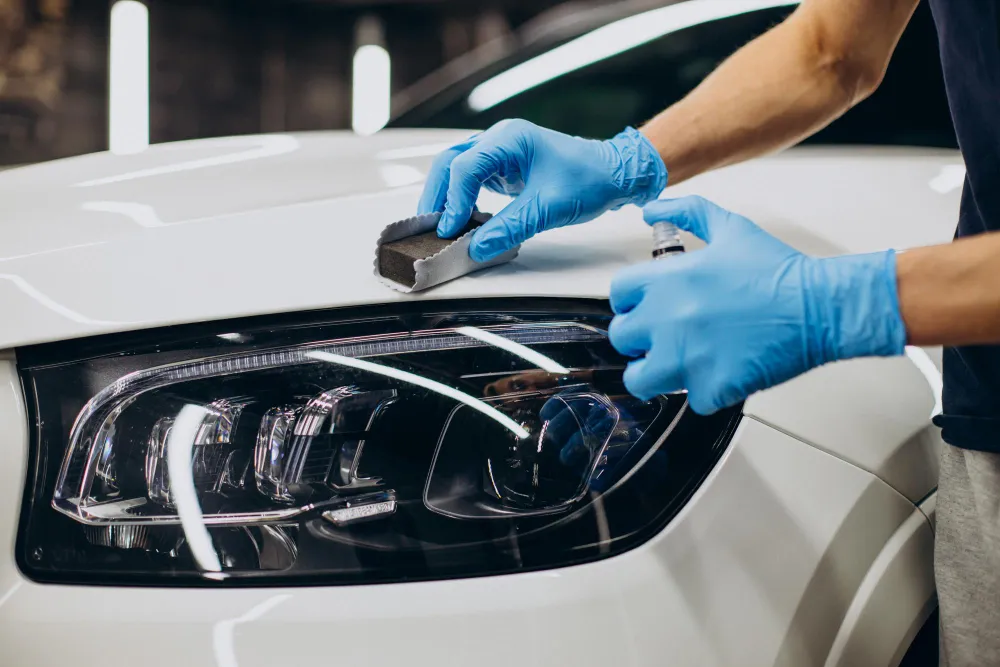
A dent in your car can happen when you least expect it. A shopping cart, a hailstorm, or another car door can leave a mark that changes your vehicle's appearance. Even if the damage seems small, choosing the right repair method is important. The repair you choose can affect the time, cost, and final result.
You may have heard about paintless dent removal, but you may not know if it is the right choice for your vehicle. The answer depends on the type of dent, the condition of the paint, and where the damage is located. Learning how professionals evaluate dents can help you understand your options before you schedule a repair. It can also help you ask the right questions and avoid choosing a repair method that may not fit the damage.
How to Tell if Paintless Dent Removal Will Work for Your Car
1. Check Whether the Paint Is Still Intact
The first thing you should look at is the paint around the dent. This repair method works by reshaping the metal while keeping the original paint in place.
If you notice cracks, peeling, deep scratches, or missing paint, another repair process may be needed. Damaged paint usually requires sanding, refinishing, and repainting after the dent is repaired.
Stand a few feet away from your vehicle and inspect the damaged area in daylight if possible. A smooth surface without paint damage gives the repair technician more options.
2. Look at the Shape and Depth of the Dent
Every dent is different. Some dents are shallow and smooth, while others have sharp folds or deep creases.
A shallow dent is often easier to repair than a dent with a pointed edge. The depth of the damage matters more than its width in many cases. A larger dent with smooth edges may still be repairable, while a small but sharp dent may not.
This is why a visual inspection alone does not always tell the full story. The shape of the metal underneath also matters.
3. Consider Where the Dent Is Located
The location of the dent is another important factor.
Dents on doors, fenders, and quarter panels are often easier to reach because technicians can access the back of these panels with specialized tools. Damage near body lines, wheel openings, panel edges, or reinforced areas may be harder to repair because there is less room to work behind the metal.
The repair process depends not only on what you can see but also on whether the damaged area can be safely reached without causing more damage.
4. Think About How the Dent Happened
The cause of the dent can help determine the right repair method. For example:
- Hail often leaves several small dents.
- Door dings usually create small, round dents.
- Falling branches can cause larger dents.
- Traffic accidents may damage both the panel and the structure.
Knowing what caused the damage helps the technician inspect your vehicle and recommend the right repair.
5. Avoid Do-It-Yourself Dent Repair
Many videos online make dent repair look easy. Some show people using suction cups, hot water, glue tabs, or household tools.
These methods do not work for every dent. In some cases, they can stretch the metal or damage the paint, making the repair more difficult later. Even if the dent looks smaller after a DIY attempt, the surface may no longer be even.
If you are unsure about the damage, it is safer to have the dent inspected before trying to repair it yourself.
6. Get a Professional Inspection
A technician will inspect the dent before recommending a repair. They usually check:
- Paint condition
- Dent depth
- Whether the metal has stretched
- Damage location
- Access behind the panel
This inspection helps determine the right repair method and identify any hidden damage.
7. Compare Your Repair Options
It is helpful to understand all available repair methods before making a decision.
Ask questions such as:
- Can the original paint be saved?
- Does the dent qualify for this repair method?
- Will another repair provide a better result?
- How long is the repair expected to take?
A good repair decision is based on the condition of your vehicle, not on assumptions. Taking a few extra minutes to understand your options can help you feel more confident before the work begins.
Summary
Not every dent needs the same repair. The size of the dent, the condition of the paint, where the damage is located, and how it happened all play an important role in choosing the right repair method. Looking at these factors before making a decision can help you avoid unnecessary repairs and better understand what your vehicle needs.
If you are unsure whether your vehicle qualifies for this type of repair, a professional inspection is the next step. A collision repair shop can assess the damage and explain the available options based on your vehicle's condition. Prestige Bodyworks Auto Collision follows this approach by inspecting each vehicle before recommending a repair method. Understanding the process helps you make an informed decision and maintain your vehicle with confidence.