How to compare DTF printer brands and models?
By DTG PRO
104 Views
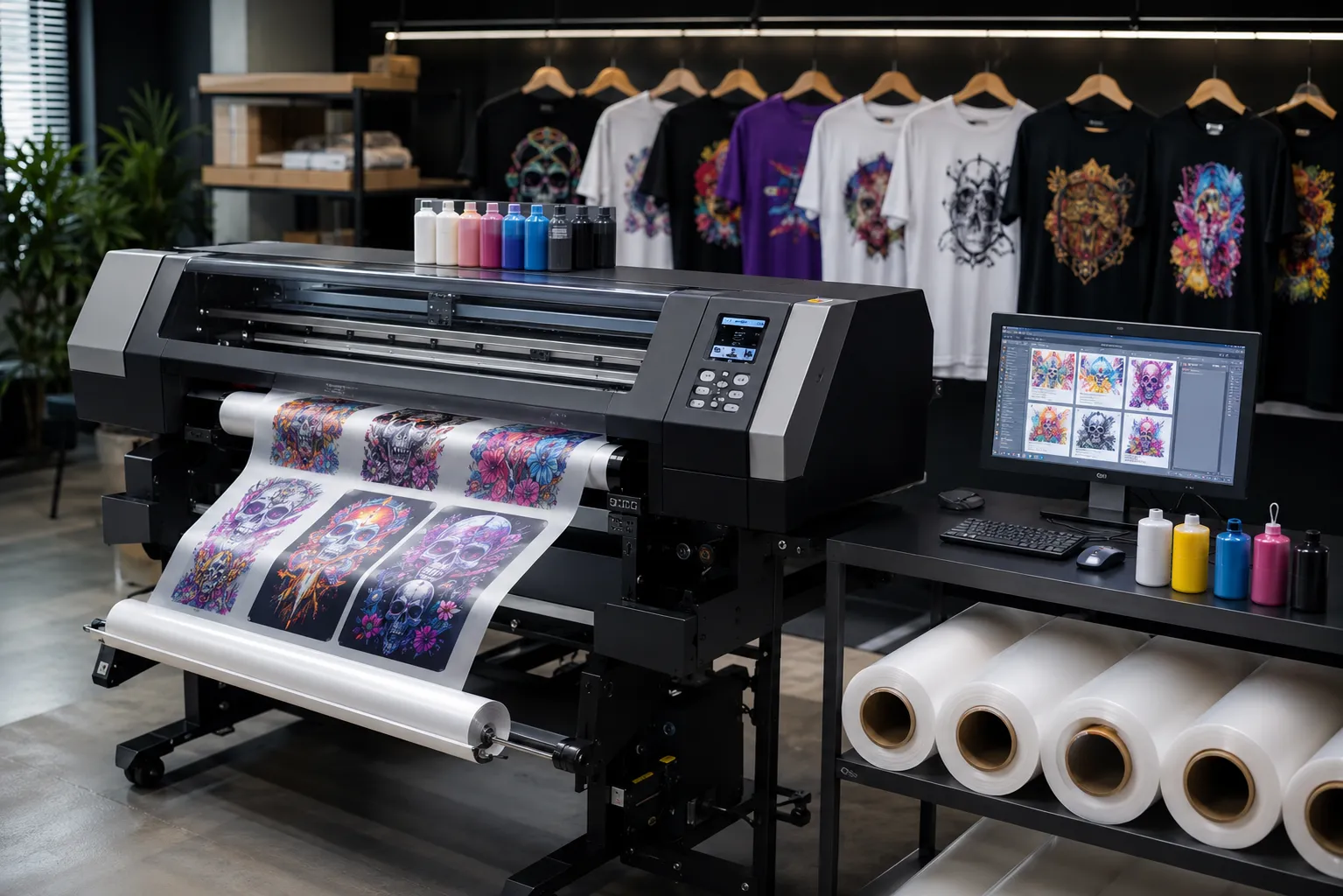
Choosing the right printing equipment can be challenging, especially with the growing number of options available in the digital apparel industry. Whether you're launching a custom clothing business or upgrading an existing production setup, understanding how to evaluate different printer brands and models is essential for making a smart investment.
Many business owners begin their research by exploring various DTF Printers because they offer flexibility, vibrant print quality, and compatibility with multiple fabric types. However, not every machine is built for the same production goals, so comparing the right factors can save both time and money.
Start by Understanding Your Business Needs
Before comparing technical specifications, define exactly what your business requires. A home-based startup producing small batches will have different needs than a commercial print shop handling hundreds of orders every week.
Ask yourself:
- What is my expected monthly production volume?
- Will I print mainly on cotton, polyester, or mixed fabrics?
- Do I need a compact desktop setup or a larger production machine?
- How much space is available for the equipment?
Answering these questions creates a clear framework for evaluating available options.
Compare Printhead Technology
The printhead is one of the most important components of any printing system because it directly affects print quality and production speed.
Common Printhead Options
Epson XP600
Often preferred by startups and smaller businesses, XP600 printheads provide reliable performance at a relatively affordable investment level.
Epson I1600
These printheads are designed for businesses seeking greater productivity and enhanced print consistency. They are commonly found in more advanced production systems.
Industrial Printheads
High-volume operations may benefit from industrial-grade printheads that are built for continuous production environments.
Rather than focusing only on speed, buyers should consider long-term reliability and maintenance requirements.
Evaluate Production Speed and Workflow
A faster machine is not always the best choice if it complicates daily operations. Workflow efficiency often has a bigger impact on profitability than raw printing speed.
Look for features such as:
- Integrated roll feeding systems
- Reliable RIP software
- Easy media loading
- Simple maintenance procedures
- Automated production functions
These features help reduce operator workload and improve overall productivity.
Consider Software and User Experience
Modern printing equipment relies heavily on software for color management and job processing. A user-friendly interface can significantly reduce the learning curve, especially for businesses with limited technical experience.
When comparing brands, consider:
- RIP software compatibility
- Color management tools
- File format support
- Update availability
- Ease of operation
A well-designed software ecosystem can improve consistency across every production run.
Training and Technical Support Matter
One of the most overlooked factors when choosing equipment is after-sales support. Even experienced operators occasionally require technical assistance, maintenance guidance, or software updates.
Businesses should evaluate:
Onboarding Resources
Does the supplier offer setup assistance and training?
Technical Support Availability
Can support be reached quickly when production issues occur?
Spare Parts Access
Are replacement components readily available?
Companies that provide comprehensive support often help reduce downtime and improve long-term operational success.
Compare Total Ownership Costs
Many buyers focus only on the purchase price, but long-term operating expenses are equally important.
Factors that affect ownership costs include:
- Ink consumption
- Maintenance requirements
- Replacement parts
- Film and powder usage
- Service intervals
A lower-priced machine may become more expensive over time if maintenance costs are high or production efficiency is limited.
Research Brand Reputation
Customer reviews, industry forums, and professional recommendations can provide valuable insight into real-world performance. Look beyond marketing materials and pay attention to user experiences involving reliability, support quality, and overall satisfaction.
Established suppliers with a broad product range and industry expertise often provide additional confidence during the buying process. Websites such as DTGPRO serve as useful resources for exploring different equipment categories and understanding the types of solutions available for apparel printing businesses.
Think About Future Growth
A printer should not only meet your current needs but also support future expansion. Businesses often outgrow entry-level equipment faster than expected.
Consider whether the model you're evaluating can handle:
- Higher order volumes
- Additional product lines
- Increased production schedules
- Business scaling over the next few years
Planning ahead can help avoid costly equipment upgrades in the near future.
Conclusion
Comparing printer brands and models involves much more than reviewing technical specifications. Production goals, workflow efficiency, support services, operating costs, and long-term scalability all play an important role in making the right decision.
For businesses entering the custom apparel market or expanding existing operations, selecting the right DTF Printer can create a stronger foundation for growth, improve daily productivity, and help deliver the consistent quality customers expect. By carefully evaluating these factors, buyers can make an informed investment that supports their business for years to come.