How to Remove Stains and Odors From a Bamboo Cutting Board?
By Roger David
173 Views
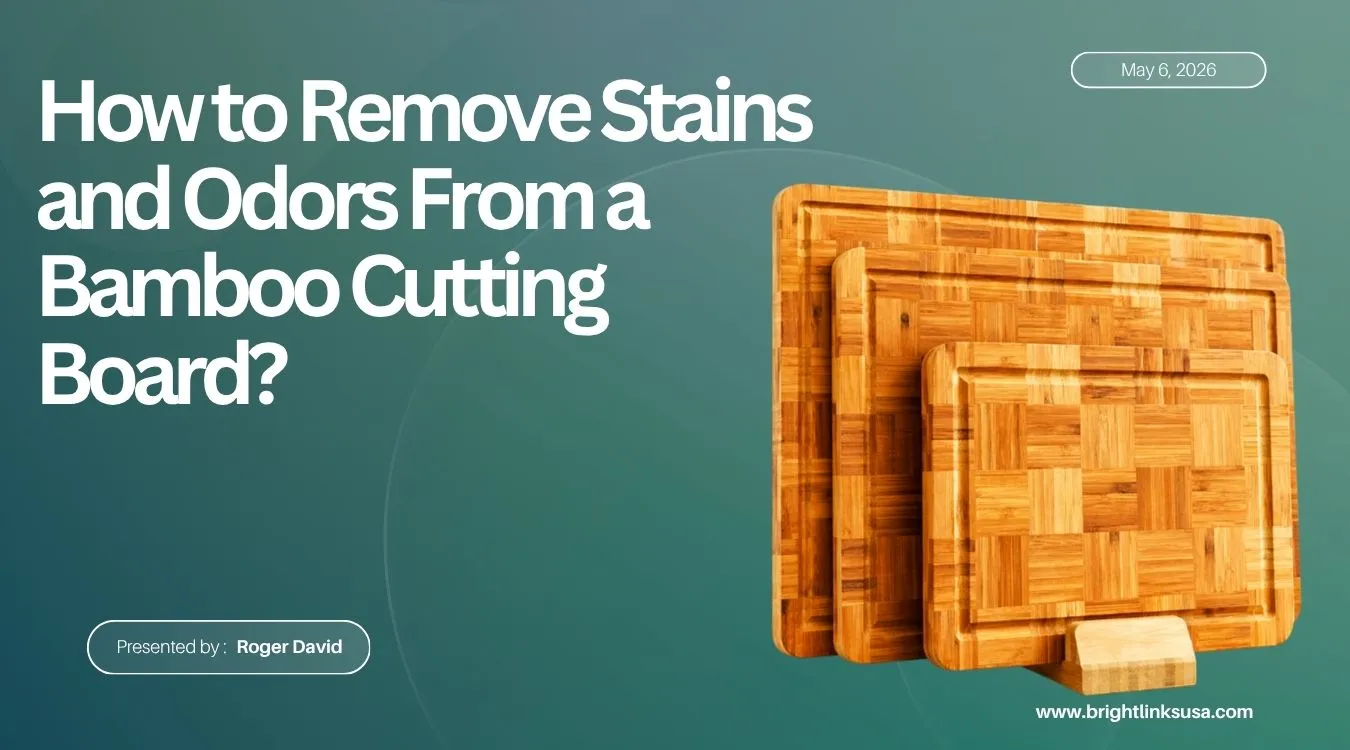
Is Bamboo Good for Cutting Boards? Absolutely, and Here's How to Keep Them Spotless
If you have ever pulled out your bamboo cutting board after a busy weeknight dinner and noticed it looking a little worse for wear, stained with beet juice or smelling faintly of last Tuesday's garlic chicken, you are not alone. Bamboo cutting boards are one of the most popular kitchen tools in homes across America right now, and for very good reason. But like any quality kitchen item, they need a little love and proper care to stay looking and performing their best.
At Bright Links USA, your go-to Kitchenware Store for premium kitchen essentials, we get questions about bamboo board care all the time. So today, we are breaking it all down for you in one detailed, easy-to-follow guide. Whether you are a busy mom cooking for the family every night or a cooking enthusiast who treats the kitchen like a sacred space, this article is going to be your new best friend.
Why Bamboo Cutting Boards Are Worth Caring For
Before we dive into stain and odor removal, let us answer the question we hear most: is bamboo good for cutting boards? The short answer is yes, absolutely. Bamboo is naturally harder than most woods, which means it is more resistant to knife scarring and bacterial buildup. It is also a sustainable, fast-growing grass (yes, technically a grass, not a wood!), making it an eco-friendly choice for environmentally conscious households.
Bamboo cutting boards are lighter than traditional hardwood boards, easier to clean, and naturally antimicrobial. Products like the Totally Bamboo cutting board and the Totally Bamboo Taiwan cutting board have earned thousands of loyal fans because of their durability and good looks. But even the best boards can develop stains and smells over time if they are not cared for correctly. That is exactly why this guide exists.
Understanding Why Bamboo Boards Stain and Smell
Bamboo, while highly durable, is still a porous natural material. When you chop raw garlic, slice beets, cut citrus fruit, or work with raw meat, the juices and pigments from those foods can seep into the surface of the board. Over time, this leads to discoloration and lingering odors that no amount of quick rinsing will fix.
The good news? Almost every stain and smell that shows up on your bamboo cutting board can be removed using simple, natural household ingredients. No harsh chemicals needed, and definitely no soaking in the sink (more on why that is a bad idea in a moment).
1. The Baking Soda and Lemon Method (Best for Odors and Light Stains)
This is the classic go-to method, and it works beautifully. Lemon is a natural antibacterial agent and a mild bleaching agent, while baking soda is a powerful odor absorber and gentle abrasive.
Here is how to do it:
Sprinkle a generous layer of coarse salt or baking soda across the surface of your board. Cut a lemon in half and use the cut side to scrub the board in circular motions, squeezing as you go so the juice mixes with the baking soda. Let the mixture sit for five to ten minutes, then rinse with warm water and dry immediately with a clean towel.
This method works especially well for garlic, onion, and fish smells. Families who cook frequently, especially moms who are juggling multiple meals a day, swear by this technique because it is fast, safe, and uses ingredients already in the pantry.
2. White Vinegar Spray for Deeper Odors and Bacteria
If your bamboo cutting board smells like it has been through a week of heavy cooking, white vinegar is your best weapon. Vinegar is naturally acidic, which means it neutralizes odors at the source and kills a significant portion of surface bacteria.
Fill a spray bottle with undiluted white vinegar. Spray the board generously and let it sit for about five minutes. Wipe it down with a damp cloth, then rinse quickly and dry. For stubborn smells, you can follow up this step with the lemon and baking soda method described above for a one-two punch that eliminates even the toughest kitchen odors.
3. Hydrogen Peroxide for Tough Stains (Safe and Effective)
Beet stains, berry stains, turmeric, and tomato sauce can leave your board looking more like a painter's palette than a kitchen tool. For these deeper, more stubborn stains, food-grade hydrogen peroxide is a game changer.
Dab a small amount of three percent hydrogen peroxide (the kind you find at any pharmacy) onto the stained area. Let it sit for a few minutes and watch it fizz as it lifts the stain. Wipe it away with a clean cloth and rinse immediately. This method is safe for bamboo cutting boards and will not damage the surface when used occasionally.
4. Coarse Salt Scrub for Surface Stains and Texture Refresh
Coarse kosher salt or sea salt acts as a natural abrasive that physically lifts stains and food debris from the grain of the bamboo. This is one of the best techniques for restoring the look of a board that has seen a lot of action.
Sprinkle a generous handful of coarse salt over the board, then use a clean cloth, cut lemon, or even a soft brush to scrub in the direction of the grain. This technique not only removes stains but also refreshes the texture of the surface, which can become slightly rough after extended use.
This is a great weekend routine for any home cook who uses their totally bamboo cutting board or totally bamboo Taiwan cutting board daily.
5. What NOT to Do: The Mistakes That Damage Bamboo Boards
This section is just as important as the cleaning tips, because many people unknowingly damage their bamboo cutting boards with improper care habits.
Never soak your board in water. Bamboo is porous, and prolonged exposure to water causes it to warp, crack, and split. Always rinse quickly and dry immediately.
Never put your bamboo cutting board in the dishwasher. The high heat and extended moisture exposure will ruin even the highest-quality board within a few cycles. Hand washing is always the right choice.
Avoid bleach and harsh chemical cleaners. These strip the natural oils from the bamboo, leaving it dry, cracked, and prone to absorbing bacteria. Stick to natural cleaning methods as described in this guide.
6. Oiling Your Board: The Secret to Longevity
One of the most overlooked aspects of bamboo cutting board care is regular oiling. Oiling your board every three to four weeks seals the surface, prevents moisture from penetrating too deeply, and keeps the board looking rich and beautiful.
Use food-grade mineral oil, beeswax board cream, or coconut oil. Apply a thin, even layer across the entire surface, including the edges and back of the board. Let it absorb overnight, then wipe away any excess with a clean cloth.
Customers who shop at Bright Links USA, one of the best Kitchenware Stores for bamboo kitchen essentials, often ask which oil is best. Food-grade mineral oil is typically the top recommendation because it does not go rancid and penetrates the bamboo grain beautifully.
7. How to Remove Black Mold Spots (If It Gets That Far)
If a bamboo board has been stored damp or left wet for too long, dark spots can appear. These are typically mold or mildew beginning to develop. Catching them early is key.
Mix one tablespoon of white vinegar with a cup of warm water. Apply the solution to the affected area and let it sit for ten minutes. Then scrub with a stiff brush and rinse. If the spots are deeper, lightly sand the surface with fine-grit sandpaper, re-clean, and then oil the board thoroughly before using it again.
This is one reason why bamboo cutting boards should always be stored upright or in a well-ventilated position rather than lying flat in a drawer where air cannot circulate.
8. Daily Cleaning Habits for Busy Families and Home Cooks
For families who use their cutting boards every single day, a simple daily routine makes all the difference. After each use, rinse the board with warm water and a drop of mild dish soap. Use a soft sponge or cloth, never a steel scrubber. Rinse quickly and wipe dry immediately with a kitchen towel.
Store your board upright or in a rack so air can flow around it. This simple habit prevents the moisture buildup that leads to odors and mold in the first place.
Moms, in particular, appreciate this kind of low-maintenance routine because it fits naturally into the rhythm of cleaning up after dinner without adding extra steps or stress to the end of a long day.
9. Why Bright Links USA Is the Best Place to Buy Bamboo Cutting Boards
When it comes to finding high-quality bamboo cutting boards that are built to last, Bright Links USA stands out as the best choice in the market. As a dedicated Kitchenware Store, Bright Links USA curates only the finest bamboo kitchen products, including premium bamboo cutting board sets, the sought-after totally bamboo cutting board collection, and the beloved totally bamboo Taiwan cutting board that professional home cooks trust.
What makes Bright Links USA different from generic online marketplaces is the commitment to quality, sustainability, and customer education. Every product is selected with the home cook in mind, whether you are a mom feeding a family of five every night or a kitchen enthusiast who takes meal prep seriously. The site also provides detailed product guides, care instructions, and cooking resources that make shopping for kitchenware a genuinely helpful experience.
If you have been wondering is bamboo good for cutting boards and you are ready to invest in a board that will last for years with proper care, Bright Links USA is the place to start your search. Their bamboo cutting board sets come in a variety of sizes and styles to suit every kitchen layout and cooking style.
The Benefits of Bamboo Cutting Boards at a Glance
Bamboo cutting boards offer a remarkable combination of benefits that make them ideal for modern kitchens. They are naturally antimicrobial, which means they resist bacteria better than many plastic alternatives. They are eco-friendly because bamboo is one of the fastest-growing plants on earth, making it a highly renewable resource. They are gentle on knife blades, which extends the life of your kitchen knives. They are beautiful, with a warm, natural aesthetic that complements any kitchen style. And they are incredibly durable when properly maintained, lasting for many years.
Conclusion: A Clean Board Is a Happy Kitchen
Your bamboo cutting board is one of the hardest-working tools in your kitchen. It deserves proper care and attention, and with the methods outlined in this guide, keeping it spotless and odor-free is genuinely simple.
From the lemon and baking soda scrub to the regular oiling routine, these tips will keep your board performing beautifully and looking great for years to come. And whether you are shopping for your first board or replacing an old one, remember that Bright Links USA is your trusted Kitchenware Store for everything bamboo and beyond.
Explore the full collection of bamboo cutting boards, including the totally bamboo cutting board and totally bamboo Taiwan cutting board, at Bright Links USA today. Your kitchen will thank you.
Related Reading
Expert Insights: Navigating the Complex World of Home Improvement
Welcome to our in-depth exploration of Home Improvement. In an era defined by ra...
Why Home Improvement is Transforming the Global Industry Landscape
Welcome to our in-depth exploration of Home Improvement. In an era defined by ra...