How to Choose the Right Villa Size for Your Family’s Current and Future Needs
By Harru 16
21 Views
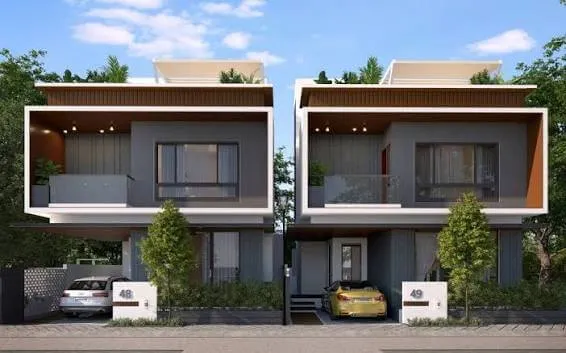
Choosing the right villa size involves more than counting bedrooms or comparing square footage. A home that feels spacious today should also support your family's changing needs over the coming years. Whether you are planning for children, setting up a home office, accommodating visiting relatives, or creating space for hobbies, the right layout can make everyday life more comfortable.
When exploring villas in Bangalore, consider how your family uses space, which rooms matter most, and how much maintenance you are willing to manage. A thoughtfully designed villa can offer greater convenience than a larger property with an inefficient layout.
1. Start with Your Family’s Everyday Routine
Before comparing properties, consider how your household functions on a typical day. The number of people living in the villa is important, but their routines also influence the space you need.
A couple working from home may need a dedicated office, while a family with children may prioritise separate bedrooms, play areas, and storage. Families who frequently host relatives may benefit from a guest bedroom or a flexible multipurpose room.
Make a list of your daily requirements, including:
-
The number of bedrooms needed now.
-
Whether separate work or study spaces are necessary.
-
The need for a guest room or space for visiting family.
-
Storage requirements for clothing, equipment, and household items.
-
Areas for dining, relaxation, hobbies, or indoor activities.
-
Accessibility requirements for older family members.
This exercise helps you focus on usable space instead of choosing a property simply because it has more rooms.
2. Understand the Difference Between Plot Area and Built-Up Area
When comparing Villas in Bangalore in Sale, pay close attention to the different area measurements mentioned in property listings.
Plot area refers to the land parcel associated with the villa. It may include the building footprint, garden, driveway, and other outdoor portions within the plot.
Built-up area generally refers to the constructed area, including the covered spaces and applicable wall areas. The precise calculation can vary according to the measurement method used.
Carpet area generally refers to the net usable floor area within the internal walls of a home, subject to the applicable legal definition.
These measurements are not interchangeable. Two villas with similar advertised built-up areas may feel very different depending on the staircase placement, corridor lengths, wall thickness, room proportions, and storage arrangements.
Ask the seller or developer to clarify the area measurements in writing. Review the floor plan and, where necessary, have a qualified professional confirm how the figures have been calculated.
3. Choose a Bedroom Count That Makes Sense
A three-bedroom villa may be sufficient for one family but restrictive for another. The right choice depends on how each room will be used.
Two-bedroom villas
A two-bedroom layout may suit couples, small households, or buyers who prefer a simpler home with fewer rooms to furnish and maintain. However, it may offer limited flexibility if the family grows or regular guests need overnight accommodation.
Three-bedroom villas
A three-bedroom villa can provide a practical balance for many families. It may allow parents and children to have separate bedrooms while retaining a guest room or occasional workspace.
The usefulness of the layout depends on room dimensions and privacy. Three compact bedrooms may not be as functional as two spacious bedrooms with a well-planned multipurpose room.
Four-bedroom villas and larger layouts
Larger villas may be appropriate for multigenerational households, families with several children, or people who need dedicated work, hobby, or guest spaces.
However, extra bedrooms can increase furnishing costs, cleaning requirements, utility consumption, and ongoing maintenance. Consider whether the additional space will be used regularly before paying for it.
4. Plan for Future Changes in Your Family
A home purchase is often a long-term commitment, so consider how your requirements might change over the next five to ten years.
A growing family may need additional bedrooms, more storage, or a larger common area. Families with older children may eventually prefer separate study spaces or greater privacy. If parents or relatives may move in later, a bedroom on the ground floor could become especially useful.
Look for flexibility in the floor plan. A spare room that can function as an office today and a bedroom later may be more valuable than a space designed for only one purpose.
Also consider the possibility of working from home more frequently. A quiet room with a door, good natural light, and reliable electrical and internet provisions can make a meaningful difference.
When comparing Villas for Sale in Bangalore, evaluate the home you need today while leaving reasonable room for likely changes. Avoid paying for speculative future needs that may never materialise.
5. Evaluate Common Areas and Privacy
The overall layout can influence your family's comfort as much as the bedroom count.
A well-designed living and dining area should allow people to gather without obstructing movement. If family members have different schedules, consider whether bedrooms are sufficiently separated from noisy common spaces.
Check whether the kitchen connects conveniently to the dining area and utility space. Consider how visitors will move through the house and whether private bedrooms are visible from the main entrance.
For multigenerational families, a bedroom and bathroom on the ground floor may reduce the need to use stairs frequently. If mobility could become a concern, assess staircase design, door widths, and the possibility of adapting certain areas later.
A larger villa does not automatically provide more privacy. Window placement, neighbouring buildings, internal partitions, and the positioning of outdoor areas all affect how private the home feels.
6. Do Not Overlook Outdoor Space
One advantage of villa living is the possibility of having a private garden, patio, terrace, or other outdoor area. However, the size and usefulness of these spaces vary considerably.
A small garden may be sufficient for a few plants, outdoor seating, or a children's play area. Families who enjoy gardening, entertaining outdoors, or spending time with pets may need more usable open space.
During a site visit, consider:
-
How much of the plot is occupied by the building.
-
Whether the garden receives adequate sunlight.
-
How easily outdoor areas can be accessed from the living spaces.
-
Whether rainwater drains away effectively.
-
How much time and money landscaping will require.
-
Whether there is enough privacy from neighbouring properties.
A larger plot can offer greater flexibility, but it may also require more gardening, cleaning, and maintenance. Choose outdoor space according to your interests rather than treating a bigger plot as automatically better.
7. Calculate the Total Cost of a Larger Villa
The purchase price is only one part of the cost of owning a home. Larger properties may involve higher expenses for interiors, furniture, lighting, cooling, cleaning, and repairs.
Before choosing between different sizes, estimate the complete budget. Include the property price, applicable taxes and registration charges, loan expenses, interior work, appliances, maintenance fees, and an emergency reserve.
Think about recurring expenses as well. More rooms may mean more lighting and cooling, while larger gardens and outdoor areas can require additional upkeep.
For buyers exploring Villas to Buy in bangalore, the goal should be to find a size that provides sufficient space without placing unnecessary pressure on the household budget.
It is generally more practical to choose a well-planned villa that you can comfortably afford than to stretch your finances for rooms that remain unused.
8. Inspect the Floor Plan Before Visiting
A floor plan can help you eliminate unsuitable options before spending time on site visits. Look beyond the number of rooms and examine how the space is organised.
Check whether the bedrooms can accommodate your intended furniture, whether the kitchen has sufficient worktop space, and whether the staircase occupies a disproportionate amount of the floor area.
Consider the placement of bathrooms, storage areas, windows, and doors. Long corridors, awkward corners, and poorly positioned doorways can reduce the usable space even in a large property.
If possible, bring approximate furniture measurements to the site visit. You can also ask a designer or architect to review the plan if you are uncertain about its practicality.
Compare the floor plan with the actual property and confirm that any proposed modifications are permitted before assuming you can change the layout.
Conclusion
Choosing the right villa size requires a balance between present-day comfort, future flexibility, usable space, and affordability. Bedroom count and advertised square footage are useful starting points, but the layout, storage, privacy, outdoor areas, and maintenance requirements are equally important.
List your family's priorities, compare area measurements carefully, and assess how each room will serve a practical purpose. Consider likely lifestyle changes without paying for space you may not need.
The best choice among Villas in Bangalore for Sale is not necessarily the largest property. It is the villa that supports your family's daily routine, accommodates realistic future needs, and remains comfortable to own over the long term.