How to Choose the Right Trade Show Coordinator in the USA?
By Kathy Lovett
141 Views
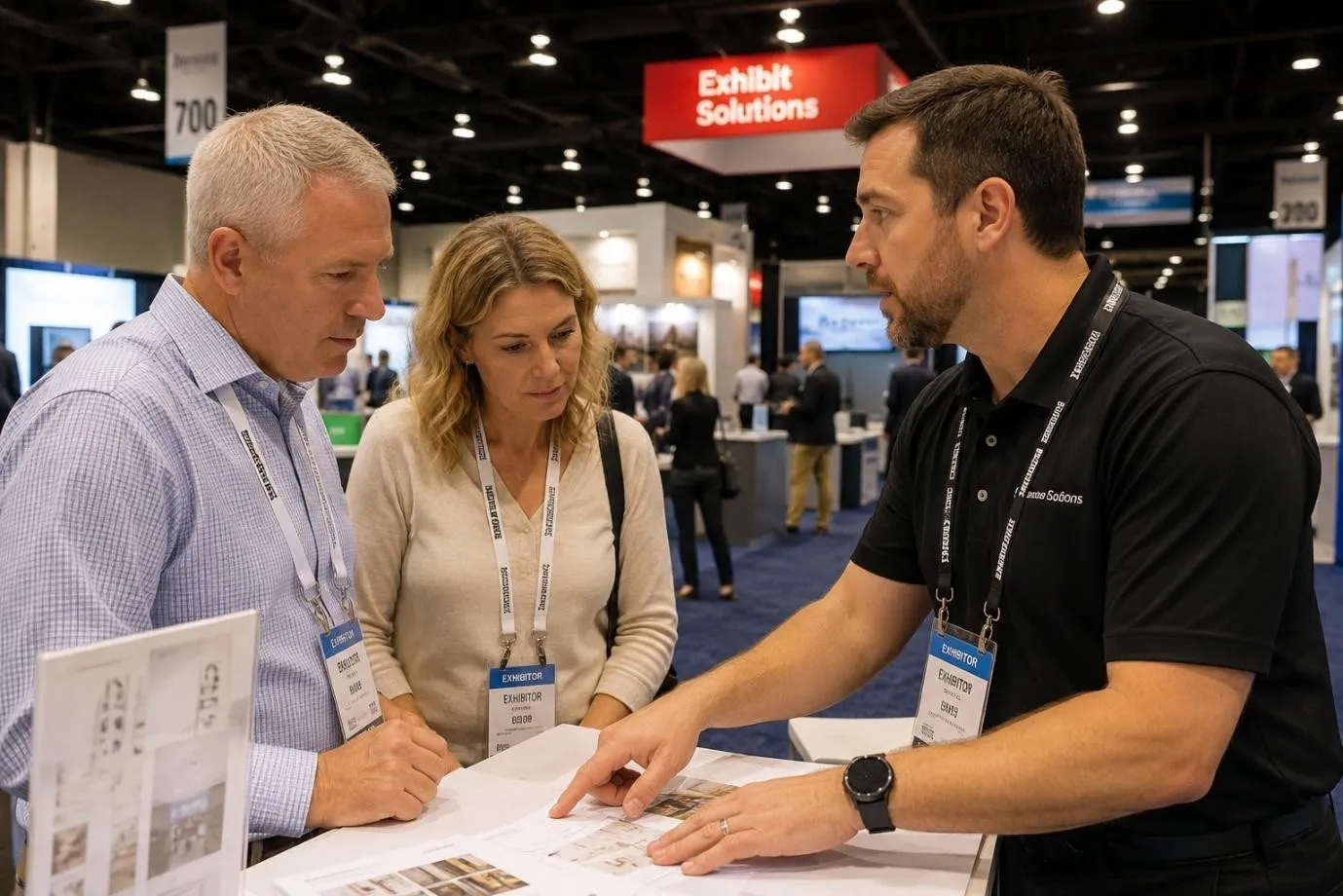
Trade shows are one of the most effective ways for businesses to connect with potential customers, showcase products, and build brand awareness. However, behind every successful exhibition booth is careful planning, smooth logistics, and flawless execution. That’s where professional trade show coordination becomes essential.
Choosing the right trade show coordinator in the USA can make a huge difference in your event experience. From managing booth installation to handling shipping timelines and exhibitor services, an experienced coordinator ensures everything runs efficiently so your team can focus on networking and sales.
Why Trade Show Coordination Matters?
Participating in a trade show involves multiple moving parts. Booth design, shipping, setup, labor management, electrical requirements, and dismantling all need to work together perfectly. Even a small mistake can lead to delays, extra costs, or missed opportunities.
A skilled trade show coordinator acts as the central point of communication between exhibitors, venue staff, logistics teams, and contractors. Their role is to keep every detail organized before, during, and after the event.
Whether you are exhibiting at a small regional expo or a large international convention in the USA, professional coordination helps reduce stress and improves overall event performance.
Key Factors to Consider When Choosing a Trade Show Coordinator
1. Industry Experience
Experience should be one of your top priorities. Trade shows operate under strict schedules and regulations, so you need someone who understands the exhibition industry inside and out.
Look for a coordinator who has experience managing different types of events, including:
- Corporate expos
- Convention center exhibitions
- Product launches
- International trade fairs
- Industry-specific events
An experienced trade show coordinator will know how to solve problems quickly and avoid common mistakes that can affect your event success.
2. Knowledge of USA Trade Show Venues
Every convention center and exhibition hall in the USA has its own rules, deadlines, and operational procedures. A coordinator familiar with major trade show venues can save you time and prevent costly errors.
They should understand:
- Venue regulations
- Labor union requirements
- Shipping schedules
- Booth setup guidelines
- Safety compliance standards
This knowledge helps ensure a smoother exhibiting process from start to finish.
3. Strong Communication Skills
Trade show planning involves constant communication between multiple vendors and service providers. Your coordinator should be responsive, organized, and easy to work with.
Choose someone who:
- Provides regular updates
- Responds quickly to questions
- Handles vendor communication professionally
- Keeps timelines and schedules organized
Good communication reduces confusion and helps your team stay informed throughout the event process.
4. Comprehensive Trade Show Services
Many businesses prefer working with a coordinator who can manage multiple aspects of the exhibition instead of hiring separate vendors for each task.
Look for trade show coordination services that include:
- Booth logistics
- Exhibit installation and dismantling
- Shipping management
- On-site supervision
- Vendor coordination
- Storage solutions
- Graphic and display support
A full-service coordinator can simplify the entire experience and improve efficiency.
5. Problem-Solving Ability
Trade shows are fast-paced environments, and unexpected issues can happen at any time. Delayed shipments, missing materials, labor shortages, or last-minute booth adjustments are common challenges.
A reliable trade show coordinator should remain calm under pressure and provide quick solutions without disrupting your event schedule.
Ask potential coordinators how they handle emergency situations or unexpected event changes. Their response can reveal a lot about their professionalism and experience.
6. Transparent Pricing
Budget management is important for every exhibitor. Before hiring a trade show coordinator, request a detailed breakdown of costs and services.
Make sure you understand:
- Service fees
- Labor charges
- Shipping expenses
- Additional event costs
- Cancellation policies
Transparent pricing helps avoid hidden charges and keeps your exhibition budget under control.
7. Client Reviews and Portfolio
Always review testimonials, case studies, or previous projects before making your decision. Positive feedback from past clients can give you confidence in the coordinator’s reliability and service quality.
Look for:
- Successful event examples
- Long-term client relationships
- Positive online reviews
- Professional references
A strong portfolio demonstrates proven experience in managing trade show coordination projects successfully.
Benefits of Hiring the Right Trade Show Coordinator
Working with a professional trade show coordinator in the USA offers several advantages, including:
- Reduced stress during event planning
- Better time management
- Improved booth setup efficiency
- Smooth exhibitor logistics
- Fewer operational errors
- Enhanced brand presentation
- Stronger return on investment from trade shows
With expert coordination, your business can focus more on customer engagement and lead generation rather than operational challenges.
Trade shows require detailed planning, precise execution, and constant coordination. Choosing the right trade show coordinator in the USA can significantly impact your event success and overall exhibiting experience.
Take time to evaluate experience, communication skills, service offerings, and industry knowledge before making your decision. A dependable coordinator will help your brand stand out while ensuring every aspect of your exhibition runs smoothly.
Investing in professional trade show coordination is not just about convenience - it’s about maximizing opportunities, improving efficiency, and achieving better results from every event.
Related Reading
Top 10 Hidden Secrets About Business & Finance You Need to Know
Welcome to our in-depth exploration of Business & Finance. In an era defined...
Why Business & Finance is Transforming the Global Industry Landscape
Welcome to our in-depth exploration of Business & Finance. In an era defined...