How to Choose the Right Timber Mats for Your Construction Project?
102 Views
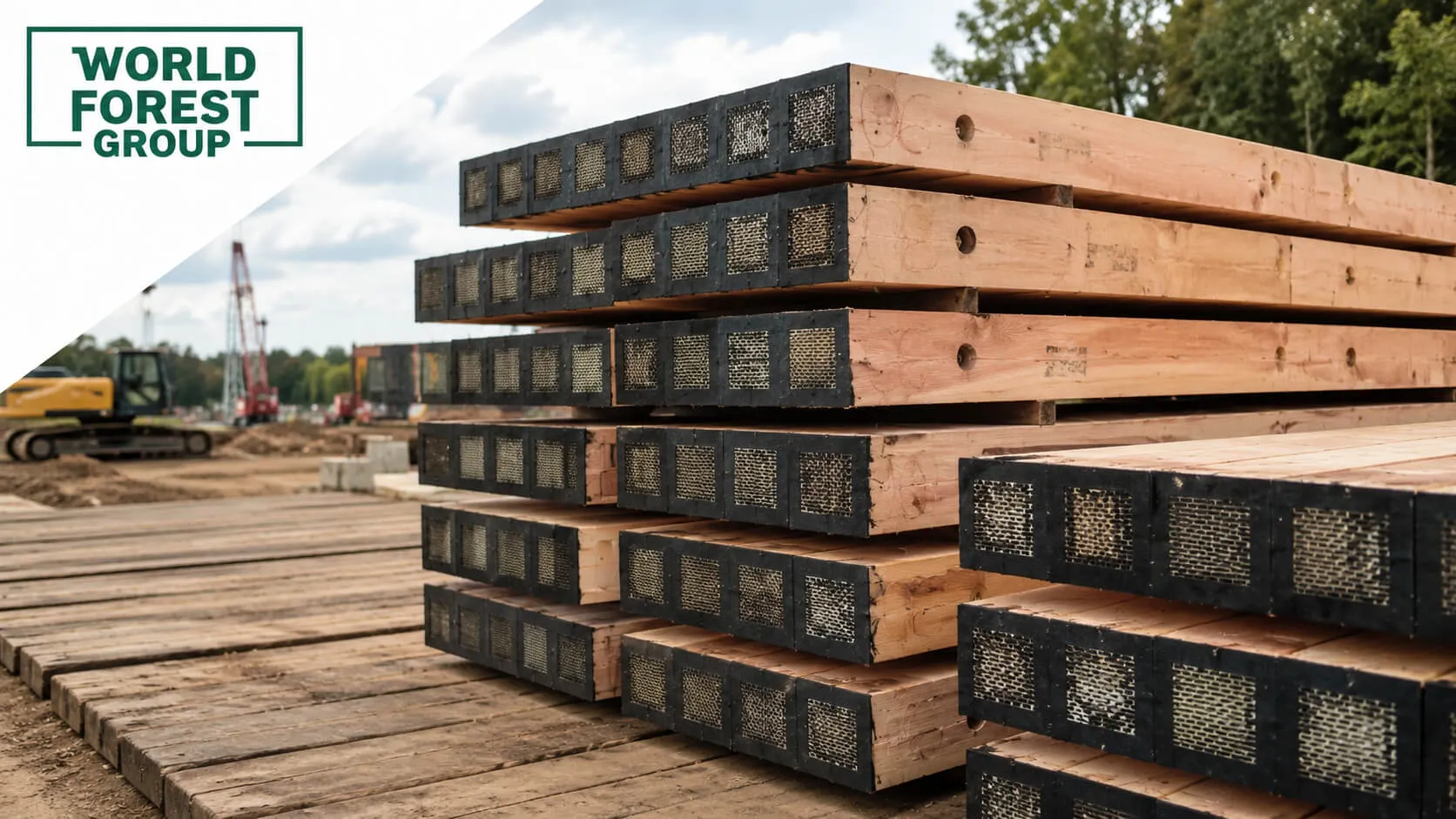
Every successful construction project starts with good planning. Contractors spend time evaluating schedules, equipment, budgets, and site conditions before work begins because small decisions made during the planning phase often have the biggest impact later. Choosing the right timber mats is one of those decisions.
Many people assume that a timber mat is simply a platform placed beneath heavy equipment, but its role is much greater. The right mat helps distribute weight, improves equipment stability, protects the ground, creates temporary access roads, and reduces the risk of costly delays caused by poor site conditions. On the other hand, choosing the wrong mat can lead to rutting, equipment downtime, expensive site restoration, and safety concerns that could have been avoided with better planning.
Instead of asking, "Which timber mat is the strongest?" experienced contractors usually ask a different question: "Which timber mat is right for this specific project?" The answer depends on several factors, including soil conditions, equipment loads, weather, project duration, and the type of work being performed.
Every Job Site Is Different
Start with the Ground, Not the Equipment
One mistake that inexperienced buyers often make is selecting mats based on equipment weight before evaluating the site itself.
Ground conditions determine how well the soil can support heavy loads. A 70,000-pound excavator operating on compact gravel creates a very different challenge than the same machine working on saturated clay or recently backfilled soil.
Before choosing any mat, walk the entire work area. Look for standing water, drainage channels, soft spots, filled trenches, and areas where equipment will repeatedly travel. These locations usually experience the greatest stress throughout the project.
After years of working around construction sites, one pattern becomes clear: machines rarely get stuck because they're too heavy. They get stuck because the ground beneath them wasn't properly assessed.
Think About How Equipment Will Move
Heavy equipment doesn't simply drive from one point to another.
It accelerates, brakes, turns, lifts, and sometimes remains stationary while performing demanding tasks. Each movement changes how pressure is applied to the ground.
For example, a crane performing multiple lifts from one location creates continuous pressure beneath its outriggers. An excavator repeatedly swinging loaded buckets in the same area also concentrates stress in a relatively small footprint.
These situations often require more support than a simple travel path.
Understanding how equipment will operate—not just where it will travel—helps determine the type and placement of mats needed.
Consider Seasonal Conditions
A site inspection completed during dry weather doesn't always represent conditions throughout the project.
Rainfall can soften previously stable soil within hours. Freeze-thaw cycles may weaken ground that appeared firm only days earlier. Spring construction often presents different challenges than projects completed during late summer.
Experienced project managers usually plan for the worst conditions they expect to encounter rather than the best conditions they see during the initial inspection.
Preparing for changing weather often prevents expensive interruptions later.
Equipment Weight Is Only Part of the Equation
Ground Pressure Matters More Than Most People Think
Equipment specifications provide operating weight, but that number tells only part of the story.
Ground pressure depends on how that weight is distributed. A tracked excavator spreads its load across a larger surface than a wheeled loader, while cranes transfer enormous forces through relatively small outrigger pads during lifting operations.
Two machines with similar operating weights may require completely different levels of ground protection.
Looking beyond simple weight figures leads to better decisions and safer operations.
Don't Forget Loaded Equipment
Another common oversight is calculating support requirements using empty equipment weights.
Construction vehicles rarely operate empty throughout the day.
Loaded dump trucks, material handlers carrying heavy loads, and cranes lifting structural components all generate significantly higher ground forces than their unloaded specifications suggest.
Planning for maximum operating conditions rather than average conditions provides an additional safety margin that contractors rarely regret.
Repeated Traffic Changes Everything
A single pass across stable ground may cause very little disturbance.
However, repeated trips over the same route gradually weaken soil, especially during wet weather.
Temporary access roads often experience hundreds of equipment movements throughout a project. Without adequate support, these routes begin to rut, collect water, and eventually slow production.
Selecting appropriate timber mats for high-traffic areas reduces maintenance while helping equipment move efficiently throughout construction.
Choosing the Right Material
Why Hardwood Continues to Be the Preferred Choice?
Construction projects demand materials that perform consistently under pressure.
Hardwood timber mats remain a preferred option because they offer excellent strength, wear resistance, and long service life. Dense hardwood fibers better withstand repeated heavy loading while resisting excessive compression during demanding applications.
Although hardwood mats often require a larger initial investment, they frequently provide greater value when used across multiple projects.
Replacing inexpensive mats more often usually costs more than purchasing quality materials from the beginning.
Manufacturing Quality Matters
Not all mats that appear similar perform the same way.
Differences in timber quality, construction methods, fastening systems, and manufacturing standards all influence durability.
Poorly constructed mats may begin separating after repeated transportation or heavy use. Loose fasteners and damaged timbers can quickly become both maintenance issues and safety hazards.
When evaluating suppliers, ask about material selection, construction standards, expected service life, and inspection recommendations rather than focusing only on price.
Choosing the Right Size
Bigger Isn't Always Better
Some contractors assume that selecting the largest available mat automatically provides the best performance.
In reality, oversized mats may increase transportation costs, require additional lifting equipment, and slow installation without delivering meaningful benefits.
Likewise, undersized mats may fail to distribute loads effectively, creating unnecessary pressure on the ground.
The goal isn't choosing the biggest product—it's choosing the right product for the conditions you're working in.
Think About Future Projects
Many contractors use the same inventory across several projects over many years.
Before making a purchase, consider how often the mats will be relocated, the types of equipment they'll support in the future, and whether upcoming projects may involve different site conditions.
A versatile inventory often provides better long-term value than buying specifically for one project alone.
Don't Base Every Decision on Price
Budget always matters, but experienced contractors understand that purchase price represents only one part of the overall cost.
Equipment downtime, project delays, replacement frequency, transportation expenses, and site restoration all contribute to the true cost of ownership.
A higher-quality mat that performs reliably over multiple years often becomes the more economical option when viewed across its entire service life.
Consider the Entire Life Cycle of the Mats
Maintenance Starts Before the First Lift
Many contractors think about maintenance only after mats begin showing signs of wear. In reality, good maintenance starts before they are ever placed on the ground.
Inspect each mat before delivery to the job site. Look for split timbers, loose bolts, damaged lifting points, or excessive wear from previous projects. Small issues that seem harmless during loading can become much larger problems once heavy equipment begins operating.
Creating a simple inspection checklist for every project helps extend service life and reduces unexpected downtime.
Proper Storage Protects Your Investment
How mats are stored between projects has a direct impact on how long they last.
Whenever possible, stack them on firm, level ground instead of directly on mud or standing water. Keeping the stack slightly elevated allows air to circulate underneath, reducing long-term moisture exposure.
Storage areas should also allow easy access for inspections. If damaged mats remain buried beneath a stack for months, problems often go unnoticed until the next project begins.
Contractors who maintain their equipment with the same attention they give their machinery usually get many more years of service from their timber mats.
Common Mistakes That Cost Contractors Time and Money
Choosing Mats Too Late
One of the most common planning mistakes is waiting until equipment is already scheduled to arrive.
Ground protection should be part of the early planning process, not a last-minute purchase. By the time heavy equipment is on its way to the site, there is little opportunity to adjust access routes or evaluate different mat options.
Planning early also helps avoid delays caused by product availability or transportation schedules.
Ignoring Site Traffic Patterns
Many projects focus only on where equipment will work, overlooking how it will move throughout the site.
Repeated travel usually creates more ground damage than isolated work areas. Entry roads, turning points, loading zones, and staging areas often experience continuous traffic throughout the project.
Protecting these locations first can significantly reduce maintenance and improve overall site efficiency.
Assuming One Size Fits Every Project
A mat that performed well on a bridge project may not be the best choice for a utility installation or renewable energy site.
Each project presents different soil conditions, equipment, weather, and operational requirements. Treating every job the same often leads to unnecessary costs or performance issues.
Taking a few extra hours to evaluate each site individually usually saves far more time than trying to solve problems after work has started.
Questions to Ask Before You Buy
What Conditions Will the Mats Face?
Ask yourself:
- Will the site remain dry or become saturated?
- How many equipment movements are expected each day?
- Will mats remain in place for weeks or several months?
- Are there environmentally sensitive areas that require additional protection?
These questions help narrow the options before comparing products.
Will These Mats Be Used Again?
If this is a one-time project, your priorities may differ from those of a contractor managing multiple jobs every year.
For companies that regularly work on civil construction, utilities, infrastructure, or renewable energy projects, durability and reusability often become more valuable than the lowest purchase price.
Thinking beyond the current project usually leads to better long-term decisions.
Is the Supplier Focused on Products or Solutions?
A good supplier doesn't simply recommend the same mat for every customer.
Instead, they ask questions about the project, equipment, soil conditions, and schedule before making recommendations.
This approach helps ensure the selected mats fit the project rather than forcing the project to fit the available inventory.
Companies like World Forest Group work closely with contractors to understand these practical requirements, helping customers choose products based on real job site conditions instead of assumptions.
You may also find it helpful to explore our guides on Timber Mat Weight Capacity, Timber Mat Maintenance, and Temporary Construction Access Roads when planning future projects.
Choosing the right timber mats is rarely about buying the most expensive option or the thickest product available. It's about understanding the conditions your equipment will face and selecting materials that match those conditions. When soil, equipment, traffic patterns, weather, and project duration are evaluated together, contractors are better prepared to keep projects moving safely, reduce unnecessary ground damage, and get more value from every investment they make.
Frequently Asked Questions
How do I know which timber mats are right for my project?
Start by evaluating ground conditions, equipment weight, expected traffic, weather, and project duration. These factors determine the size, thickness, and type of mat that will perform best.
Can the same timber mats be used on different projects?
Yes. High-quality hardwood mats can be reused across multiple projects if they are inspected regularly, maintained properly, and stored in suitable conditions between jobs.
Should I choose mats based only on equipment weight?
No. Equipment weight is important, but ground pressure, soil conditions, repeated traffic, and equipment movement all affect the level of support required.
When should timber mats be inspected?
Inspect them before each project, during long-term use, and after removal. Regular inspections help identify damage early, improve safety, and extend the life of the mats.
Related Reading
Top 10 Hidden Secrets About Business & Finance You Need to Know
Welcome to our in-depth exploration of Business & Finance. In an era defined...
Why Business & Finance is Transforming the Global Industry Landscape
Welcome to our in-depth exploration of Business & Finance. In an era defined...