How to Choose the Right Seafood Distributor for Quality, Cost, and Reliability
63 Views
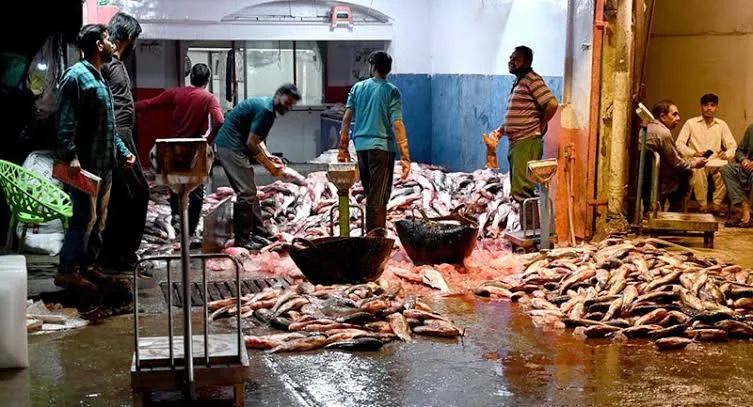
Choosing the right seafood supplier can have a major impact on a restaurant, grocery store, hotel, catering company, or foodservice operation. Seafood is highly perishable, and even small problems with handling, temperature control, or delivery schedules can affect quality and profitability. Reliable seafood distributors help businesses maintain a consistent supply while meeting food safety and customer expectations.
However, finding a suitable distributor involves more than comparing prices. Buyers need to consider product quality, sourcing practices, delivery capabilities, storage conditions, order flexibility, and supplier reliability. A distributor that works well for one business may not be the right choice for another.
What Do Seafood Distributors Do?
Seafood distributors serve as an important connection between producers, fisheries, aquaculture operations, processors, and businesses that sell or prepare seafood. They purchase seafood in commercial quantities, maintain appropriate storage conditions, and deliver products to customers.
Their product range may include fresh fish, frozen seafood, shellfish, specialty species, and value-added products. Depending on the distributor, buyers may also find cleaned, filleted, portioned, peeled, or otherwise prepared products.
For example, a busy restaurant may need fresh salmon delivered several times per week. A grocery store may require a broader inventory that includes frozen shrimp, crab, oysters, and packaged fish. Meanwhile, a catering company might prioritize flexible ordering and dependable delivery during large events.
Understanding these differences is the first step toward selecting a supplier that fits your operation.
How to Choose a Seafood Distributor
Selecting a distributor becomes easier when you evaluate suppliers systematically rather than relying on price alone.
1. Define Your Seafood Requirements
Start by identifying exactly what your business needs.
Consider:
- Species and varieties required
- Fresh versus frozen products
- Average weekly order volume
- Preferred package sizes
- Fillet or preparation requirements
- Delivery frequency
- Seasonal products
- Budget limitations
- Geographic delivery area
A restaurant specializing in seafood may need premium fresh products, while a casual restaurant might prioritize consistent pricing and frozen inventory.
Creating a basic purchasing list also makes it easier to compare distributors fairly.
2. Evaluate Product Quality
Quality should be one of the most important considerations when buying seafood.
For fresh fish, buyers should pay attention to appearance, smell, texture, and temperature. Fish should generally have a clean, mild aroma rather than a strong unpleasant odor. Flesh should be firm, and products should arrive properly chilled.
Frozen seafood requires different checks. Look for intact packaging, appropriate labeling, and minimal signs of freezer damage. Excessive ice crystals or damaged packaging may indicate poor storage or temperature fluctuations.
When possible, request samples before committing to large recurring orders. A sample can reveal more about a distributor's actual product quality than a sales conversation.
3. Ask About Food Safety Practices
Seafood requires careful temperature control and sanitation throughout the supply chain.
Ask potential suppliers about their handling procedures, cold-storage facilities, transportation practices, and food safety programs. Businesses should also understand how products are labeled and tracked.
Traceability is particularly valuable. If a quality or safety issue occurs, the ability to identify where a product came from and when it was received can help businesses respond quickly.
A professional distributor should be able to explain its safety procedures clearly rather than giving vague answers.
4. Examine Delivery Reliability
A seafood supplier can offer excellent products but still create problems if deliveries are inconsistent.
Ask about delivery schedules, order cut-off times, minimum order requirements, delivery areas, and procedures for handling delays.
Consider a restaurant that receives its primary seafood shipment every Tuesday morning. If deliveries frequently arrive late, the restaurant may need emergency purchases at higher prices or may struggle to serve customers.
Reliable scheduling therefore has financial value beyond convenience.
5. Compare Pricing Properly
Price matters, but the lowest quoted price is not always the cheapest option.
Compare the complete purchasing cost, including:
- Product price
- Delivery fees
- Minimum order requirements
- Processing charges
- Packaging costs
- Potential spoilage
- Replacement policies
For example, Supplier A might offer lower prices but require large minimum orders. Supplier B could charge slightly more while allowing smaller, more frequent deliveries. If Supplier A's excess inventory regularly goes unused, the lower unit price may not actually produce savings.
Common Challenges When Working With Seafood Suppliers
Businesses commonly encounter several challenges when managing seafood procurement.
Inconsistent Quality
Different shipments may sometimes vary in size, appearance, or freshness. Establishing clear product specifications can reduce this problem.
Instead of simply ordering "salmon," a buyer might specify the desired cut, approximate size, packaging format, and quality requirements.
Seasonal Availability
Some seafood products are affected by fishing seasons, weather conditions, regulations, and changes in supply. A dependable distributor should communicate potential shortages early.
Businesses can reduce disruption by identifying acceptable alternatives before a shortage occurs.
Price Fluctuations
Seafood prices can change because of supply conditions, transportation costs, fuel prices, seasonal demand, and other market factors.
Restaurants should avoid building menus around products with highly unpredictable costs without considering alternative options.
Excess Inventory
Buying too much seafood creates unnecessary waste. Businesses should match purchasing quantities with realistic sales forecasts.
Tracking how quickly different products sell can help buyers establish better ordering patterns.
Practical Tips for Managing Seafood Purchases
Once you select a distributor, good purchasing practices can improve results further.
Maintain receiving standards. Train employees to check deliveries immediately. Record product temperatures, packaging condition, quantities, and obvious quality concerns.
Track waste. Keep records of discarded or spoiled seafood. Repeated waste may indicate purchasing quantities are too high or storage practices need improvement.
Build communication with suppliers. Tell distributors about upcoming events, seasonal menu changes, and expected increases in demand. Advance notice can make procurement easier.
Keep backup options. Even reliable suppliers can experience shortages or transportation problems. Having an alternative source can protect your operation during unexpected disruptions.
Review supplier performance regularly. Consider delivery accuracy, product consistency, responsiveness, pricing, and issue resolution. A supplier should be evaluated based on actual performance over time.
Example: A Small Restaurant
Imagine a neighborhood restaurant that sells grilled fish, shrimp dishes, and seafood pasta. Initially, the owner orders large quantities once a week because the unit price is lower.
After tracking inventory, the restaurant discovers that some products remain unused before their quality declines. The owner changes to smaller deliveries twice per week.
Although the price per unit is slightly higher, overall waste decreases. The restaurant also has fresher inventory and more predictable purchasing costs.
This illustrates why procurement decisions should be based on total operating results rather than price alone.
Conclusion
Choosing the right seafood distributor requires careful evaluation of quality, food safety, delivery reliability, product availability, pricing, and service. The best supplier is not necessarily the one offering the lowest price. It is the one that consistently meets your business's requirements while helping control waste and operational risk.
Start by defining your seafood needs, compare suppliers using consistent criteria, test product quality, and monitor performance after establishing a relationship. With a structured purchasing process and clear communication, businesses can build a dependable seafood supply chain that supports both customer satisfaction and long-term profitability.
Related Reading
Why Lifestyle & Culture is Transforming the Global Industry Landscape
Welcome to our in-depth exploration of Lifestyle & Culture. In an era define...
Expert Insights: Navigating the Complex World of Lifestyle & Culture
Welcome to our in-depth exploration of Lifestyle & Culture. In an era define...