How to Choose the Right Metal Casting Service for Your Manufacturing Needs?
62 Views
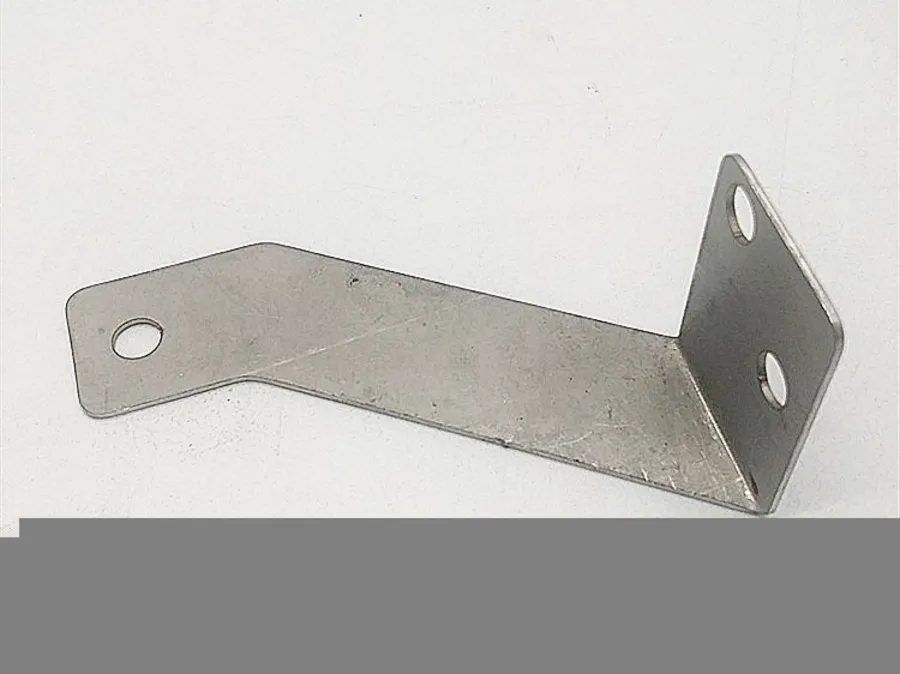
Choosing the right manufacturing partner is a critical decision for businesses that depend on high-quality metal components. The selected supplier can directly influence product durability, dimensional accuracy, manufacturing costs, production schedules and overall product performance. Whether you require components for automotive systems, industrial machinery, construction equipment, energy applications or engineering projects, working with an experienced casting manufacturer can provide greater consistency and production reliability. A professional metal casting service should combine advanced technology, skilled engineering, material expertise, rigorous quality control and dependable production capabilities to meet specific manufacturing requirements.
Define Your Component and Production Requirements
The first step in selecting a suitable manufacturing partner is to establish clear project requirements. Consider the component's dimensions, geometry, weight, material specification, dimensional tolerances, surface finish, production volume and intended application. These factors determine which casting process and material will provide the best overall result.
For example, components with intricate geometries may be suitable for investment casting, while larger and less complex components may be better suited to sand casting. High-volume requirements may benefit from automated processes that provide repeatable production and efficient cycle times. Clearly defining these requirements allows manufacturers to provide accurate recommendations and quotations while reducing potential production issues.
Evaluate Casting Processes and Manufacturing Capabilities
Different casting processes are designed to address different manufacturing requirements. A reliable metal casting service provider should have extensive knowledge of processes such as sand casting, investment casting, die casting, gravity casting and centrifugal casting.
When evaluating a manufacturer, consider the types of casting equipment available, maximum component dimensions, achievable tolerances, production capacity, tooling capabilities and experience with similar components. A manufacturer with broad process capabilities can provide greater flexibility and recommend the most appropriate method according to the project's technical and commercial requirements.
Verify Material Selection and Metallurgical Expertise
The performance of a cast component depends significantly on the material selected for its application. Manufacturers may work with aluminium alloys, stainless steel, carbon steel, cast iron, copper alloys and other engineering materials, each offering different mechanical and physical characteristics.
An experienced manufacturer should be able to recommend materials based on strength, hardness, corrosion resistance, thermal performance, weight, machinability and operating environment. Proper material selection can improve component longevity while maintaining an efficient balance between performance and manufacturing cost.
Assess Quality Control and Inspection Procedures
Quality assurance is essential when producing components that must meet strict engineering specifications. Casting defects such as porosity, shrinkage, cracks, inclusions, dimensional variations and surface imperfections can compromise component performance and increase manufacturing expenses.
Before selecting a supplier, review its quality management procedures and inspection capabilities. Depending on the application, quality control may include dimensional inspection, visual examination, hardness testing, chemical composition analysis, ultrasonic testing, magnetic particle inspection or radiographic testing.
A structured inspection process helps identify defects at an early stage and ensures that finished components meet the agreed technical specifications.
Review Engineering and Design-for-Manufacturing Support
A casting supplier's engineering expertise can have a significant impact on manufacturing efficiency. Experienced engineers can review CAD models and identify design characteristics that may affect casting quality, including wall thickness, draft angles, parting lines, gating systems, riser placement and potential shrinkage areas.
Design for Manufacturing (DFM) and Design for Casting principles can help reduce defects, minimize material consumption, simplify tooling and improve production efficiency. Selecting a manufacturer that provides engineering consultation before production begins can therefore reduce manufacturing risks and unnecessary design revisions.
Examine Production Capacity and Manufacturing Lead Times
Production capacity should align with both current and future requirements. A supplier may be capable of producing prototypes or small batches but may not have sufficient resources for large-scale production.
Evaluate the manufacturer's equipment, facility capacity, workforce, tooling infrastructure, production planning systems and ability to manage different order volumes. Lead time is equally important. Casting, machining, heat treatment, surface finishing, inspection and packaging can all affect the final delivery schedule.
A dependable manufacturing partner should provide realistic timelines and maintain transparent communication throughout the production process.
Consider Integrated Machining and Finishing Capabilities
Many metal components require additional manufacturing processes after casting. CNC machining, heat treatment, shot blasting, polishing, grinding, coating, painting and surface finishing may be necessary to achieve the required dimensions and performance characteristics.
Working with a supplier that offers integrated custom metal casting, machining, finishing and inspection can simplify the supply chain. Managing multiple processes through one manufacturing partner can reduce coordination challenges, transportation requirements and potential inconsistencies between suppliers.
Compare Total Manufacturing Cost and Long-Term Value
Price is an important consideration, but it should not be the only factor used to select a manufacturer. A low initial quotation may not provide the best overall value if it is accompanied by inconsistent quality, limited technical support, production delays or high rejection rates.
When comparing suppliers, consider tooling, raw materials, casting, machining, finishing, inspection, packaging, logistics and potential maintenance costs. A reliable precision metal casting provider should offer transparent pricing while maintaining consistent production standards.
Evaluating total manufacturing cost rather than simply comparing initial quotations allows businesses to make better long-term sourcing decisions.
Verify Industry Experience, Certifications and Reputation
A manufacturer's experience provides valuable insight into its ability to handle complex production requirements. Look for suppliers with proven experience in industries such as automotive, aerospace, industrial machinery, construction equipment, agriculture, energy and engineering.
Certifications, quality management systems, customer references, case studies and production portfolios can also help establish credibility. A manufacturer with a strong reputation is more likely to understand industry-specific requirements and maintain consistent quality throughout production.
Prioritise Scalability and Long-Term Support
Manufacturing requirements often change as products move from development to commercial production. A supplier that can support prototypes, low-volume manufacturing and high-volume production provides greater flexibility for growing businesses.
Long-term manufacturing partnerships can also improve communication, reduce onboarding requirements and create opportunities for continuous process improvement. Selecting a scalable supplier ensures that production can expand without requiring a complete change in the manufacturing network.
Conclusion
Choosing the right casting manufacturer requires a comprehensive evaluation of technical capabilities, material expertise, quality control, engineering support, production capacity, lead times, pricing and industry experience. The ideal partner should be capable of managing the complete manufacturing process while maintaining consistent quality and transparent communication.
Whether you require industrial metal casting, custom metal components, investment casting, sand casting or high-volume component manufacturing, an experienced supplier can help improve production efficiency and product reliability. By focusing on long-term value rather than price alone, manufacturers can establish a dependable supply chain, reduce production risks and achieve consistent results across every stage of their manufacturing operations.
Related Reading
Top 10 Hidden Secrets About Business & Finance You Need to Know
Welcome to our in-depth exploration of Business & Finance. In an era defined...
Why Business & Finance is Transforming the Global Industry Landscape
Welcome to our in-depth exploration of Business & Finance. In an era defined...